
Executive Summary
Senior dog nutrition advice used to mean less protein once a dog turned grey. Current research shows older dogs need more protein to protect muscle. This guide explains what changed and what to feed instead.
Senior dog nutrition has quietly reversed one of its oldest rules. Vets once cut protein for older dogs to protect ageing kidneys, an assumption research has since overturned. This guide sets out what current nutrition science recommends, and why muscle deserves attention too.
Why Senior Dog Nutrition Rules Are Changing
Vets long assumed high protein sped up kidney decline, so senior dog nutrition guidance defaulted to smaller portions of meat. Current research has overturned that assumption for healthy dogs. Restricting protein when kidneys are not diseased speeds up muscle loss instead of preventing harm. This matters more each year, since muscle naturally declines through the senior years.
The Truth About Protein And Muscle Loss
Older dogs lose muscle through sarcopenia, driven partly by slower protein synthesis in ageing bodies. The same meal that maintained muscle at five years old may fall short at eleven. Hormonal shifts and reduced activity add to the decline. Left unaddressed, this loss of lean mass raises the risk of frailty and weaker mobility.
How Much Protein For Senior Dogs Is Enough
Current guidance recommends roughly 2.55 grams of quality protein per kilogram of body weight daily, aiming for at least a quarter of total calories from protein. Good senior dog nutrition keeps this ratio steady even during a calorie-restricted diet for weight or joint problems. Otherwise, amino acid intake can drop below the level muscle needs.
Choosing A Senior Dog Diet That Fits
No official body sets a required nutrient profile for a senior diet, so labels vary more than owners expect. One review of 61 senior and adult diets found nearly a fifth failed basic safety minimums. Reading the guaranteed analysis matters more than the word senior. Alongside protein, omega-3 fatty acids are a growing part of good senior dog nutrition, supporting joints and brain function through these years.
A Practical Option
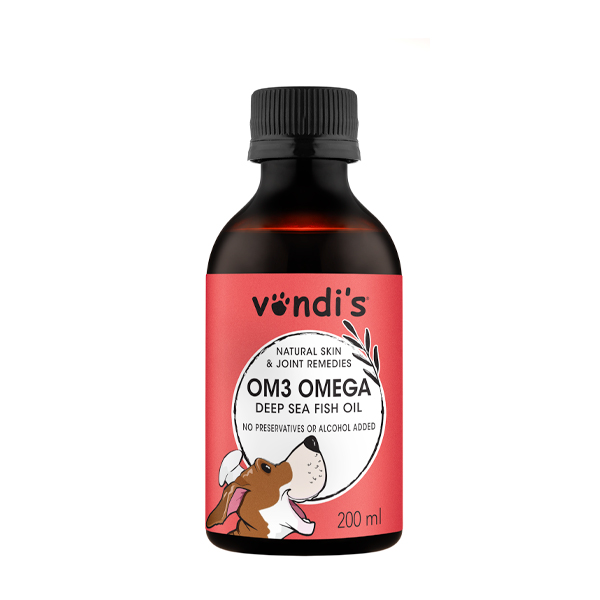
VONDIS OM3 Omega Oil
VONDIS OM3 Omega Oil
A preservative-free fish oil rich in EPA and DHA to complement a complete senior diet. These essential fats support stiff joints and a healthy coat, filling a gap that many standard senior diets leave short.
Common Questions About Senior Dog Nutrition
Owners often ask whether a homemade diet solves these gaps better than a commercial one. Either approach can work, provided you check protein and mineral levels rather than assume them. Good senior dog nutrition also adapts as weight and mobility change, so a yearly review with a vet keeps the plan accurate.
Sources And Further Reading
These pages cover senior dog nutrition research further, and each one opens in a new tab.