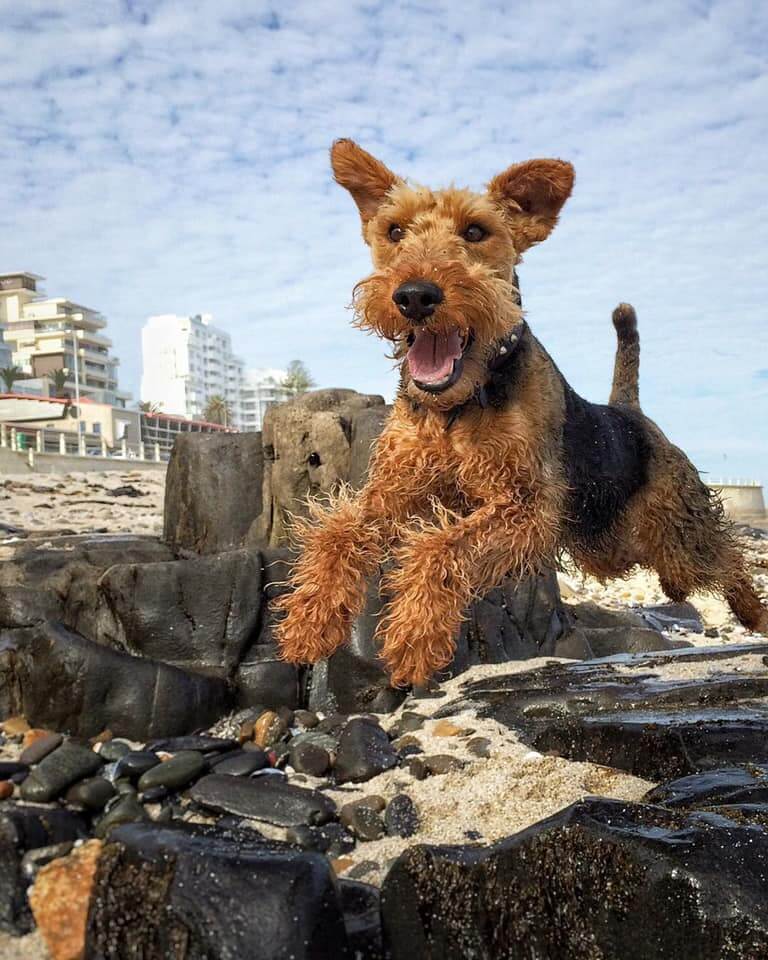

Not all dogs are built to thrive in cold weather. While some breeds have thick coats and naturally resist frigid conditions, others find winter temperatures extremely uncomfortable and dangerous. Understanding which breeds are more vulnerable can help you take extra precautions to keep them warm, healthy, and happy when the temperatures drop.
Smaller body sizes, thinner fur, and lower body fat percentages contribute to poor cold tolerance. Even short exposure to cold weather can lead to hypothermia or frostbite for certain dogs. Recognising these challenges allows pet owners to provide the right care and make informed decisions about outdoor activity, grooming, and protective gear.
Let’s look at some dog breeds least suited to cold climates and what you can do to support their health during winter. We have consulted our expert source, “The Complete Dog Breed Book: Choose the Perfect Dog for You,” from Dorling Kindersley Limited to offer you the best possible information.
1. Chihuahua
Chihuahuas are tiny dogs with very thin coats and a low percentage of body fat. These factors make it extremely difficult for this dog to maintain body heat in colder weather. Even a mild chill can cause them to shiver or become lethargic.
To protect a Chihuahua during the winter, limit outdoor exposure, dress them in warm clothing, and provide cosy indoor spaces with soft blankets and heating pads. Regular play indoors can help maintain their physical health without the risks of cold-weather walks.
2. Greyhound
Despite their size, Greyhounds have very short fur and minimal body fat, which makes them prone to the cold. Originally bred for sprinting in warmer climates, they aren’t equipped for extended exposure to low temperatures.
During the winter, they benefit from warm dog jackets, indoor exercise routines, and shorter outdoor excursions. Always watch for signs of discomfort, like shivering or lifting paws off the ground, which indicate they are too cold.
3. Chinese Crested
With little to no fur on most of their bodies, Chinese Crested dogs are one of the most cold-sensitive breeds. Their exposed skin leaves them particularly vulnerable to temperature extremes.
Keeping them warm requires consistently wearing sweaters or coats, minimising outdoor time in winter, and ensuring their indoor environment stays well-heated. Extra skin care may also be necessary to prevent dryness or irritation due to fluctuating temperatures.
4. Whippet
Whippets, like Greyhounds, have lean bodies and very short coats. They are fast runners but poor heat retainers. Even a short walk in cold, windy weather can leave a Whippet shivering.
To keep them comfortable, invest in warm outerwear and stick to brief outdoor outings.
Whippets love being curled up in soft bedding, so ensure their indoor spaces are warm and inviting.
5. Yorkshire Terrier
Yorkies have long hair but lack the dense undercoat that insulates other breeds. Their small size and light frame also work against them when retaining warmth.
They thrive best in controlled indoor environments during the colder seasons. If outdoor walks are necessary, layering up with jackets and boots can provide essential protection. Keep grooming frequent but gentle to prevent tangles without removing too much insulating hair.
6. Italian Greyhound
This elegant breed shares many of the same cold-weather issues as its larger Greyhound cousins. Italian Greyhounds have ultra-thin coats and a slender build, making them especially susceptible to mild colds.
Prioritise warmth by dressing them in fleece-lined clothing and providing a consistently warm indoor space. These dogs often prefer indoor potty solutions during winter due to their intense aversion to the cold.
How to Protect Cold-Sensitive Breeds in Winter
- Dress Them in Layers: Jackets, sweaters, and booties can make a huge difference.
- Keep Outdoor Time Short: Limit walks and play sessions outside during very cold days.
- Create Warm Indoor Spaces: Heated dog beds, thermal blankets, and draft-free rooms are ideal.
- Maintain Proper Nutrition: Healthy food supports energy and helps dogs regulate temperature.
- Watch for Warning Signs: Shivering, whining, lethargy, and cold ears or paws are all signs of hypothermia risk.
FAQs About Cold-Weather Risks for Dogs
- What temperature is too cold for small dog breeds?
Most small dogs begin to feel discomfort when temperatures drop below 7°C, and anything near freezing (0°C) can be dangerous without protection.
- Do jackets help dogs stay warm in cold weather?
Yes, especially for short-haired or thin-coated breeds. Well-fitted jackets provide insulation and help retain body heat.
- Can dogs get frostbite?
Yes, especially on extremities like ears, paws, and tails. Frostbite is a serious risk in sub-zero temperatures.
- Should I use heating pads for my dog?
Yes, but only pet-safe heating pads. Always supervise and ensure your dog can move away if it gets too warm.
- Are dog booties necessary in winter?
For cold-sensitive breeds, yes. Booties protect from ice, snow, and salt on pavements, which can irritate paws.
- Can I still walk my dog in winter?
Yes, but shorten the walks and go during the warmest part of the day. Always monitor your dog for signs of discomfort.
- Do certain breeds prefer staying indoors in winter?
Absolutely. Breeds like Chihuahuas, Chinese Cresteds, and Italian Greyhounds often resist going outside when it’s cold.
- How can I tell if my dog is too cold?
Look for signs like shivering, whining, anxiety, cold ears or paws, and reluctance to move.
- Should I increase food portions in winter?
Some dogs may benefit from slightly more food to support energy levels but consult your vet first.
- Are there cold-weather supplements or products that help?
Yes. Products like
Vondi’s Collagen with MSM & Glucosamine and Vondi’s Spirulina Sprinkle with immune boosting action can help dogs stay healthy in winter, especially with a proper diet and warmth.
Conclusion
Cold weather poses real challenges for many dog breeds, especially those with low body fat, short coats, or small frames. Understanding your dog’s breed-specific needs allows you to take the right steps to keep them safe and comfortable when temperatures fall.
From protective clothing to warm indoor environments, extra care during the colder months goes a long way in keeping your canine companion healthy and happy.