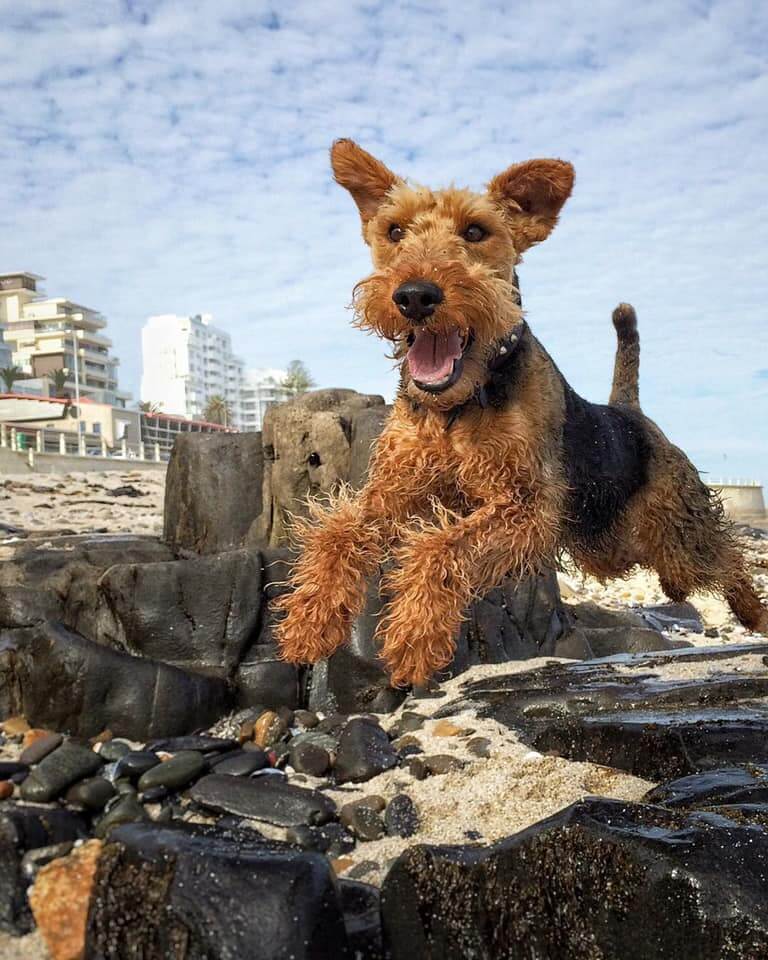

As mental health awareness grows in South Africa, pet owners increasingly recognise the profound link between their emotional state and their dog’s well-being. Dogs, being highly attuned to human emotions, often mirror their owner’s anxiety, leading to behavioural changes, stress, and even physical health issues.
In a country where daily challenges—from load shedding to economic pressures—can heighten human stress, understanding this dynamic is critical to safeguarding your mental health and your dog’s happiness.
South Africa’s diverse lifestyles amplify this connection. High-strung urban environments in Johannesburg or Durban can trigger chronic anxiety in owners, which dogs absorb through subtle cues like tense body language or disrupted routines.
Meanwhile, rural settings, where dogs often work alongside farmers, may see stress transmitted through hurried or inconsistent handling. By addressing your anxiety, you not only improve your quality of life but also create a calmer, healthier environment for your dog.
10 Ways Your Anxiety Affects Your Dog (and How to Mitigate It)
Dogs Mirror Your Emotional State
Dogs read human body language and tone instinctively. If you’re tense or agitated, your dog may become hypervigilant or withdrawn. Solution: Practice grounding techniques like deep breathing before interacting with your pet.
Stress Disrupts Routines
Anxiety often leads to irregular feeding, walking, or playtimes, confusing your dog. Solution: Stick to a consistent schedule. Use reminders or apps to maintain structure.
Anxiety Fuels Overprotectiveness
Nervous owners may unintentionally reinforce fear-based behaviours (e.g., barking at strangers). Solution: Reward calm behaviour with treats or praise, not reassurance, during anxious moments.
Projected Fears Increase Canine Phobias
If you panic during thunderstorms, your dog may develop a phobia, too. Solution: Stay calm during stressors. Use Vondi’s CBD Oil to ease your dog’s anxiety without reinforcing your own.
Nervous Energy Affects Training
Impatience or frustration during training can confuse your dog. Solution: Use positive reinforcement methods and short sessions.
Reduced Exercise Worsens Anxiety
Stress often leads to skipped walks, depriving your dog of mental stimulation. Solution: Prioritise daily walks—physical activity reduces anxiety in humans and dogs.
Emotional Withdrawal Creates Loneliness
Anxiety may cause you to withdraw, leaving your dog feeling neglected. Solution: Engage in low-effort bonding, like grooming or gentle massage.
Household Tension Triggers Stress
Arguments or chaotic environments elevate cortisol levels in dogs. Solution: Create a “calm zone” with a bed, toys, and Vondi’s CBD Oil diffused in treats during tense moments.
Unhealthy Coping Habits Harm Pets
Stress-eating or smoking can expose dogs to harmful foods or secondhand smoke. Solution: Replace habits with dog-friendly activities, like puzzle games or obedience training.
Financial Stress Limits Veterinary Care
Avoiding vet visits due to cost concerns risks untreated health issues. Solution: Explore pet insurance or payment plans. Prioritise preventive care with Vondi’s nutrient-rich supplements.
FAQs
Can dogs sense human anxiety?
Yes—they detect changes in scent, voice pitch, and body language linked to stress.
What are signs my anxiety is affecting my dog?
Excessive licking, pacing, destructive chewing, or avoidance behaviours.
How can I calm my dog if I’m feeling anxious?
Use calming aids like Vondi’s CBD Oil for pets while working on your stress management.
Will medication for my anxiety help my dog?
Human medications are unsafe for pets. Instead, focus on holistic solutions like exercise, routine, and vet-approved supplements like CBD oil.
Can anxious owners still train dogs effectively?
Yes, but consider working with a professional trainer to build confidence for both of you.
How do I break the cycle of mutual anxiety?
Remember, it’s possible to break the cycle of mutual anxiety. By practising mindfulness together—such as trying yoga with your dog or spending quiet bonding, time-you can make significant progress.
Conclusion
By addressing your anxiety through structured routines, stress-reduction practices, and natural aids, you improve your well-being and create a harmonious environment where you and your dog can thrive. This mutual benefit should empower and motivate you to take action.
In South Africa’s fast-paced lifestyle, it’s easy to feel overwhelmed by stress’s impact on your pet. However, small changes—like mindful breathing before a walk or prioritising playtime—can significantly reduce this ripple effect. This emphasis on the power of small changes should instil a sense of hope and optimism in pet owners.
Helpful Resources:
South African Depression and Anxiety Group (SADAG): Support for managing anxiety.
Vondi’s Holistic Pet Care: CBD Oil and calming treats for dogs.
Cape Town Animal Behaviourists: Experts in anxiety-driven pet behaviours.
https://www.animalbehaviour.co.za
University of Pretoria Veterinary Science: Research on human-canine emotional bonds.
https://www.up.ac.za/veterinary-science
Paws for Mental Health (Johannesburg): Workshops on anxiety reduction for owners and pets.