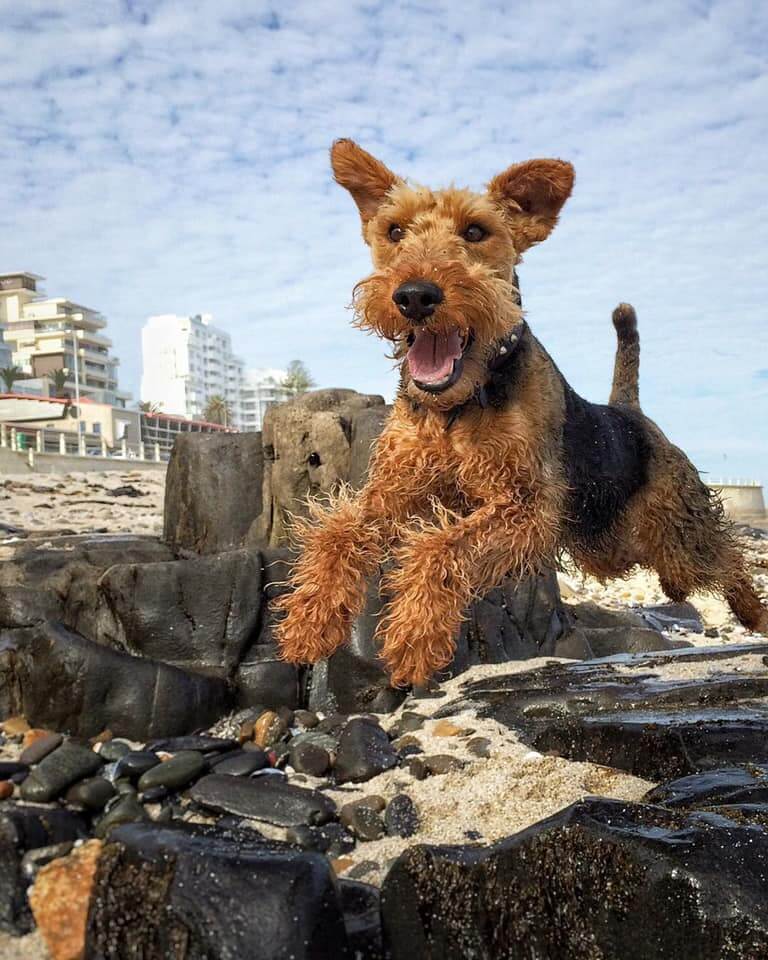

Dogs losing fur in clumps is more than a grooming nuisance—it’s a sign that something deeper may affect their skin or overall health. While seasonal shedding is expected, especially in breeds like Labradors and Huskies, sudden bald patches, thinning coats, or tufts of fur on the floor should never be ignored.
Excessive hair loss can stem from various causes, including allergies, skin infections, stress, parasites, hormonal conditions, or poor nutrition. Understanding what’s normal and not is crucial in helping dogs regain their coat health and comfort. This kind of hair loss often signals an underlying problem that requires attention.
Many cases of fur loss can be managed or reversed with a holistic care approach, proper diet, and natural remedies. From nutritional support to topical solutions, Vondi’s offers trusted, natural products designed to soothe inflamed skin, restore balance, and support full-body wellness in dogs.
We have consulted our expert source to offer you the best possible information, “What’s Wrong with My Dog?” by Jake Tedaldi. You can get it on Google Books.
Shedding vs Sudden Hair Loss
What’s normal, and what’s not?
When dogs shed, it typically occurs in a consistent, predictable pattern. You may find fur on carpets or furniture during changes of season, especially spring and autumn. That is especially true for double-coated breeds like German Shepherds, Huskies, and Malamutes. However, when clumps of fur come away suddenly or leave visible bald patches behind, it often signals a deeper issue.
This type of fur loss is known as alopecia. Localised alopecia may appear as one or two bald spots, while generalised alopecia can result in widespread thinning or complete coat loss. Unlike seasonal shedding, these patterns usually come with other symptoms such as itching, redness, flakes, or bumps.
Common Medical Causes of Clumpy Fur Loss
Allergies, infections, and hormones
Skin infections, hormonal imbalances, and allergies are the three most common medical reasons dogs begin losing fur in patches. Mange—a parasitic skin condition caused by mites—can also cause intense itching, inflammation, and scabby, bald patches.
Fungal infections like ringworm may result in circular areas of hair loss, often with a reddish or scaly appearance. In more advanced cases, dogs may scratch, lick, or chew at the site, worsening the damage. Hormonal conditions such as hypothyroidism and Cushing’s disease also interfere with hair growth and quality, leading to generalised thinning or symmetrical bald spots along the flanks.
Allergic reactions—from ingredients in food or environmental allergens like grass, dust mites, or mould—can cause dermatitis. In breeds like West Highland White Terriers, French Bulldogs, and Golden Retrievers, chronic allergies are among the most common causes of recurring fur loss.
Stress and Overgrooming as Triggers
Psychogenic alopecia and anxiety-driven behaviour
In response, dogs experiencing anxiety or stress may lick, scratch, or chew excessively. This is called psychogenic alopecia—a behaviourally driven condition in which the dog causes its fur loss. Stress-induced fur loss is often seen in rescue dogs, dogs that have recently changed environments, or breeds that are sensitive to overstimulation.
Common stress triggers include loud noises, separation anxiety, poor socialisation, boredom, or frustration. When overgrooming becomes habitual, the skin may become inflamed or infected, creating a cycle of discomfort and further hair loss.
Supporting their mental health with enrichment activities, calming routines, and natural remedies can be key to recovery. Vondi’s CBD Oil for Dogs is often used to help manage anxiety symptoms naturally, with formulations crafted specifically for canine nervous systems.
Nutrition and the Skin-Fur Connection
Internal deficiencies that show up externally
Hair loss often reflects internal imbalances, especially nutritional deficiencies. Dogs require certain amino acids, vitamins, and fatty acids to grow strong, healthy coats. Inadequate levels of biotin, omega-3s, or zinc can weaken hair follicles and lead to dry, brittle fur or shedding in clumps.
Dogs on ultra-processed diets may not receive bioavailable nutrients in the amounts needed to support their skin health. Those sensitivities to common proteins or additives may also lead to inflammation, leading to itching and fur loss. Switching to a more digestible, balanced meal plan can make a significant difference.
Vondi’s offers freshly prepared frozen meals using real ingredients and no synthetic preservatives—ideal for supporting dogs with sensitive skin or nutritional imbalances. Their range includes protein-rich options and gentle, grain-free meals for sensitised dogs. For additional support, Vondi’s Healing Rooibos & Chamomile Anti-Itch Biscuit can help soothe internal inflammation and promote calm skin from the inside out.
Hydration, Bathing, and Coat Recovery
Skin support inside and out
Poor skin hydration can contribute to dry, itchy skin and, eventually, fur loss. Dogs require both internal and external hydration to maintain healthy skin. Freshwater, moisture-rich meals, and bone broths all support the skin barrier. Dehydrated skin is more prone to cracking, itching, and flaking, especially in winter or during indoor heating seasons.
Externally, harsh shampoos or overly frequent bathing can strip natural oils from the skin. That leaves it vulnerable to irritation. It’s essential to use a gentle, canine-formulated cleanser that supports the skin microbiome. Vondi’s Gentle Khakibos Shampoo is made from natural oils that repel insects and soothe skin without drying it out—perfect for dogs with sensitive skin or recovering from fur loss.
Adding omega-rich oils, like hemp or flaxseed, to the diet may also help strengthen the skin barrier. These small adjustments can make a noticeable difference in how quickly a dog’s coat returns to full health.
FAQs
What causes dogs to lose fur in clumps?
Allergies, parasites, stress, infections, poor nutrition, or hormone issues like hypothyroidism or Cushing’s disease.
Should I worry if my dog sheds a lot?
Not always—seasonal shedding is normal. But sudden, uneven shedding or bald spots should be evaluated by a vet.
Can stress make dogs lose fur?
Yes. Dogs can overgroom when anxious, leading to bald spots or irritated skin. Natural remedies like Vondi’s CBD can help.
Which breeds are most affected by fur loss?
Bulldogs, Retrievers, Terriers, and Poodles are especially prone due to their skin sensitivity or coat types.
Can food allergies cause the fur to fall out?
Inflammatory reactions to food can lead to scratching and fur loss. Elimination diets are key to diagnosing this.
Do parasites always cause itching?
Most do—fleas, mites, and ticks often trigger intense scratching and secondary infections that result in hair loss.
Is it safe to bathe a dog with patchy fur?
Yes, if using gentle, natural shampoos like Vondi’s Khakibos blend. Avoid overbathing and harsh detergents.
Will fur grow back after treatment?
In most cases, yes. Once the underlying cause is resolved and the skin heals, fur can regrow within weeks or months.
Are there supplements for hair regrowth?
Yes—biotin, zinc, and omega oils help, but they should be dog-safe and part of a vet-approved care plan.
When should I change my dog’s food?
It may be time if skin, stool, or coat health is poor. A whole diet like Vondi’s frozen meals is an excellent starting point.
Conclusion
Seeing your dog lose fur in clumps can be alarming, but it’s also an invitation to explore what their body is trying to communicate. Whether due to allergies, parasites, anxiety, or nutrition, many causes are treatable—especially with early action.
The key is holistic care. Balanced meals, calming support, and gentle skincare are powerful tools. With time, patience, and natural solutions like those from Vondi’s, your dog’s coat can return to full strength, healthy, soft, and beautiful once more.