
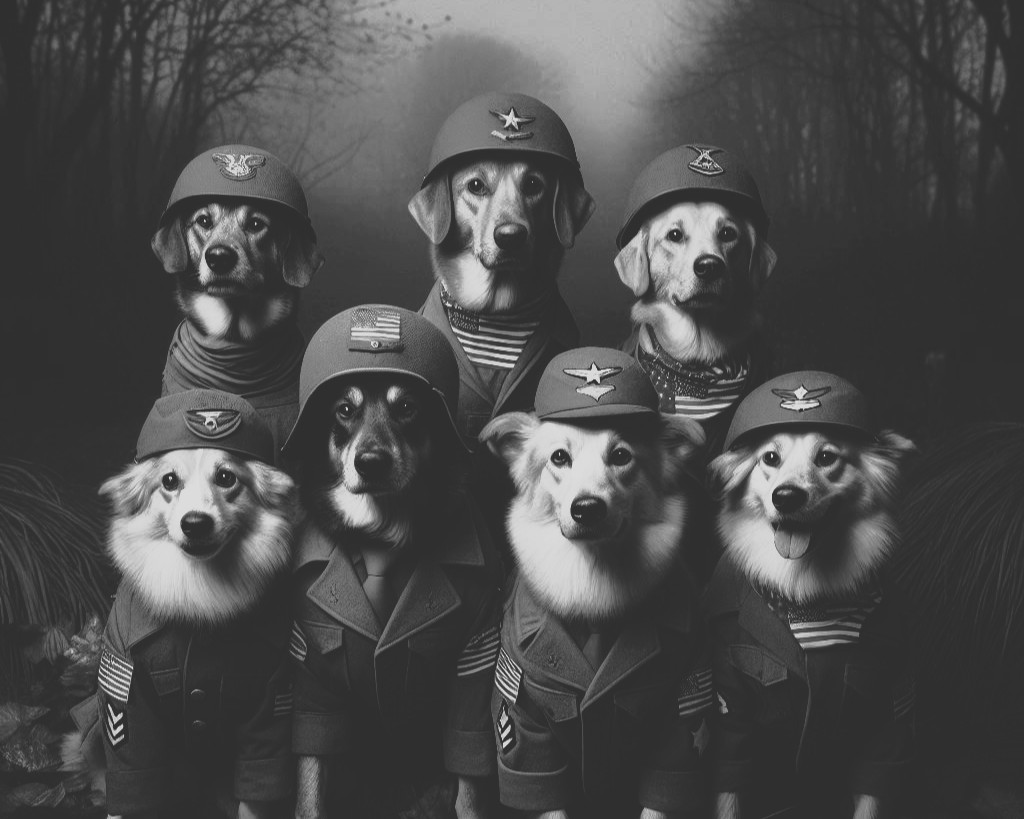
Understanding what dogs eat and their dietary history is crucial for modern pet owners. The food in their bowls today is a product of major historical shifts. Understanding these changes helps us make better choices for their health. It allows us to meet their nutritional needs more effectively. Before the mid-20th century, a dog’s diet was very different. The Second World War created a profound and lasting change. Vondi’s believes in feeding real, whole foods. Appreciating this history reinforces our commitment to that philosophy. It also helps explain the rise of processed foods.
We’ll examine the history of canine nutrition. We will explore the pre-war diet of dogs. The text explains how wartime rationing led to the creation of a new industry. We will also discuss the post-war rise of commercial kibble. We aim to answer the core question of what dogs should eat. Our goal is to empower you with historical and nutritional knowledge.
Drawing from Historical Context
To offer you the best possible information, we have consulted historical records. We also looked at modern nutritional science. Sources on wartime economics show the pressures of the era. They explain the scarcity of key resources, such as tin and meat. Post-war marketing archives reveal the push towards convenience. Nutritional studies provide insight into the effects of processed diets. Understanding this full context is essential for responsible pet ownership.
What Dogs Ate: The Pre-War Canine Diet
Before World War II, most dogs ate a diet of real foods. They consumed table scraps from family meals. Many were fed butchers’ off-cuts and raw meat. While based on whole ingredients, these diets were not always nutritionally balanced and could lead to deficiencies or excess fat. However, the concept of what dogs eat today—highly processed, dry pellets—was uncommon. The pre-war reliance on varied, real-food sources mirrors the philosophy that Vondi’s advocates for today, albeit with a modern, scientific approach to ensure complete nutrition.
The War’s Impact: Rationing and Resource Scarcity
The outbreak of World War II changed everything. Governments implemented strict rationing to support the war effort. Metal was a critical war material. Tin, used for canning, became unavailable for non-essential goods, such as pet food. Meat was also heavily rationed. It was needed to feed soldiers and civilian populations. Suddenly, the primary ingredients for canned dog food vanished from the market. Pet owners faced a significant challenge in feeding their animals.
The Rise of Kibble: A New Answer for What Dogs Eat
Faced with resource scarcity, companies heavily promoted an existing solution. Dry, baked pet foods, like kibble, had been available since the 19th century. The war, however, made them a necessity. Their production relied on grains and cereal by-products, which were already common fillers but became primary ingredients due to meat scarcity. Kibble was cheap to produce and had a long shelf life. Manufacturers launched powerful marketing campaigns. They promoted this food as a “complete” and “scientific” diet. Convenience became the primary selling point for busy, post-war families.
The Post-War Legacy: Convenience Over Nutrition?
After the war, the habit of feeding kibble remained. The convenience was undeniable for a new generation of pet owners. The industry grew exponentially. Giant corporations began to dominate the market. For decades, the focus was on shelf stability and cost. The nutritional philosophy of a whole-food diet was largely forgotten, fundamentally changing the common understanding of what dogs eat. A new generation of owners began to question what dogs should eat for optimal health. They noted an increase in the prevalence of chronic diseases in pets. This concern sparked a return-to-nature movement in pet nutrition.
Vision and Local Dog Life
In South Africa, this history has unique local relevance. In many rural areas, dogs traditionally ate scraps from the braai or potjiekos, a diet connected to the family’s meals. However, in urban settings, dogs often consumed unbalanced scraps, similar to their international counterparts. The global shift towards kibble also took root here. Today, South African owners face a clear choice. They can opt for mass-produced processed foods. Alternatively, they can opt for locally produced, whole-food diets, such as Vondi’s. Answering what dogs should eat involves looking beyond mere convenience. It means considering our pets’ ancestral and biological needs.
Returning to Real Food
Here are practical ways to apply this historical understanding:
Read ingredient labels carefully to distinguish between whole foods and fillers.
Gradually introduce fresh, dog-safe vegetables and meats into their diet.
Prioritise foods with high-quality protein sources listed first.
Understand the difference between by-products and whole meat.
Create a meal plan that prioritises nutritional value over convenience.
Ensure a balanced diet rich in natural vitamins and minerals found in whole foods.
At Vondi’s, we strive to offer you a simple, all-in-one approach to your dog’s well-being.
Choosing Quality Ingredients: A Key to What Dogs Eat
When selecting food, consider the lessons from history. Opt for products with recognisable, whole ingredients. Avoid foods with vague terms like “meat derivatives” or excessive grain fillers. Fresh, lean meats, poultry, and fish are excellent foundations. Supplement these with nutrient-rich vegetables, such as carrots, spinach, and sweet potatoes. This approach moves away from the post-war industrial model. It returns to a diet closer to what dogs evolved to eat.
Understanding Food Labels
Your dog’s food label is a direct link to its nutritional content. Learn to decipher it effectively. A guaranteed analysis provides minimum and maximum values for protein, fat, and fibre. The ingredient list is presented in order of weight. The first few ingredients make up the bulk of the food. Look for whole-food ingredients at the top of the list. Be wary of chemical-sounding preservatives or artificial colours. Making informed choices starts with understanding what is truly in the bag.
Creating a Balanced Meal Plan
A balanced diet is more than just a single food source. Consider rotating proteins to provide a wider range of amino acids. Incorporate healthy fats for skin and coat health. Sources like flaxseed or fish oil can be beneficial. While kibble offered convenience, a planned whole-food diet offers superior nutrition. Work with a veterinarian or pet nutritionist to ensure the plan meets all your dog’s needs. A little planning can lead to significant long-term health benefits.
The Vondi’s Approach: Simple, Whole-Food Nutrition
At Vondi’s, we do the work for you. We take the guesswork out of providing a healthy diet by creating nutritionally complete and balanced meals. Our recipes are based on the principles of using high-quality, whole-food ingredients without fillers, derivatives, or artificial preservatives commonly found in processed foods. That ensures your dog receives a simple, healthy, and delicious meal that meets all these criteria every time.
FAQS
Was kibble invented during WWII? No. Dry, biscuit-like dog foods existed decades before the war. However, WWII’s rationing of meat and tin made these grain-based foods the dominant commercial option, dramatically popularising them.
What did dogs eat before commercial dog food? They primarily ate what their human companions ate: table scraps, raw meats, bones, and homemade preparations. These diets were not always nutritionally complete.
Is a raw or whole-food diet safe? When prepared correctly and balanced to meet nutritional standards, it is a very safe and healthy option. It is crucial to follow proper handling and formulation guidelines.
Why did people stop feeding dogs real food? The post-war marketing push for convenience was highly effective. Kibble was promoted as modern, scientific, and easier than preparing fresh meals.
Can I mix fresh food with kibble? Yes, many owners do this to boost their dog’s nutrition. It can be a good way to transition to a fresher diet.
Conclusion: Informed Choices About What Dogs Eat
The history of dog food shows a clear divergence. World War II propelled us down a path of industrialisation. Convenience became king. However, that trend is now changing. We now understand canine nutrition more than ever before. Owners are re-evaluating what is best for their pets. The shift back towards real, whole-food diets reflects a deeper understanding of the importance of whole foods. Vondi’s is proud to be at the forefront of this movement. We empower owners to provide their dogs with the species-appropriate, healthy diet they deserve.