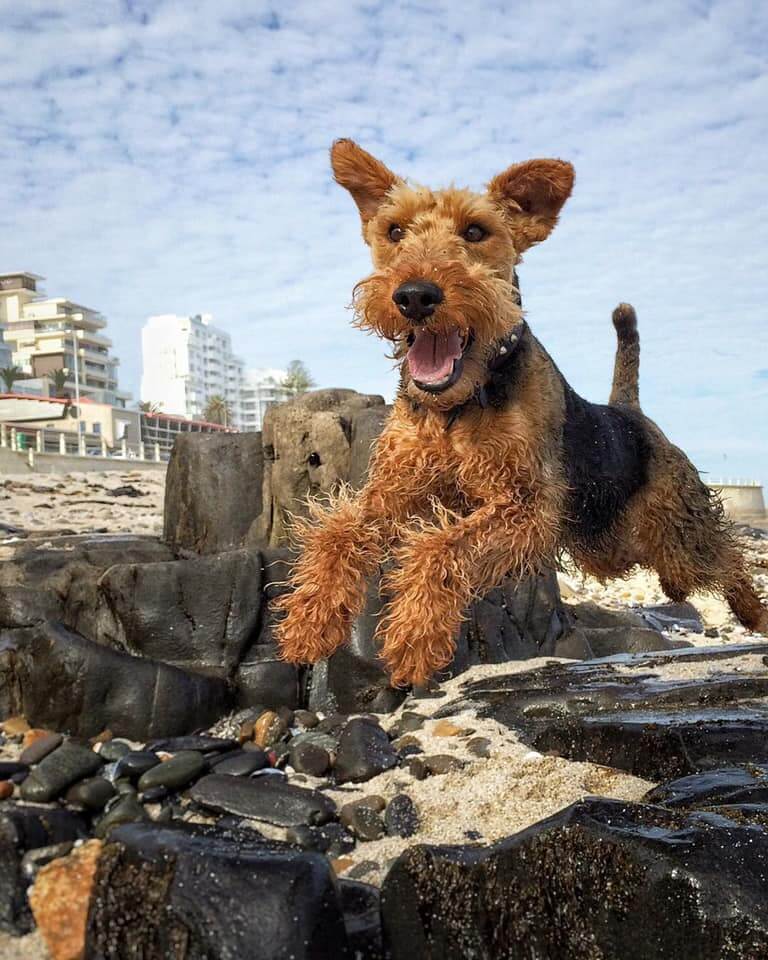

Navigating the intense heat of a South African summer requires a keen awareness of the common summer health issues for dogs. While this season is synonymous with outdoor fun, the high temperatures and strong sun present a unique set of challenges for our canine companions. Owners must be vigilant to ensure their dogs stay safe and comfortable.
Understanding the most prevalent summer hazards for dogs is the first step toward effective prevention. Issues like dehydration, heatstroke, and sunburn are serious and can develop quickly in the sweltering heat. A proactive approach is always better than a reactive one when it comes to your dog’s health.
Implementing a solid plan for South African summer dog care allows you to enjoy the season without worry. By making simple adjustments to your daily routine and recognising the early warning signs of heat-related distress, you can protect your dog. This ensures that summer remains a time for happy memories, not emergency vet visits.
Interesting Fact: Dogs do not sweat through their skin like humans do. They primarily cool themselves down by panting, and through vasodilation in their ears and face. They also have a small number of sweat glands in their paw pads. This limited cooling system makes them much more susceptible to overheating than people.
Summer Health Issues for Dogs: Heat-Related Illnesses
The most immediate dangers during a South-African summer are directly related to the high temperatures. Keeping dogs safe in summer means actively managing their heat exposure.
Heatstroke and Heat Exhaustion
Heatstroke is a life-threatening medical emergency that occurs when a dog’s body temperature rises to a dangerous level. Early signs of heat exhaustion include excessive panting, drooling, and redness of the gums. As it progresses to heatstroke, you may see signs like disorientation, vomiting, diarrhoea, and collapse. Brachycephalic (flat-faced) breeds like Pugs and Bulldogs are at an extremely high risk.
Dehydration
Dehydration can happen quickly on a hot day. Signs include lethargy, sunken eyes, a dry nose and mouth, and loss of skin elasticity. Always ensure your dog has constant access to fresh, cool water. When you are out and about, carry a portable water bowl and offer him frequent drinks.
Sunburn and Paw Pad Burns
Dogs, especially those with short, white fur or pink skin, can get sunburnt. The most vulnerable areas are the nose, ears, and belly. Hot pavement, sand, and tarmac can cause severe burns to a dog’s paw pads. A simple test is to place the back of your hand on the surface for five seconds; if it is too hot for you, it is too hot for your dog.
Tip: Plan your walks for the coolest parts of the day—early morning before 9 AM or late evening after 5 PM. This is one of the most critical aspects of dog safety during summer in South Africa.
Parasites and Skin Problems
Summer is peak season for a host of parasites and skin irritations. These seasonal health tips for dogs can help you manage them.
Fleas, Ticks, and Mosquitoes
The warm, humid weather provides the perfect environment for external parasites to thrive. Fleas can cause intense itching and lead to flea allergy dermatitis, while ticks can transmit dangerous diseases like biliary (tick bite fever). Mosquitoes can transmit heartworm. A consistent, vet-approved parasite prevention plan is essential.
Hot Spots (Acute Moist Dermatitis)
Hot spots are painful, inflamed, and infected areas of skin that can appear suddenly and spread rapidly. They are often triggered by an underlying irritant like a flea bite, an allergy, or moisture trapped in a thick coat after swimming. Keeping your dog well-groomed and dry is a key preventative measure.
Environmental and Activity-Related Hazards
Summer fun brings its own set of potential dangers. Being aware of these summer hazards for dogs is crucial.
Water Intoxication and Dangers
While swimming is excellent exercise, it is not without risks. Water intoxication, though rare, can occur if a dog ingests too much water while playing fetch in a pool or dam. This can lead to a dangerous drop in sodium levels. Never leave a dog unsupervised near water, and be mindful of strong currents at the beach.
Keeping Dogs Safe in Summer: Braai and Picnic Dangers
Summer social events like braais can be hazardous. Cooked bones can splinter and cause internal damage, while fatty foods can trigger pancreatitis. Many common human foods, like onions, grapes, and anything containing the artificial sweetener xylitol, are toxic to dogs. Ensure your dog cannot access discarded food or overflowing bins.
Grass Seeds and Foxtails
During summer, many types of grasses produce sharp, barbed seeds. These seeds can easily get trapped in a dog’s fur and burrow into his skin, paws, ears, and even eyes, causing pain and serious infections. Check your dog’s coat and paws thoroughly after every walk in grassy areas.
FAQs – Summer Health Issues for Dogs
What should I do if I think my dog has heatstroke? Move him to a cool, shaded area immediately. Wet him with cool (not ice-cold) water, focusing on his paws, groin, and neck. Place him in front of a fan. Call your vet immediately for further instructions; this is a medical emergency.
How can I protect my dog’s paws from hot pavement? Walk on grass wherever possible. You can also use protective dog booties or apply a paw balm to create a barrier. The best solution is to avoid walking on hot surfaces altogether.
Is it okay to shave my double-coated dog in summer? Generally, no. The double coat of breeds like Huskies and German Shepherds acts as insulation, protecting them from both heat and sun. Shaving it can interfere with their natural ability to regulate temperature and increase the risk of sunburn.
My dog got a hot spot. How should I treat it? It is best to consult a vet. Treatment typically involves clipping the fur around the area to let it breathe, cleaning it with an antiseptic solution, and applying a topical medication. Your dog may also need antibiotics or an Elizabethan collar to prevent licking.
What are the signs of biliary (tick bite fever) in dogs? Common signs include lethargy, loss of appetite, pale gums, fever, and dark or reddish-coloured urine. If you see any of these signs, especially after finding a tick on your dog, seek veterinary care immediately.
Can I use human insect repellent on my dog? No. Human insect repellents, especially those containing DEET, are toxic to dogs. Use only products that are specifically formulated and approved for canine use.
Tip: Vondi’s offers a range of natural supplements that can support your dog’s skin and coat health during the challenging summer months. A healthy coat can be a better defence against common irritants.
In Closing
A South African summer is a time for enjoyment, and with the right knowledge, it can be perfectly safe for your dog. By actively managing his exposure to heat, staying vigilant about parasites, and being aware of environmental hazards, you can prevent the most common summer health issues for dogs. Your careful planning and observation are the best gifts you can give your companion, ensuring you both have a fantastic and healthy season together.