
Executive Summary
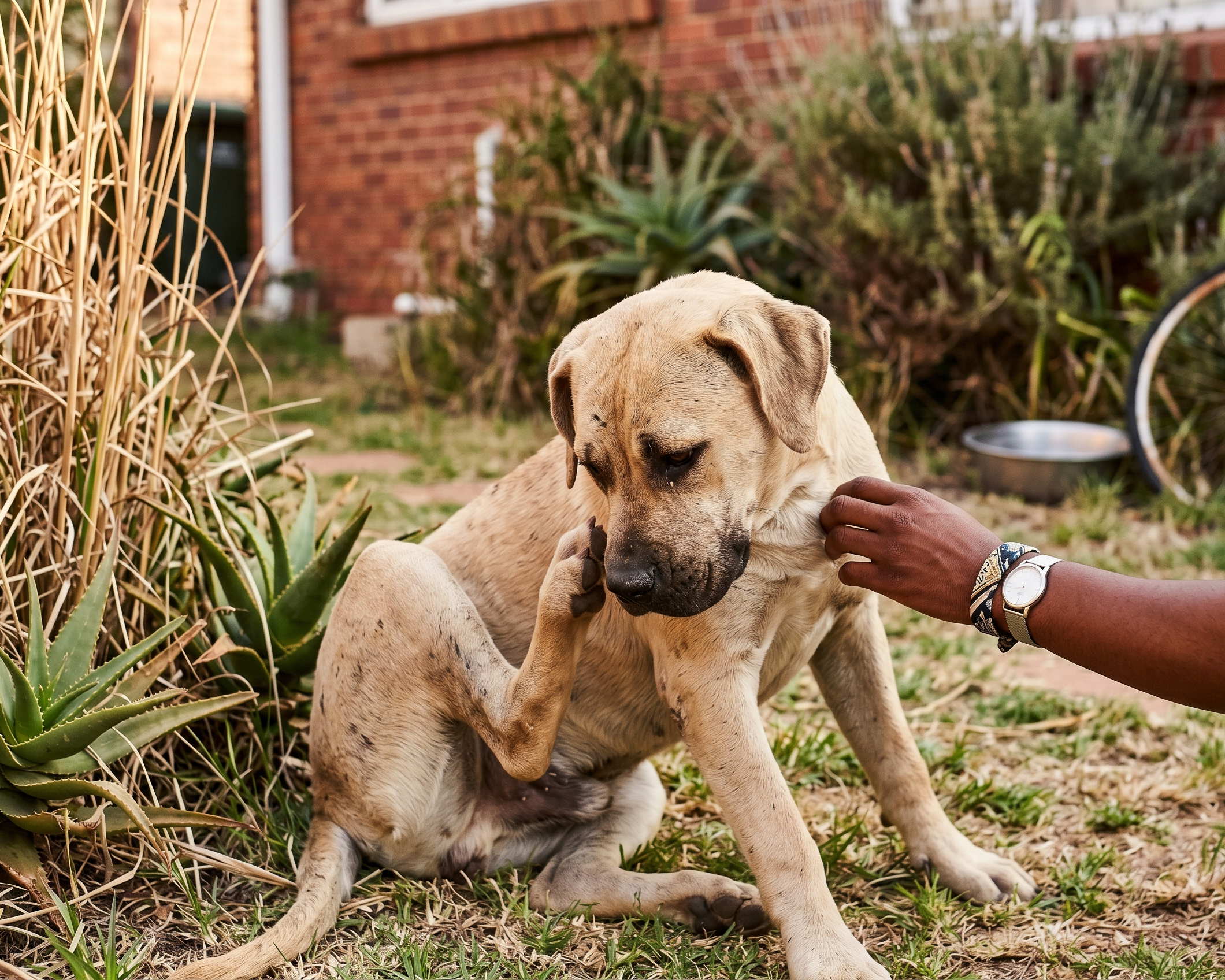
South African dog allergies present a significant challenge due to the country’s diverse climate. Therefore, our pets experience extended allergy seasons compared to colder regions. Consequently, many owners mistakenly blame food for severe skin irritation. However, environmental triggers actually cause most allergic skin conditions. Ultimately, successful management requires combining accurate testing with targeted medical treatments.
Understanding South African Dog Allergies
South African dog allergies affect countless pets across our uniquely diverse landscapes. Often, people assume that diet causes their dog to scratch continuously. Yet, food reactions account for a very small percentage of skin problems. Instead, environmental elements drive the vast majority of these uncomfortable skin diseases. A dog with inherited allergies possesses a genetic tendency to overreact. Specifically, their immune system responds aggressively to normal indoor and outdoor particles.
How Canine Environmental Allergies Develop
A healthy skin barrier acts like a sturdy brick wall. It effectively keeps microscopic irritants out while holding moisture inside. Normally, essential oils hold the skin cells together tightly. Unfortunately, allergic dogs naturally lack these vital skin oils. Therefore, their skin barrier becomes highly porous and dry. Consequently, tiny particles easily pass through the broken skin surface. Without treatment, South African dog allergies worsen over time. Afterwards, the immune system detects these foreign particles. Immediately, the body triggers a severe inflammatory response. Specifically, the system releases chemicals that signal an overwhelming sensation of itchiness. The dog then scratches constantly to find relief. Naturally, this heavy scratching damages the fragile skin further. Soon, normal skin bacteria multiply rapidly in these damaged areas. Subsequently, these secondary infections cause even more discomfort and a strong odour.
Common Triggers For Atopic Dermatitis In Dogs
Many factors influence South African dog allergies. Different regions feature entirely different airborne threats. Our warm climate ensures an extremely long allergy season. Often, this season lasts for up to nine months of the year. Specifically, the Western Cape experiences heavy tree pollen during spring. Conversely, the Highveld sees massive grass pollen spikes in midsummer. Therefore, understanding your local climate remains crucial. This knowledge helps owners anticipate seasonal allergic reactions effectively.
Grass And Tree Pollen Exposure
Grass pollen acts as the leading cause of windborne allergies locally. Microscopic grass pollen travels vast distances on the wind. Kikuyu grass grows commonly in our suburban lawns. Therefore, dogs suffer massive exposure during regular outdoor activities. Additionally, introduced tree species release huge amounts of lightweight pollen. Early city planners planted exotic oaks and plane trees extensively. Unsurprisingly, these exotic trees trigger severe reactions. In contrast, native trees rely on insects for pollination. Thus, native plants rarely cause South African dog allergies.
Indoor Mites And Fungal Spores
Airborne threats also exist inside the home. House dust mites thrive in warm indoor environments. These tiny creatures feed on shed skin scales found in pet bedding. Consequently, mite exposure causes continuous allergic reactions. Meanwhile, fungal spores multiply rapidly in damp areas. Coastal regions support high fungal growth throughout the entire calendar year.
The Allergy Progression Cycle
🛡️
Barrier Breach
Pollen easily slips through dry, unprotected skin layers.
⚠️
Immune Reaction
The body attacks the pollen, causing severe itchiness.
🦠
Secondary Infection
Constant scratching allows yeast and bacteria to multiply.
Diagnosing South African Dog Allergies
Veterinarians use a careful process to identify the exact cause of skin irritation. Initially, they must eliminate common parasites completely. Flea bites frequently complicate existing environmental allergies. Next, the vet might recommend a strict diet trial. During a diet trial, the dog eats a completely new protein source. This strict trial must last for at least eight entire weeks. Crucially, owners cannot feed any treats during this time. If the scratching stops, the vet confirms a food allergy. Otherwise, the diagnosis points directly towards environmental factors. Finally, blood tests help pinpoint the specific environmental triggers. Modern testing technology examines the exact proteins causing the immune reaction. Accordingly, this precise information allows veterinarians to create customised treatments. Every case of South African dog allergies remains completely unique.
Effective Options For Managing Itchy Dog Skin
Owners cannot cure inherited allergic conditions completely. Instead, they must manage the symptoms using multiple combined strategies. Fortunately, veterinary medicine offers many safe options to provide lasting relief. Interestingly, local botanical treatments offer unique benefits for South African dog allergies. For instance, indigenous Rooibos tea provides excellent natural relief. Owners can soak irritated paws in cooled Rooibos tea safely. This local plant contains natural compounds that soothe inflamed skin. Additionally, Rooibos promotes rapid healing without using harsh chemicals.
Soothing Baths And Barrier Repair
Regular bathing physically washes away trapped pollen. Medicated shampoos also treat secondary bacterial infections effectively. Owners must leave these special shampoos on the skin for ten minutes. This waiting period allows the active ingredients to work properly. Afterwards, applying specific leave-on foams helps repair the damaged skin barrier naturally. Additionally, daily essential fatty acid supplements improve the skin’s protective oil layer. Over time, these supplements reduce water loss and block irritants.
Medical Therapies For Atopic Dermatitis In Dogs
Modern targeted therapies stop the itch sensation rapidly. These specific treatments block the chemical signals causing the dog to scratch. Importantly, they achieve this without suppressing the entire immune system. Certain new biological injections neutralize the specific chemicals causing itchiness. These injections provide profound relief for about four weeks. Best of all, they carry no known negative side effects. Alternatively, specific daily tablets block the internal itch signals quickly. However, veterinarians carefully monitor dogs taking these daily tablets. For long-term control, custom allergy drops provide the best solution. This specific treatment slowly teaches the immune system to tolerate the allergens. Typically, this treatment takes up to twelve months to work fully. During this long waiting period, owners must use other anti-itch medications concurrently. Eventually, about half of treated pets experience excellent lasting remission.
Conclusion
Modifying the home environment helps reduce exposure significantly. Replacing allergenic lawn grass with sterile varieties removes a major pollen source. Homeowners can plant sterile dog tuff grass safely. This special grass produces absolutely no allergenic pollen. Similarly, washing bedding frequently destroys indoor dust mites effectively. Wiping the dog’s paws after walks removes trapped pollen. This simple step prevents allergens from entering the home entirely. Managing South African dog allergies requires consistent effort. Ultimately, a combined approach keeps South African dog allergies well controlled. Through careful planning and modern medicine, allergic dogs can live comfortable lives.