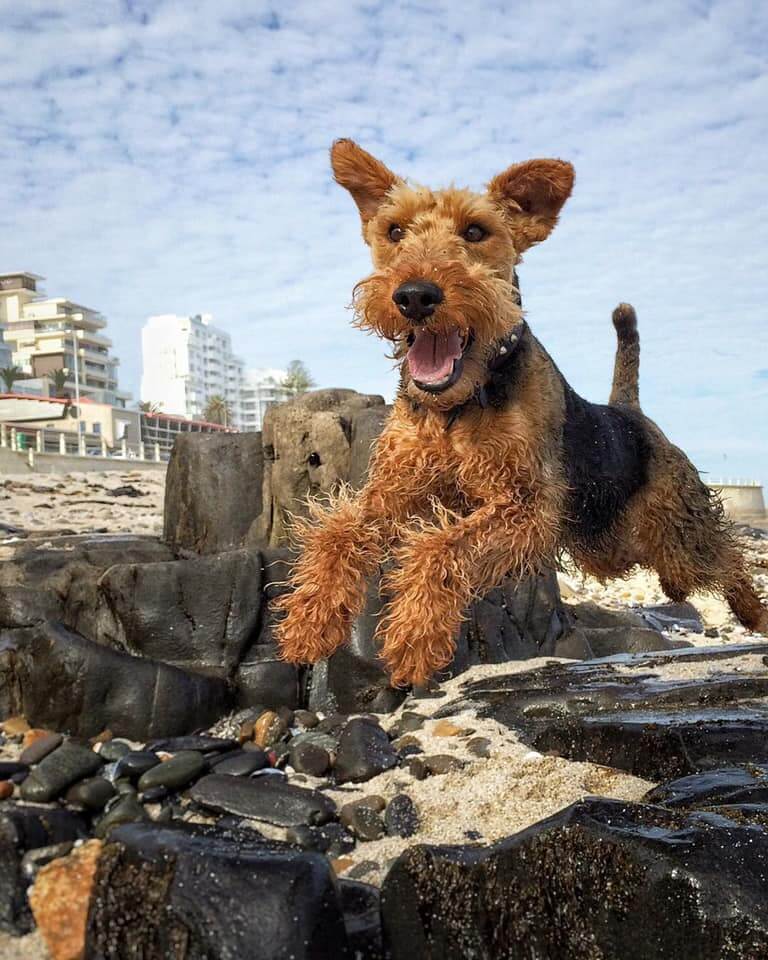

Festive bonding with dogs becomes both a challenge and an opportunity as the holiday season arrives with its familiar chaos. Schedules fracture under the weight of gatherings, shopping trips, and endless preparations. Amid the whirlwind, your dog watches from the periphery. Perhaps you notice the subtle signs of their confusion. Ears flattening when another delivery arrives. Restless pacing as unfamiliar guests fill spaces that once belonged to quiet evenings together. Many pet owners share a quiet guilt during December.
Yet the holiday period offers something precious. Time. Research from veterinary universities and animal cognition laboratories reveals that meaningful connection need not demand elaborate activities. Instead, genuine attachment emerges from understanding the science behind your relationship. The bond between dogs and humans operates through neurobiological pathways remarkably similar to parent-infant attachment. By grasping how these mechanisms work, you can transform holiday chaos into genuine opportunities for connection.
What follows draws upon peer-reviewed studies to guide your approach. From the oxytocin systems governing mutual gaze to the stress synchronisation between dogs and their owners, science illuminates the path forward. Moreover, practical strategies grounded in veterinary behaviour research will help you navigate holiday disruptions whilst strengthening your bond. Your dog deserves more than survival through December. Together, you can make the season meaningful.
The Science Behind the Dog-Human Bond
Something remarkable happens when you gaze into your dog’s eyes. Researchers at Azabu University in Japan discovered that mutual eye contact triggers simultaneous oxytocin release in both species. That finding, published in the journal Science, revealed dogs in the study experienced a 130% rise in oxytocin levels during prolonged gaze with their owners. Even more striking, owners showed a 300% increase. Wolves raised by humans displayed no such response, suggesting the mechanism evolved specifically during domestication.
… Research Highlight
When dogs and owners share prolonged eye contact, oxytocin levels rise 130% in dogs and 300% in humans. Wolves raised by humans show no such response—this bond evolved specifically through domestication.
Physical touch amplifies the effect further. A study in Anthrozoös demonstrated that dogs’ oxytocin levels rose significantly within just three minutes of gentle stroking. Consequently, the pleasant feelings you experience whilst petting your dog reflect genuine hormonal responses in both of you. Additionally, research shows approximately 61% of dogs display secure attachment to their owners. Understanding this science transforms how you approach festive bonding with dogs throughout the holiday period.
Your dog uses you as a secure base for exploration. When you are present, they play more confidently and investigate novel environments with greater enthusiasm. During the festive season, your calm presence becomes especially valuable. Disruptions feel less threatening when their secure base remains steady.
The Oxytocin-Gaze Positive Loop
How eye contact strengthens the dog-human bond
How eye contact strengthens the dog-human bond
👁️
Your Dog Gazes
Soft eye contact initiates the cycle
→
+300%
Your Oxytocin Rises
Bonding hormone floods your system
→
💚
You Gaze Back
Warmth prompts reciprocal attention
↓
+130%
Dog’s Oxytocin Rises
Your dog feels the bond too
→
🔄
Bond Strengthens
Cycle repeats and deepens
→
🐕
More Gazing
The positive loop continues
Key Finding: This mechanism is unique to dogs—wolves raised by humans do not trigger oxytocin release in their caretakers. The bond evolved through thousands of years of domestication.
Your Dog Reads Your Authentic Emotional State
Dogs possess an extraordinary ability to perceive human emotions. Research from the Max Planck Institute revealed that canines respond differently to genuine emotions compared with acted ones. When owners authentically experienced sadness, dogs gazed at them less and jumped less frequently. Furthermore, dogs performed training tasks more effectively when their owners felt genuinely happy. Performed cheerfulness did not produce the same results.
Perhaps most remarkably, dogs can literally smell your stress. A study published in PLOS ONE showed dogs detected stress odours from human sweat and breath with over 90% accuracy. Subsequent research demonstrated that exposure to human stress odours made dogs more pessimistic in cognitive tests. That effect occurred even when the stressed human was a complete stranger. Your emotional state transfers through invisible chemical signals, which directly influences festive bonding with dogs in your household.
… Did You Know?
Dogs can detect human stress through smell with over 90% accuracy. Your dog knows when you are genuinely calm versus when you are performing cheerfulness whilst internally stressed.
Long-term stress synchronisation deepens over time. Researchers analysing hair cortisol found that owner personality traits significantly affected dogs’ chronic stress levels. The implication proves crucial during busy holiday periods. Your dog will perceive whether you are genuinely present or merely going through motions. Authentic calm benefits both of you.
How Holiday Disruptions Affect Your Dog
The festive season brings specific challenges that research helps us understand. Surveys indicate approximately 82% of dogs show visible stress signs when routines change significantly. Holiday noise presents particular difficulties, with studies showing 25-50% of dogs suffer from noise-related fears. Fireworks trigger the most common reactions. Notably, noise fears often worsen with repeated exposure rather than diminishing.
… Important to Remember
82% of dogs show visible stress signs when routines change significantly. The festive season disrupts feeding times, walks, and household activity—all of which affect your dog’s sense of security.
Veterinary behaviourists describe a phenomenon called trigger stacking. Multiple stressors occurring close together push dogs past their coping threshold. During festive gatherings, even positive excitement accumulates. Visitors, treats, play, and novel stimuli all add to arousal levels. Without recovery time between stimulating events, dogs become overwhelmed.
Recovery periods often take longer than owners expect. Cortisol remains elevated in dogs’ systems for extended durations following stressful events. Some dogs require days to return to baseline after intense stimulation. Consequently, a stressful Christmas Eve gathering may affect behaviour well into Boxing Day. Understanding these timescales helps you plan festivities with your dog’s welfare in mind.
Evidence-Based Strategies for Festive Bonding
Routine provides the foundation for holiday welfare. Cornell University’s veterinary behaviour guidance emphasises scheduling meals, walks, and rest times consistently. Predictability signals safety to your dog. When they know what to expect, novelty feels less threatening. Even amid celebrations, maintaining feeding times and exercise schedules anchors their sense of security.
Creating a genuine safe space proves essential before festivities begin. The PDSA recommends establishing a quiet retreat area where your dog can escape and must not be disturbed. A covered crate, quiet room, or familiar bed works well. Importantly, set up the space early so it becomes familiar before disruptions arrive. Dogs who already associate the area with calm will use it more readily when stress rises.
Practising relaxation together offers mutual benefit for festive bonding with dogs seeking comfort. Research on heart rate variability found that when owners remained calm, dogs showed corresponding relaxation. Simply sitting quietly together, genuinely present rather than scrolling your phone whilst internally stressed, provides measurable physiological effects. Your calm becomes their calm through the co-regulation mechanisms underlying your bond.
Counterconditioning during challenging moments yields strong results. Studies show pairing mild stressors with treats or play achieves a 70% success rate for fear reduction. That figure far exceeds alternative approaches such as pheromone diffusers or herbal products. When the doorbell rings with visitors, scatter some treats. Over time, previously stressful triggers begin predicting good things.
… What Works Best
Counterconditioning (pairing stressors with treats) achieves a 70% success rate for fear reduction. Pheromone diffusers achieve only 28%, and herbal products around 35%. Simple positive associations work.
Why Interactive Activities Strengthen Bonds
Not all enrichment creates equal connection. A pilot study comparing enrichment types found that animate enrichment, involving humans or other dogs, showed greater welfare benefits than inanimate options alone. Tug play with handlers and bonding sessions produced significant positive effects. By contrast, food-based enrichment such as puzzle toys showed the least behaviour change. Interactive play triggers oxytocin, creates shared positive experiences, and establishes cooperative communication patterns.
Sniff walks offer powerful, accessible opportunities for festive bonding with dogs during the holiday season. Research found dogs practising nosework became more optimistic in cognitive tests. Crucially, a control group doing structured heelwork showed no improvement. That difference highlights the importance of choice and agency. Instead of feeling guilty about shorter walks during busy periods, focus on quality. Even brief explorations where your dog leads provide genuine welfare benefits.
Recognising When Your Dog Needs Space
Understanding body language allows you to respond appropriately. Early stress signals often go unnoticed. Watch for yawning when not tired, lip licking, blinking, and looking away. Whale eye, showing the whites of the eyes, indicates discomfort. Dogs who feel heard at early stages rarely need to escalate.
Signs of genuine contentment look quite different. Neutral ears hanging naturally, relaxed and widely sweeping tail wags, and soft facial expressions indicate positive emotional states. However, a wagging tail alone does not guarantee friendliness. High, rigid tail movements with tight wags signal high arousal rather than happiness. One particularly useful indicator involves food. A dog who refuses normally appealing treats communicates something important about their emotional state.
Reading Your Dog’s Emotional State
Know when they need space versus when they are content
Know when they need space versus when they are content
⚠️ Early Stress Signals
Respond early to prevent escalation
●
Yawning when not tired
A calming signal, not sleepiness
A calming signal, not sleepiness
●
Lip licking
Quick tongue flicks without food present
Quick tongue flicks without food present
●
Whale eye
Whites of eyes visible, head turned away
Whites of eyes visible, head turned away
●
Looking away or blinking
Avoiding direct engagement
Avoiding direct engagement
●
Refusing treats
Too stressed to eat—take this seriously
Too stressed to eat—take this seriously
●
High, rigid tail wag
Arousal, not happiness—tight movements
Arousal, not happiness—tight movements
✓ Signs of Contentment
Your dog feels safe and relaxed
●
Soft, relaxed eyes
No tension, natural expression
No tension, natural expression
●
Neutral ears
Hanging naturally, not pinned back
Hanging naturally, not pinned back
●
Loose, wiggly body
No stiffness or tension
No stiffness or tension
●
Wide, sweeping tail wag
Relaxed, at medium height
Relaxed, at medium height
●
Open, relaxed mouth
Soft “smile” without tension
Soft “smile” without tension
●
Willing engagement
Choosing to approach and interact
Choosing to approach and interact
Remember: Dogs who feel heard at early stress stages rarely need to escalate. Respond to subtle signals before they become obvious distress.
The Comfort of Your Scent
Brain imaging research revealed what happens when dogs encounter their owner’s scent. The caudate nucleus, associated with positive expectations and reward, activated maximally to familiar human smell. That response exceeded reactions to familiar dogs, strange humans, or even the dog’s own scent. Your smell signals safety and reward to your dog’s brain.
Practical applications follow naturally. During busy periods when you cannot be present, leaving a worn shirt or blanket provides measurable comfort. That strategy works not as a gimmick but because your scent genuinely activates their reward and safety systems. Veterinary behaviourists routinely recommend scent items for dogs experiencing separation stress.
Brief Genuine Connection Beats Extended Distraction
Research consistently indicates quality of interaction matters more than quantity. Maintaining predictable short interactions builds more security than sporadic, unpredictable attention. Even brief check-ins with positive outcomes strengthen the bond. Conversely, extended distracted time together may actually increase anxiety.
During festive gatherings, scheduled five-minute one-on-one sessions in a quiet room outperform your dog being present but ignored during lengthy celebrations. Studies show dogs distinguish between attentive and inattentive human partners. They adjust their behaviour accordingly. Your focused presence, however brief, communicates far more than hours of divided attention.
Frequently Asked Questions
Festive bonding with dogs: How long does it take to bond with a dog?
Initial connections can form within days to a few weeks. However, building a deep and trusting bond typically takes several months. Factors influencing the timeline include previous experiences, temperament, and the consistency of positive interactions. Rescue dogs with uncertain histories may need considerably longer. Patience and gentle consistency yield the best results.
What are signs my dog is bonded to me?
Bonded dogs seek you out for help when facing challenges. They use you as a secure base, exploring more confidently in your presence. Other indicators include relaxed body language around you, following you between rooms, and excitement upon your return. Importantly, healthy bonding differs from anxious attachment. A well-bonded dog can tolerate brief separations without distress.
Why does my dog seem stressed during the holidays?
Dogs thrive on predictability, and holidays disrupt established routines. Changes to feeding times, walking schedules, and household activity all contribute. Additionally, unfamiliar decorations, visitors, and noise create sensory challenges. Trigger stacking compounds the effect when multiple stressors occur without recovery time. Your own holiday stress may transfer to your dog through scent and behaviour cues.
How can I help my dog during holiday gatherings?
Establish a quiet retreat space before events begin. Maintain feeding and exercise schedules as consistently as possible. Use counterconditioning by pairing visitor arrivals with treats. Watch for early stress signals and allow your dog to withdraw if needed. Brief, focused bonding sessions away from the activity provide valuable connection.
Making the Season Meaningful
The festive season need not strain your relationship with your dog. Instead, understanding the science of your bond transforms potential challenges into opportunities for deeper connection. Three principles emerge from the research. First, authenticity matters. Your dog perceives genuine emotions through visual, auditory, and olfactory channels. Calm presence provides measurable benefit whilst performed cheerfulness fools no one.
Second, predictability provides security. Maintaining routine elements during disrupted periods helps dogs feel safe. Third, agency supports welfare. Allowing choice about approaching visitors, where to sniff during walks, and when to retreat improves emotional states. Festive bonding with dogs operates through the same neurobiological systems as human attachment relationships. That connection deserves the respect, presence, and authenticity you bring to your most important relationships.