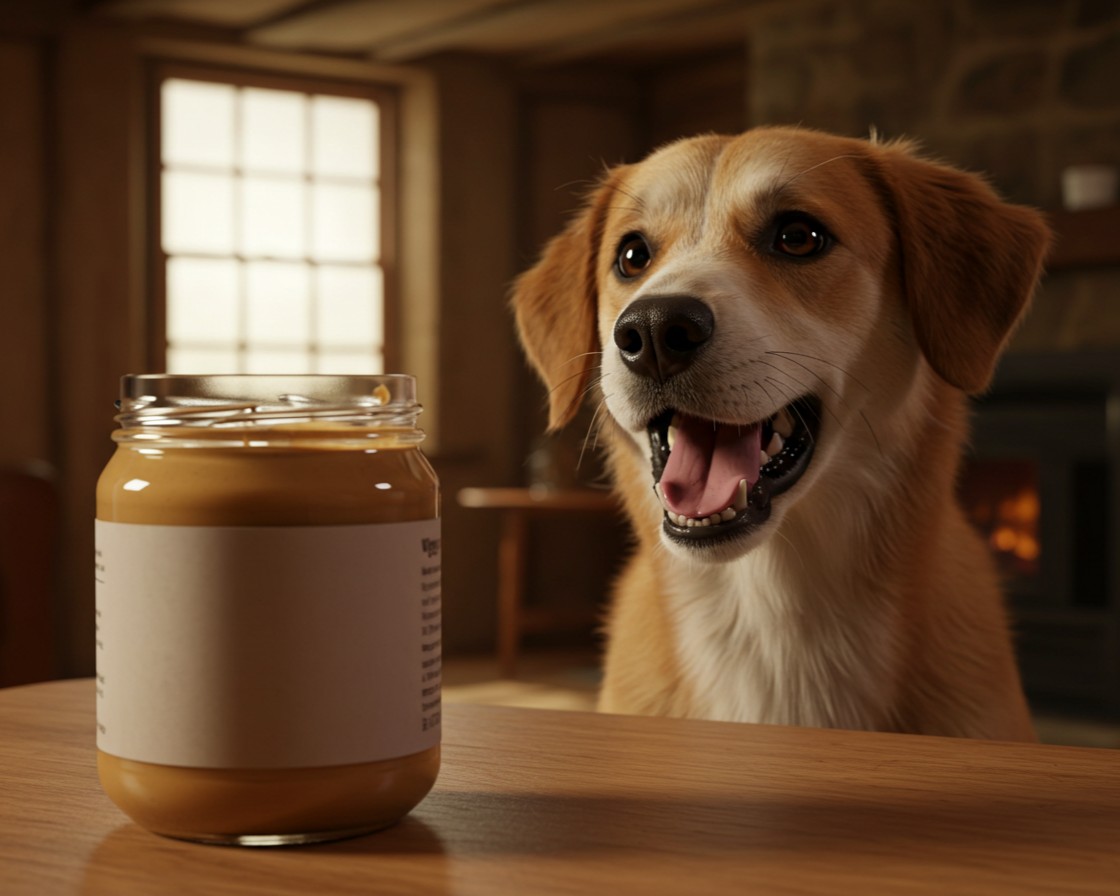
Peanut Butter for dogs requires careful consideration. Many popular human versions contain harmful ingredients. Consequently, their inclusion poses serious health risks. Xylitol is a major concern. This artificial sweetener is highly toxic to dogs. Even tiny amounts can cause severe reactions—Vondi’s champions natural, safe options. Understanding safe choices is vital. This knowledge ensures you protect your pet’s health.
Furthermore, it helps prevent accidental poisoning incidents. Safe treats support a balanced canine diet. Always examine product labels closely. Indeed, your dog’s safety depends on informed decisions. Choose wisely for their well-being.
The content explores the dangers of specific additives. It highlights why xylitol is extremely toxic. We also discuss other ingredients to avoid. Actionable steps for selecting safe peanut butter are provided. Additionally, we offer guidance on appropriate serving sizes. The text answers frequently asked questions. Our goal is to provide clear information. This empowers you to make informed choices. Thus, it helps ensure your dog enjoys treats safely. Their health and happiness remain paramount. Informed decisions protect your valued companion. Trusting reliable sources guides your actions.
To offer you the best possible information, we have consulted our expert source, “Manual of Natural Veterinary Medicine Science and Tradition,” by Susan G. Wynn, Steve Marsden. This respected book covers essential canine dietary principles. We have used its insights regarding safe ingredients. The text stresses avoiding harmful chemicals. Moreover, its focus on natural foods aligns with Vondi’s philosophy. Consulting expert resources ensures accurate guidance. It provides a strong basis for understanding complex topics. We believe knowledgeable owners raise healthier dogs. This book serves as an excellent resource.
The Importance of Safe Peanut Butter for Dogs
Peanut Butter for Dogs and The Danger of Xylitol
Providing Peanut Butter for dogs demands vigilance. Numerous commercial varieties include xylitol. This artificial sweetener is profoundly poisonous to dogs. Ingesting xylitol causes a rapid, dangerous blood sugar drop. Liver failure can also occur. Symptoms appear quickly after consumption. Watch for vomiting, weakness, or stumbling. Seizures and collapse are possible.
Furthermore, some dogs suffer delayed liver damage. Always inspect ingredient lists for xylitol. Avoid any product containing this compound. Choose products made specifically for dogs.
Other Harmful Ingredients
Certain other ingredients also need caution. High sugar content is often found. Excess sugar intake leads to canine obesity. Obesity increases diabetes risk. It worsens joint problems, too. Consider a senior Labrador prone to arthritis; added weight increases joint stress. Palm oil is another common additive. It can cause digestive upset. Consequently, some dogs experience diarrhoea or stomach pain. Stick to natural peanut butters primarily. These typically contain just peanuts. A minimal amount of salt is usually fine.
Understanding Aflatoxins
Aflatoxins present another potential danger. These toxins come from specific moulds. Improper storage allows mould growth. High aflatoxin levels harm a dog’s liver. Long-term exposure increases cancer risk. Responsible pet food makers test for aflatoxins. Selecting quality human-grade or pet-specific peanut butter reduces risk. Store peanut butter correctly. Keep containers sealed tightly. Choose a cool, dry storage location. Discard any product showing any signs of mould.
South African Context
South African dog owners must stay alert. Local brands might contain unexpected sugars. They could potentially include xylitol. Always verify ingredients before offering. Consider your dog’s specific needs. Puppies need calories for growth. However, fatty treats should be limited. Senior dogs benefit from joint support. Obesity hinders mobility greatly. Even tiny amounts harm small breeds. A Dachshund’s metabolism differs significantly. Being informed safeguards their health.
Actionable Advice
- Check ingredient lists carefully for xylitol and other harmful additives.
- Select natural peanut butter with minimal ingredients, ideally only peanuts.
- Offer safe peanut butter in very small quantities as an occasional treat.
Checking Ingredients Meticulously
Examining the ingredient label is non-negotiable. Search specifically for xylitol by name. Be aware it might be listed as “birch sugar”. Read every ingredient listed on the package. If you have any doubts, do not purchase it. Look for products clearly labelled xylitol-free. Many reputable companies now manufacture safe treats specifically for dogs. These are tested for safety. They are guaranteed to be free from harmful substances. This simple check prevents potential poisoning. Your attentiveness protects your loyal companion.
Choosing Natural Peanut Butter for Dogs
Opting for natural peanut butter simplifies things. These versions contain just roasted peanuts. Sometimes a little salt is added for taste. Avoid products loaded with extra sugars, oils, or preservatives. These offer no real benefit to dogs. They can lead to undesirable weight gain. Digestive upset is also possible. Peanut butter, requiring stirring often, has fewer additives. Simplicity is generally best here. Fewer ingredients usually mean a safer choice—Prioritise whole, natural foods. Avoid kibble altogether; its highly processed nature contrasts sharply with natural options.
Practising Strict Moderation
Even safe peanut butter requires portion control. It contains many calories. It is also high in fat content. Giving too much can cause weight gain. It can trigger pancreatitis. Pancreatitis is a serious condition. Breeds like Cocker Spaniels can be prone to this. Treats should comprise a tiny part of a dog’s diet. Use safe peanut butter sparingly. Offer it for training rewards. A small amount in a puzzle toy works well. Discuss appropriate serving sizes with your vet.
FAQS
Is all peanut butter safe for dogs? No—many human varieties contain xylitol, a substance highly toxic to canines.
What ingredient in peanut butter is dangerous for dogs? Xylitol is the primary danger; even small amounts can cause severe hypoglycaemia and liver damage.
Can dogs eat peanut butter with added sugar? Avoid peanut butter with added sugars; excess sugar contributes to canine obesity and increases diabetes risk.
How much peanut butter can I give my dog? Only offer a small amount as an occasional treat; its high-fat content can lead to weight gain or digestive upset.
What should I do if my dog eats peanut butter containing xylitol? Seek immediate emergency veterinary care; xylitol poisoning is life-threatening and requires prompt treatment.
Can puppies safely consume peanut butter? Offer only a tiny amount of xylitol-free peanut butter sparingly; puppies need balanced nutrition for growth.
Are natural peanut butters automatically safe for my dog? Natural versions with only peanuts are generally safe; always confirm the ingredient list to be certain.
Can dogs develop allergies to peanuts? Yes—dogs can have peanut allergies; symptoms include skin irritation, ear infections, or gastrointestinal issues.
Does peanut butter provide significant nutrition? For dogs, it offers some protein and fat in moderation; however, it is not a substitute for a complete, balanced meal.
Are there other safe treat options besides peanut butter? Consider plain cooked meats like Chicken or Ostrich, or certain raw or cooked vegetables as healthy alternatives.
Conclusion: Peanut Butter for dogs
Choosing safe Peanut Butter for dogs is paramount. The presence of xylitol in many human products is dangerous. Xylitol causes severe, rapid health crises; checking labels is non-negotiable. Prioritise natural options with minimal ingredients; simple is always better. Remember, strict moderation is key due to its high fat and calorie content; treats supplement, they do not form the basis. A holistic approach focusing on balanced, species-appropriate nutrition remains vital; Vondi’s offers excellent local proteins like Beef, Chicken, Mutton, and Ostrich for complete meals. Making informed decisions ensures your dog’s health.