Executive Summary
The nutrients for wound healing include specific vitamins and minerals with distinct jobs in the healing process. Zinc and vitamin A do most of the early work, while copper and manganese give the healed tissue its strength. This article covers what each one does and points back to the full profiles this series already covered.
The nutrients for wound healing matter more after an amputation than after most minor surgeries. The wound involved is larger than most surgical wounds. How well it closes affects how soon a dog settles onto three legs. Five nutrients do most of the work, and each one already has a full profile earlier in this series.
Zinc and Wound Healing: Why It Matters Most
Zinc drives two of the busiest jobs in a healing wound. It pushes skin cells to migrate across the wound bed during re-epithelialisation. It also activates the enzymes that remodel the tissue underneath as the wound closes. A shortfall in zinc measurably slows this whole timeline down. Among the nutrients for wound healing covered in this series, zinc has the clearest, most direct mechanism.
A Practical Option
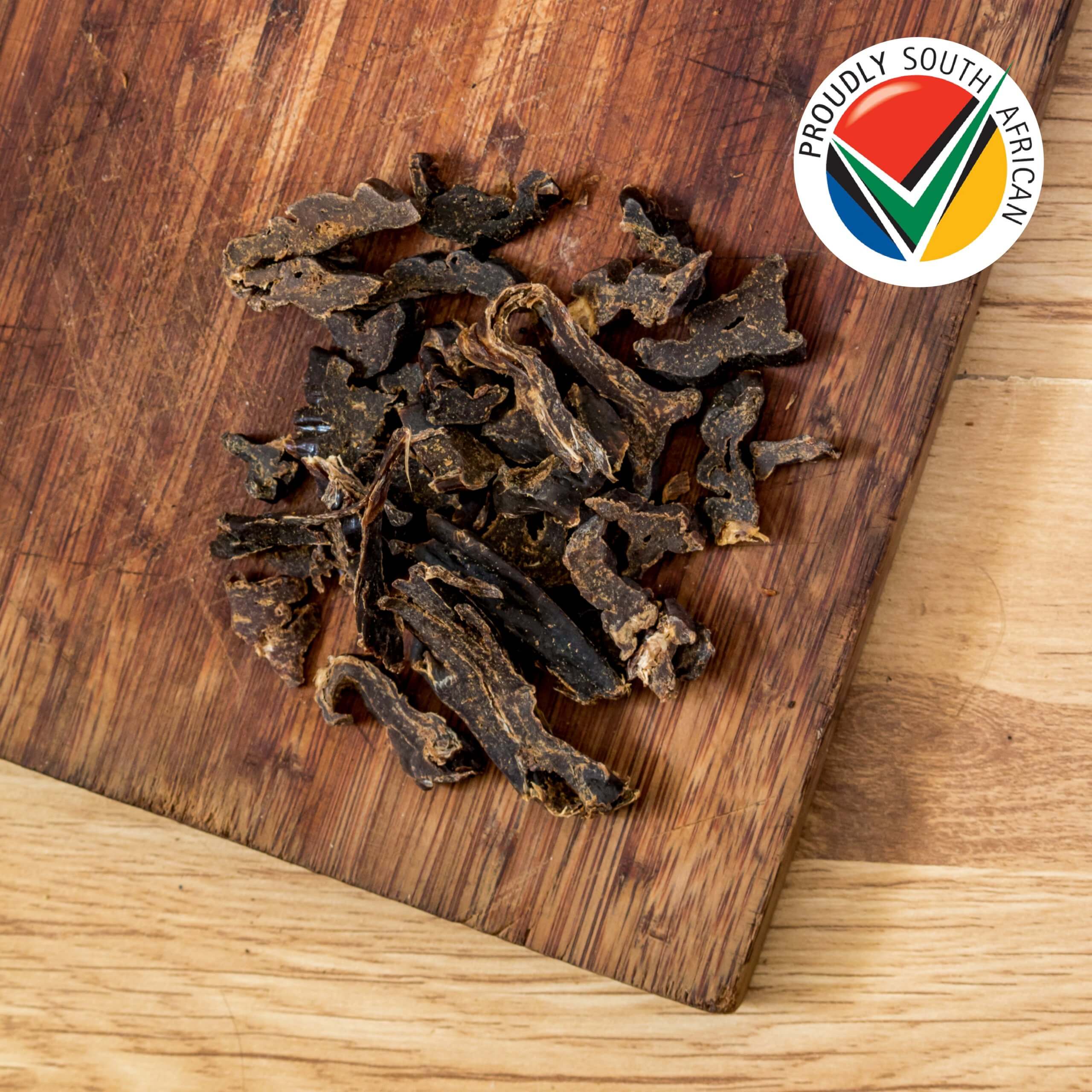
Vondis Beef Liver Bite Size (500g)
Vondis Beef Liver Bite Size (500g)
Pure dried beef liver, cut into bite-sized pieces with nothing added. Liver is one of the most concentrated whole-food sources of zinc and vitamin A, the two nutrients most active in the early stages of wound healing. A few pieces worked into daily feeding is a simple way to add both.
Vitamin A’s Role in Closing the Wound
Vitamin A drives epithelial growth and collagen synthesis, the two processes that physically close a wound. It has one unusual extra property worth knowing. Vitamin A can partly offset the healing delay that steroid medication causes. This matters for any dog on steroids for an unrelated condition during recovery. The toxicity risk with vitamin A sits with raw liver fed in large amounts. The vitamins report earlier in this series already covers this in full.
Copper and Manganese: The Wound Care Nutrition Dogs Need
Copper and manganese work at a different stage to zinc and vitamin A. Both act as cofactors for the lysyl oxidase enzymes that cross-link collagen and elastin fibres. This cross-linking step is what gives healed tissue its lasting strength. Zinc and vitamin A build the material. Copper and manganese are the wound care nutrition dogs need to make that material hold.
Vitamins for Dog Wounds: Why Vitamin C Works Differently
Vitamin C is a genuine cofactor in collagen formation, the same process copper and manganese cross-link afterwards. Unlike the other nutrients for wound healing discussed here, though, dogs make their own vitamin C in the liver. AAFCO and NRC set no dietary requirement for it in dogs at all. That single fact separates vitamin C from zinc, vitamin A, copper and manganese. Diet alone supplies each of those four.
Worth Knowing
These five nutrients already have full AAFCO and NRC figures published in Articles 1 to 10 of this series. This article focuses on the wound-healing mechanism, not on re-deriving numbers already covered.