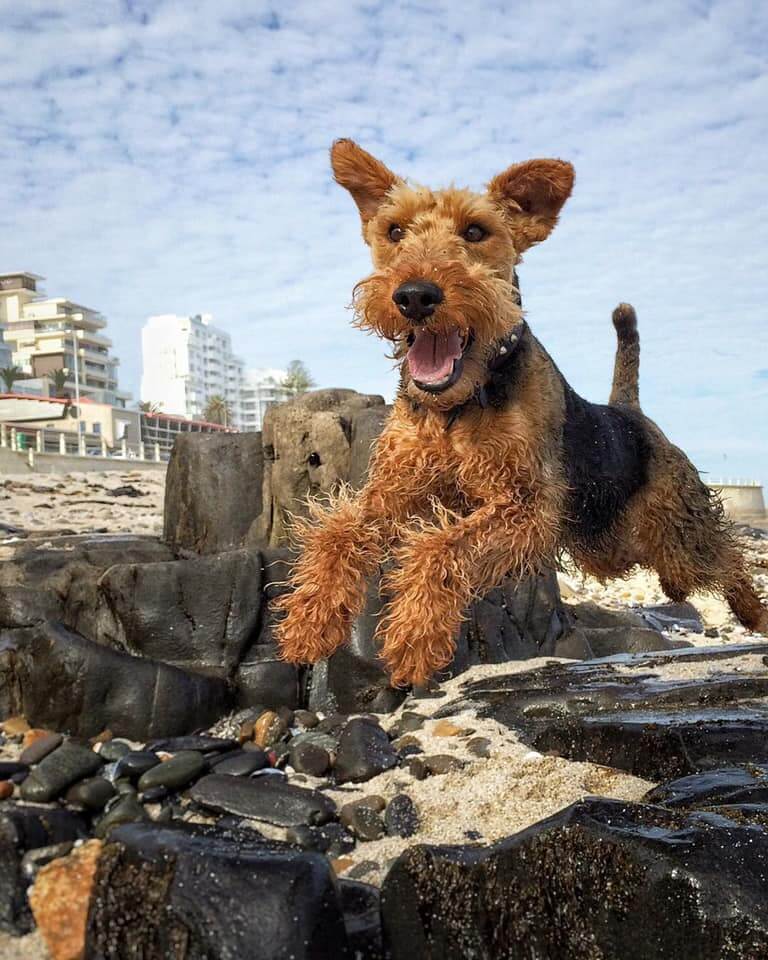

Effectively grooming your dog for health goes far beyond creating a neat appearance; it is a fundamental pillar of his overall wellbeing. Many owners view grooming as an occasional chore or a cosmetic luxury reserved for fluffy breeds. A regular grooming routine, however, is one of the most proactive and hands-on ways to monitor and maintain your dog’s physical condition.
The immense benefits of regular dog grooming extend from his skin and coat to his posture and even his internal health. A simple brushing session can prevent painful matting, while a nail trim can protect his joints from discomfort. It transforms a basic task into a vital health check, strengthening the bond between you and your companion in the process.
This guide offers comprehensive canine grooming tips to help you establish a routine that serves both hygiene and health. By learning what to do and what to look for, you can turn grooming into a powerful tool. You can ensure your dog not only looks his best but feels his best from the inside out.
Interesting Fact: The iconic haircut of a Poodle, often seen as purely stylistic, was originally designed by hunters. The specific patterns improved the dog’s swimming ability in cold water while leaving fur over the joints and vital organs for protection and warmth.
The Foundational Four: Core Grooming Tasks
A complete grooming routine is built on four essential practices. Mastering these will form the bedrock of your dog’s physical maintenance and comfort.
Brushing: The First Line of Defence
Regular brushing is the cornerstone of dog grooming for skin health. The act of brushing removes loose hair, dirt, and dander, preventing the formation of painful mats and tangles. It also helps to distribute the natural oils produced by the skin, which keeps the coat healthy and vibrant. Crucially, it is your first opportunity to feel for any unusual lumps, bumps, or parasites on his body. The right tool is essential; long-haired breeds may need a slicker brush and comb, while short-haired breeds benefit from a rubber curry brush.
Bathing: A Hygienic Reset
Bathing cleanses the skin and coat of accumulated dirt, pollen, and other allergens that can cause irritation. The key is moderation; over-bathing can strip the coat of its essential natural oils. Use a high-quality shampoo formulated specifically for dogs, as human products have the wrong pH balance. Bath time is also an excellent chance for a more thorough skin inspection, allowing you to spot any redness, rashes, or sores that were hidden under the fur.
Nail Trimming: Essential for Posture and Comfort
Overly long nails are a significant but often overlooked welfare issue. They force the dog’s toes into an unnatural position when he stands and walks, which can be painful. Over time, this can lead to skeletal strain and even aggravate arthritis. Learning how to groom a dog at home must include regular nail trims. A rule of thumb is that if you can hear his nails clicking on the floor, they are too long.
Ear Cleaning: Preventing Painful Infections
A dog’s ears, especially in floppy-eared breeds, can be a breeding ground for yeast and bacteria. Regular checks are vital. Healthy inner ears should be pale pink, clean, and have no foul odour. Use a gentle, vet-approved ear cleaning solution and a cotton ball to wipe the accessible parts of the ear. Never insert anything deep into the ear canal, as this can cause serious damage.
Tip: During the hot South African summer, regular brushing is crucial for double-coated breeds like Huskies and German Shepherds. It helps them shed their dense undercoat, which allows for better air circulation against the skin and helps them regulate their body temperature more effectively.
The Grooming Session as a Health Check
Transform your grooming routine from a task into a deliberate, nose-to-tail physical examination. This is one of the most effective ways to catch potential health problems early.
Performing a Nose-to-Tail Body Scan
As you brush or bathe your dog, run your hands slowly and deliberately over his entire body. Pay close attention to the texture of his skin and the feel of the tissues underneath. You are checking dog’s health during grooming for:
New or changing lumps, bumps, or warts.
Ticks, fleas, or other external parasites.
Areas of hair loss, redness, or inflammation.
Scabs, scratches, or sores.
Any signs of pain or sensitivity when you touch a specific area.
Checking Eyes, Nose, and Mouth
Gently examine his face. His eyes should be bright and clear, with no excessive discharge or redness. His nose should be free of crusts or sores. As discussed in our dental health guide, you should also gently lift his lips. Check his gums for a healthy pink colour and his teeth for any obvious signs of tartar buildup, chips, or foul odours.
Inspecting the Paws and Tail
Do not forget his feet. Carefully check between his paw pads for thorns, burrs, cuts, or signs of irritation. Ensure the fur between the pads is not matted, which can be painful. A quick look under his tail can also help you spot any swelling, redness, or issues with his anal glands.
Interesting Fact: A dog’s skin is his largest organ, accounting for up to 15% of his total body weight. Keeping it clean and healthy through regular grooming is crucial for supporting his overall immune defence system against environmental pathogens.
FAQs – Grooming Your Dog for Health
How often should I groom my dog? The frequency depends entirely on his breed, coat type, and lifestyle. Long-haired breeds may need daily brushing, while short-haired dogs might only need it once a week. Nails should typically be trimmed every 3-4 weeks.
What is the best way to deal with matted fur? Never try to cut out a mat with scissors, as it is incredibly easy to cut the skin. For small mats, you may be able to gently tease them apart with your fingers and a comb. For severe matting, it is safest to seek professional help from a groomer.
Can I use human shampoo on my dog? No. Human shampoos are formulated for the pH of human skin, which is much more acidic than a dog’s skin. Using them can strip natural oils, dry out the skin, and cause significant irritation and itchiness.
My dog hates being groomed. What can I do? The key is to build a positive association. Keep sessions very short and happy to begin with. Use high-value treats and praise. Focus on one small area at a time, like brushing one leg, and end on a positive note before he gets stressed. Consistency is crucial.
Do short-haired dogs like Labradors or Bull Terriers need to be brushed? Yes, absolutely. While they do not get mats, regular brushing with a rubber curry brush or grooming mitt removes a surprising amount of dead hair and skin cells. It stimulates blood circulation and helps keep their coat shiny and healthy.
Tip: A dog’s coat is a direct reflection of his internal health. A diet rich in essential fatty acids, like the omega-3 and omega-6 found in Vondi’s food and supplementary oils, provides the nutritional building blocks for strong, resilient skin and a lustrous coat, making your grooming efforts even more effective.
In Closing
Embracing the routine of grooming your dog for health is a profound act of care. It shifts the perception from a simple haircut to a vital, hands-on wellness practice that allows you to be the first line of defence in his healthcare. The regular, gentle handling strengthens your bond, while the consistent health checks provide invaluable peace of mind. A well-groomed dog is not just a clean dog; he is a comfortable, closely monitored, and deeply cherished member of the family.