

A sudden diagnosis of pancreatitis in Miniature Schnauzers can be terrifying, transforming a lively dog into a lethargic patient within hours. You might notice he is vomiting repeatedly or adopting a hunched posture to guard his painful abdomen. Consequently, this condition requires immediate veterinary intervention to stop the internal cascade of inflammation.
The pancreas normally releases digestive enzymes in an inactive state, only activating them once they reach the small intestine. In pancreatitis, these potent enzymes activate prematurely while still inside the organ, effectively causing it to digest itself. Furthermore, this autodigestion causes agonizing pain and can lead to systemic organ failure if left untreated.
While the acute phase is dangerous, the long-term prognosis is generally positive if you adhere to strict lifestyle changes. This breed is genetically prone to the condition, meaning management is a permanent commitment rather than a one-time cure. Therefore, understanding his specific biological needs is the key to preventing future flare-ups.
Tip: If he assumes the “prayer position” with his front legs down and rear end up, take him to the vet immediately; this indicates severe abdominal pain.
The Biological Function: The Dual Role of the Pancreas
To understand the disease, we must appreciate the organ’s complex role in healthy digestion and metabolism. The pancreas is responsible for producing insulin to regulate blood sugar and enzymes to break down fats and proteins. Consequently, it acts as a vital engine for converting food into usable energy.
Under normal conditions, this system works seamlessly to process meals without damaging the surrounding tissue. The organ possesses natural safeguards to prevent the enzymes from attacking the pancreatic wall. However, when these safeguards fail, the resulting inflammation disrupts both digestion and blood sugar regulation.
Causes of Pancreatitis in Miniature Schnauzers
Why is this specific breed so overrepresented in emergency rooms with this condition? It is rarely a random occurrence but rather a collision of genetics and dietary triggers. Therefore, identifying these risks is essential for his safety.
Genetic Predisposition
Miniature Schnauzers are genetically predisposed to a condition called hyperlipidemia, which results in high levels of fat circulating in the blood. This naturally elevated fat content places a constant, low-grade strain on the pancreas even before he eats a meal. Consequently, they have a significantly lower threshold for developing pancreatitis than other breeds.
Environmental and Dietary Factors
The most common trigger for an acute attack is the ingestion of a high-fat meal, such as table scraps or poor-quality treats. Even a single piece of fatty bacon or a raid on the bin can overwhelm his compromised system. Furthermore, certain medications and metabolic disorders like Cushing’s disease can lower the threshold for an attack.
Symptoms of Pancreatitis in Miniature Schnauzers
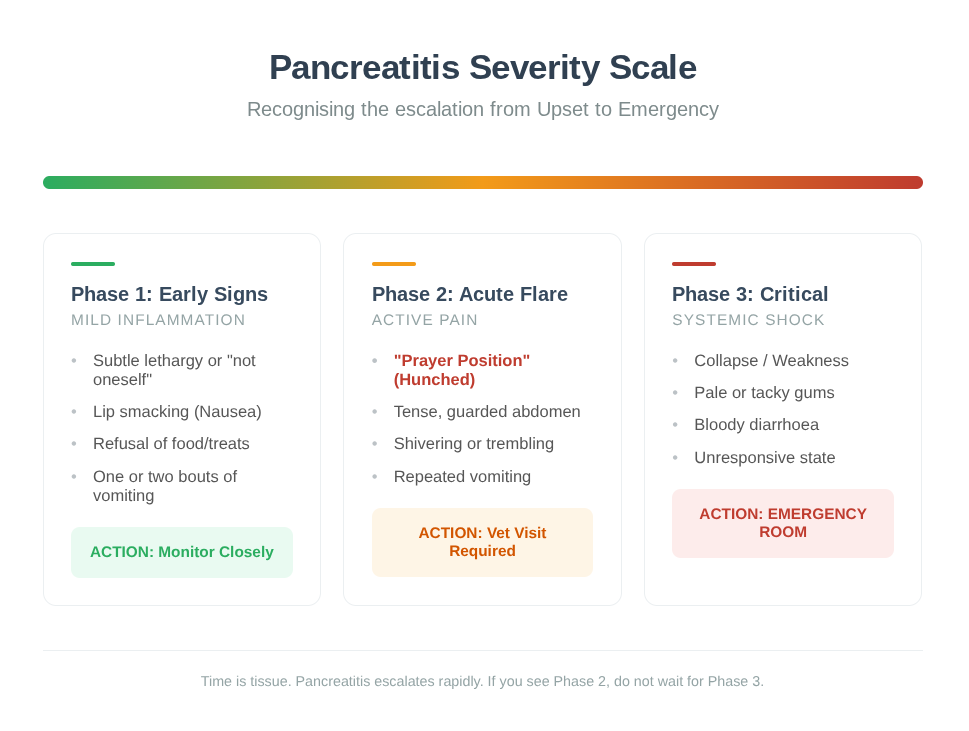
The symptoms can range from mild gastrointestinal upset to life-threatening shock depending on the severity of the inflammation. You must learn to recognise the early warning signs before the condition escalates. Consequently, swift action often dictates the speed of his recovery.
Physical Symptoms
Profuse vomiting and diarrhoea are the most common clinical signs seen in the acute stages. He may develop a fever and exhibit signs of dehydration, such as tacky gums or sunken eyes. Additionally, his abdomen will feel tense and extremely sensitive to even gentle palpation.
Behavioural Changes
Pain drives significant changes in his demeanour, often making him withdrawn or unusually aggressive. He may refuse food entirely, turning his head away from even his favourite treats due to nausea. Moreover, he might become restless, pacing constantly because he cannot find a comfortable position to sleep.
Chronic Indicators
In chronic cases, the symptoms are often subtle and intermittent, making them harder to diagnose. You might notice occasional bouts of sickness or a lack of appetite that seems to come and go. Finally, weight loss and poor coat quality can indicate that his pancreas is struggling to function over the long term.
Diagnosis and Veterinary Procedures
Diagnosing pancreatitis in Miniature Schnauzers typically begins with a specific blood test called the cPLI (Canine Pancreatic Lipase Immunoreactivity). This test is highly sensitive and can distinguish pancreatitis from other common stomach bugs. However, blood work alone gives a snapshot of function, not structure.
To confirm the extent of the inflammation, the vet may recommend an abdominal ultrasound. This imaging allows them to visualise the pancreas directly and check for complications like cysts or abscesses. Furthermore, it helps rule out foreign body obstructions that can mimic the symptoms.
The Role of Diet in Pancreatitis in Miniature Schnauzers
Diet is the single most critical factor in managing this condition and preventing fatal recurrences. Commercial kibbles are often coated in rendered fats to increase palatability, which is dangerous for this breed. Therefore, you must transition him to a strictly low-fat, moisture-rich diet.
A fresh food diet allows you to control the exact fat percentage, ensuring it stays within safe limits for his biology. High-quality, easily digestible proteins put less strain on the digestive system than processed meals. Eliminating inflammatory fillers and starches allows the pancreas to rest and recover.
Treatment and Holistic Management
The treatment protocol focuses on resting the pancreas and managing the pain while the body heals. We must tackle the immediate crisis while simultaneously planning for a lifelong dietary adjustment. Consequently, consistency is the most important variable in his care.
Veterinary Treatment
Hospitalisation is often necessary to provide intravenous fluids, which maintain blood flow to the healing pancreas. The vet will administer potent anti-nausea medication and painkillers to keep him comfortable. However, antibiotics are rarely used unless there is a confirmed secondary infection.
Holistic Support
Once the acute phase passes, digestive enzymes can be added to his meals to assist the pancreas in breaking down food. Natural anti-inflammatories like mild herbal teas or specific nutraceuticals can support long-term gut health. Additionally, feeding smaller, more frequent meals prevents the organ from being overwhelmed by a large volume of food.
Interesting Fact: The pancreas has no ability to regenerate damaged tissue, meaning every attack leaves behind permanent scarring that reduces function.
FAQs – Pancreatitis in Miniature Schnauzers
- Can my Schnauzer ever eat normal dog food again?
No, a Miniature Schnauzer who has suffered a bout of pancreatitis requires a lifelong low-fat diet. Returning to standard commercial foods significantly increases the risk of a potentially fatal recurrence. - What treats are safe for dogs with pancreatitis?
You should stick to low-fat, single-ingredient treats like dehydrated skinless chicken breast or cubes of sweet potato. Commercial treats are often high in hidden fats and glycerine. - Is pancreatitis in dogs fatal?
Severe, acute necrotising pancreatitis can be fatal due to shock and multiple organ failure. However, mild to moderate cases usually have a good prognosis with prompt treatment. - How long does a pancreatitis flare-up last?
The acute symptoms typically last for a few days to a week depending on the severity. However, the internal inflammation can take several weeks to fully resolve. - Why is my dog not eating after pancreatitis?
Nausea is a persistent symptom, and he may have developed an aversion to food associated with the pain. Hand-feeding small amounts of warmed, bland food can help encourage him to eat. - Can stress cause pancreatitis in dogs?
Stress causes the release of cortisol, which can theoretically alter blood flow and increase susceptibility. However, dietary indiscretion remains the most common and direct trigger. - Does pancreatitis cause diabetes?
Yes, repeated inflammation can destroy the insulin-producing cells within the pancreas. Consequently, chronic pancreatitis is a leading cause of diabetes mellitus in dogs.
In Closing
Living with pancreatitis in Miniature Schnauzers requires a vigilant and disciplined approach to nutrition. By strictly avoiding fatty foods and maintaining a lean body weight, you can effectively manage his genetic risks. Ultimately, a controlled diet allows him to live a normal, happy life free from pain.