Executive Summary
Low shedding dog breeds often attract people seeking a completely allergy-free companion. Science entirely disproves the existence of a genuinely hypoallergenic pet. Canine allergies originate from specific proteins found in saliva and skin cells. Effectively, certain coat types trap these proteins. This physical trapping reduces environmental spread significantly. Careful coat maintenance remains absolutely crucial for these animals. Neglected grooming quickly leads to severe health complications. Instead of breeding modifications, researchers currently focus on human vaccines.
Understanding Low Shedding Dog Breeds
Low shedding dog breeds represent a massive commercial market today. Many people desperately want an animal without experiencing itchy eyes. Consequently, breeders market specific puppies as completely hypoallergenic. Sadly, this promise relies entirely on a biological misunderstanding. Microscopic proteins trigger these reactions instead of actual hair. Naturally, canines produce these specific proteins in their saliva. Even hairless pets constantly release these compounds into the air. True immunity from pet allergens simply does not exist. Fortunately, certain coat types do alter allergen dispersal patterns.
Minimising Canine Dander Exposure Through Science
Let us look closely at the actual cause of human allergic reactions. A specific protein called Can f 1 triggers most human symptoms. Unsurprisingly, dogs produce this substance heavily in their salivary glands. During normal grooming routines, they spread this protein across their bodies. As a result, the protein attaches firmly to loose skin flakes. These tiny flakes float effortlessly through indoor air currents. When a person inhales them, their immune system immediately reacts. This immediate response causes typical sneezing and respiratory distress. Therefore, minimising canine dander exposure requires stopping the spread of these flakes.
Frequent, gentle bathing can help control allegens. Check with your vet regarding your dog’s breed.
How Dogs That Barely Shed Function
Veterinary experts classify all canine coats simply as keratin structures. Yet, distinct physiological growth cycles separate typical fur from hair. Standard fur grows quickly to a set length. Afterwards, it dies and falls out rapidly. This constant dropping creates massive flurries of loose debris. In contrast, dogs that barely shed possess continuously growing coats. Their hair stays alive in the follicle for extended periods. Because the hair remains attached, fewer skin flakes escape into the environment. In addition, tight curls act as a natural physical sieve. They effectively trap dead skin against the animal’s body.
The Working Origins of Allergy Friendly Pet Choices
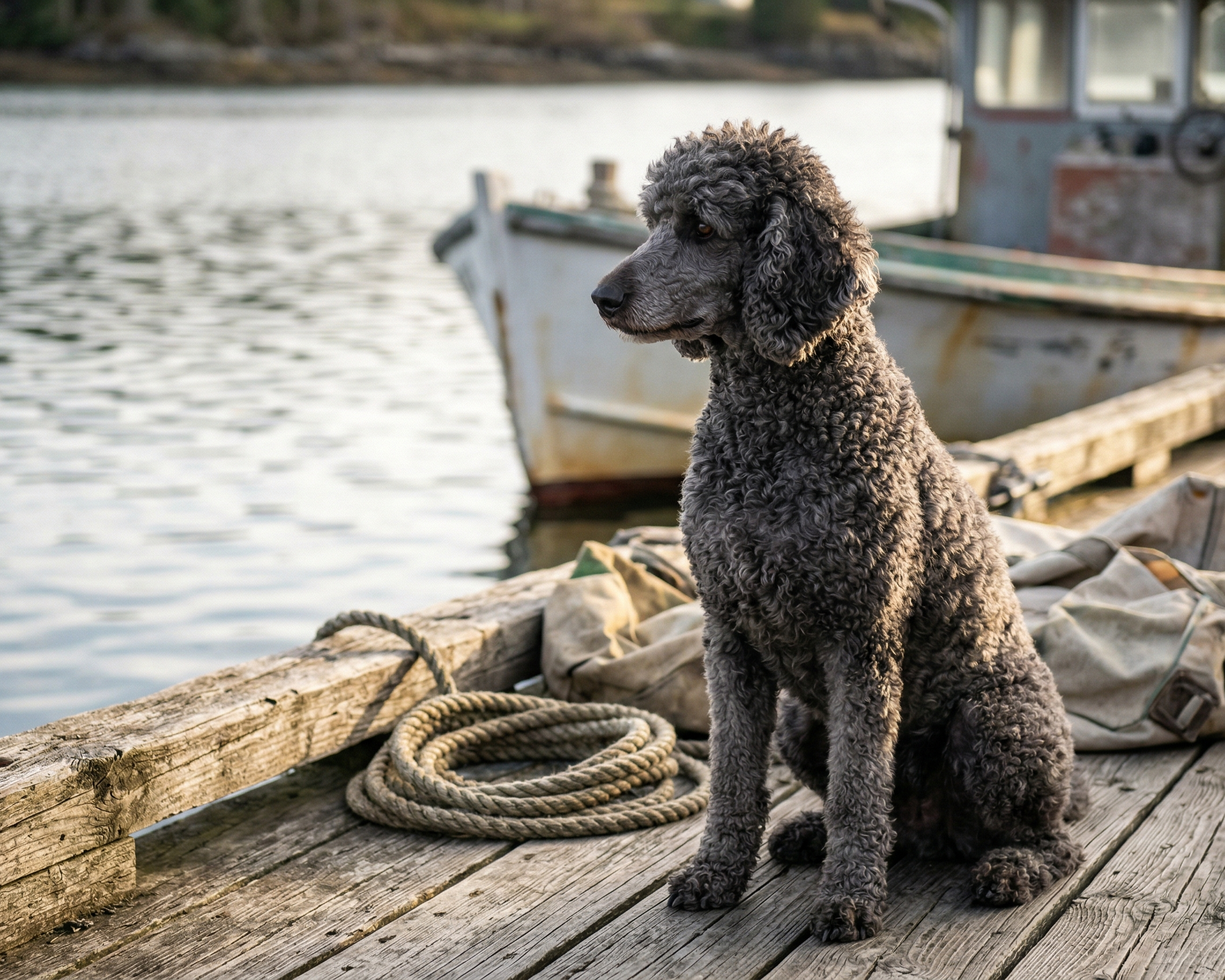
Interestingly, breeders never originally designed these coats to prevent human sneezing. Ancestral maritime workers selectively bred animals for freezing water environments. Poodles and similar working water dogs needed thick protection. A shedding coat would fail to preserve vital body heat. For this reason, sailors favoured animals with continuously growing curls. Meanwhile, Mediterranean aristocrats wanted tiny companions for their palaces. Royal courts demanded clean pets that left no mess. Over centuries, selective breeding naturally isolated these specific genetic traits. Today, we view these historical workers as allergy friendly pet choices.
Managing Low Shedding Dog Breeds Correctly
Modern consumers frequently purchase designer crossbreeds hoping for allergy relief. Unfortunately, crossing a poodle with a standard shedding animal yields unpredictable results. First-generation puppies often inherit conflicting genetic instructions. As a direct result, many fashionable hybrids shed quite heavily. Achieving a reliably tight coat requires careful, multi-generational breeding. On top of this, these continuous coats demand intense human maintenance. Without regular brushing, trapped dead hairs quickly form solid mats. These thick tangles destroy the skin’s natural airflow. Opportunistic bacteria then cause severe, deeply painful skin infections. Ultimately, owning low shedding dog breeds requires a serious grooming commitment.
Specialized Care for Dogs That Barely Shed
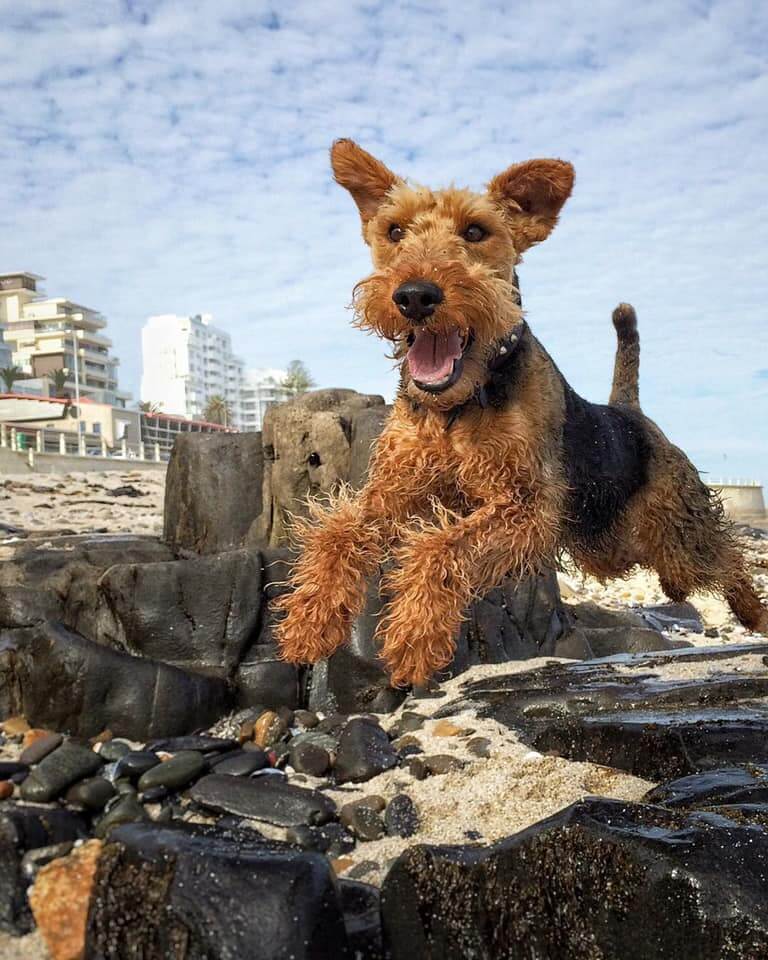
Wire-coated terriers represent another unique category of continuous growth coats. Originally, these harsh coats protected working animals from subterranean rocks. Today, owners must manually strip dead hairs to maintain proper texture. Using electric clippers ruins the protective nature of wire coats entirely. Additionally, many continuous coats grow dense hair inside the ear canal. Historically, groomers aggressively plucked this hair to improve airflow. Recently, veterinarians discovered that forceful plucking creates microscopic tears. These tiny wounds invite dangerous bacterial infections almost immediately. Careful trimming offers a much safer alternative for these specific dogs.
The Future of Allergy Friendly Pet Choices
Science clearly shows that attempting to breed an allergen-free animal remains impossible. All canines will continually produce reactive proteins naturally. In spite of this, modern medicine offers genuine hope for allergy sufferers. Researchers recently mapped the exact structure of the primary canine allergen. Medical scientists plan to use this blueprint for targeted human vaccines. These future treatments aim to build permanent immune tolerance in people. Until then, choosing a curly-coated companion helps limit daily exposure. Prospective owners must simply accept the necessary grooming responsibilities.
Frequently Asked Questions About Dogs That Barely Shed
Do any dogs produce zero allergens?
No, every single dog produces allergenic proteins in their saliva and skin.
Why do curly coats help with allergies?
Tight curls physically trap dead skin flakes before they float away.
Are first-generation designer hybrids guaranteed to have tight coats?
Absolutely not. They often inherit unpredictable shedding traits from their parents.