
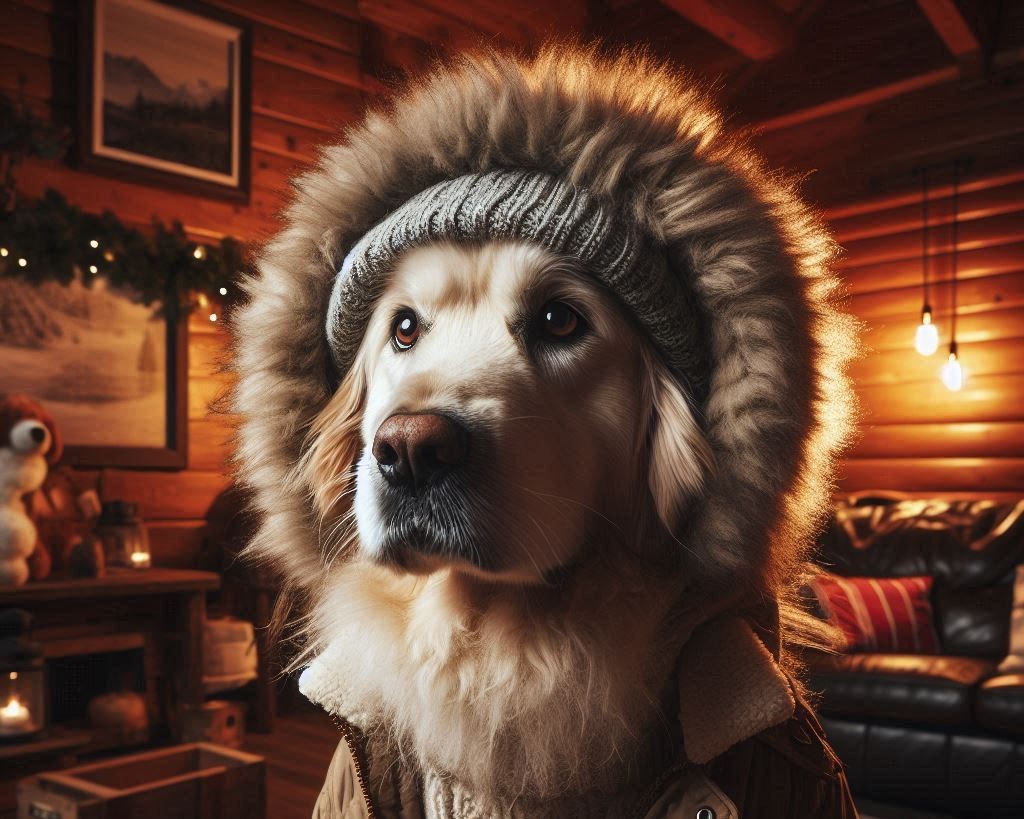
Crafting the perfect winter diet for dogs is a key concern for many owners. In the cold, we notice our companions seem hungrier. They may also appear more lethargic. A pressing question often arises from this complex situation: Should I just feed them more kibble? The world of pet nutrition is filled with conflicting advice, which can create real confusion for loving owners.
The problem’s core is a misunderstanding of winter’s unique demands. Cold, dry air increases a dog’s need for both moisture and high-quality energy. By its nature, dry processed kibble is dehydrating. Simply increasing the portion size can worsen this issue and fail to provide the right kind of fuel. A dog needs sustained energy to stay warm, not the quick rush from processed carbohydrates.
Vondi’s philosophy offers a clear and effective solution. We believe true winter wellness comes from real food. A diet of gently cooked whole proteins, fresh herbs, and vegetables is naturally rich in moisture, directly combating dehydration from cold, dry air. It also provides high-quality fats and proteins that act as premium fuels for generating sustained body heat. Our approach builds health from the inside out.
Key Concepts for a Winter Diet for Dogs
We will explore the unique challenges winter poses to a dog’s body. We explain the critical roles of hydration and energy density and discuss how a proper winter diet for dogs supports their immune system. Our guidance will help you build the perfect nutritional plan to navigate the cold months successfully.
Drawing from Scientific Principles
To provide the most accurate information, we consulted veterinary science and reviewed nutritional studies. Peer-reviewed studies confirm the metabolic effects of cold weather. Research shows that dogs expend more energy just to stay warm in a process called thermoregulation. Other studies explore hydration, revealing that dogs lose significant moisture through respiration in cold, dry air. Science also confirms that dietary fat is a dog’s most efficient energy source, far superior to carbohydrates for sustained warmth and endurance.
The Unique Demands of a Winter Diet for Dogs
A dog’s body works differently in the cold. To cope with environmental stress, their nutritional needs shift. A proper winter diet for dogs must account for these crucial changes.
The Hidden Challenge of Hydration
We often associate dehydration with summer heat, but winter poses its own significant risk. When a dog breathes in cold, dry air, their body must warm and humidify it. With every breath they exhale, they lose a large amount of water vapour. Dry indoor heating further contributes to this moisture loss. A diet of dry kibble provides very little moisture and can worsen the problem. A fresh, moisture-rich diet is therefore essential.
Be mindful of antifreeze spills near cars; this sweet-tasting liquid is extremely toxic to dogs and requires immediate veterinary attention if ingested.
The Need for High-Quality Energy in any Winter Diet for Dogs
Staying warm requires a tremendous amount of energy. In the cold, a dog’s metabolism has to work harder, burning calories simply to maintain its core body temperature. The most efficient fuel for this demanding task is fat. Dietary fats are incredibly energy-dense. They provide the long-lasting, stable energy that helps a dog stay warm without the energy crashes associated with high-carbohydrate diets.
Supporting a Resilient Immune System with a Winter Diet for Dogs
Winter often means more time spent indoors, which can increase exposure to shared germs. A strong immune system is vital to fending off seasonal illnesses. The building blocks for this defence come directly from nutrition. High-quality proteins provide essential amino acids. Fresh vegetables offer natural antioxidants like vitamins C and E. A well-nourished body is simply better prepared to stay healthy all winter long.
Protecting Paws and Joints
The cold ground can be harsh on a dog’s body. Paw pads can become dry, cracked, and painful from contact with icy surfaces. For older dogs, or those with arthritis, the cold can make joints stiff and sore, increasing discomfort and reducing mobility. A diet rich in Omega-3 fatty acids provides natural anti-inflammatory benefits. It supports both skin health and joint function during these challenging months.
Always wipe your dog’s paws after walking on gritted or salted paths to prevent chemical irritation and ingestion.
Managing Winter Weight
Reduced activity in winter can lead to weight gain. It is crucial to balance caloric intake with exercise levels. An overweight dog puts extra strain on their joints. This can worsen conditions like arthritis. Monitor your dog’s body condition closely during colder months.
Addressing Arthritis in the Cold
Cold, damp weather often aggravates joint pain in dogs with arthritis. You may notice increased stiffness, especially in the mornings. A supportive diet can help manage inflammation. Providing a warm, well-padded bed away from drafts is also essential for their comfort.
The Vondi’s Philosophy in Action
In South Africa, our winters can be surprisingly cold and dry. The principles of winter nutrition are universal. Vondi’s advocates for a gently cooked, whole-food diet. Our meals are naturally high in moisture. They support hydration from the inside out. We use high-quality proteins and healthy fats. This provides the sustained energy your dog needs to stay warm and active.
Ensure your dog’s bedding is placed away from drafts and consider an extra blanket for warmth on particularly cold nights.
Advice for a Healthy Winter Diet for Dogs
Ensure constant access to fresh, clean water.
Slightly increase the portion size of a moisture-rich diet.
Choose a food with high-quality animal fats and proteins.
Avoid high-carbohydrate fillers that cause energy crashes.
Maintain a regular exercise routine to keep their metabolism active.
Check paws for cracks after walks and consider a natural balm.
The Vondi’s Approach: Winter Wellness
At Vondi’s, we understand the demands of the season. Our meals are formulated to provide optimal winter support. We use real meat and fresh vegetables. Our gentle cooking process preserves the natural moisture and nutrients. This provides the perfect fuel for warmth, energy, and immunity. We help your dog thrive, not just survive, in the cold.
FAQS
Should I feed my dog more food in winter? Yes, most dogs need a slight increase in calories to stay warm. However, the quality of those calories is what matters most. Choose nutrient-dense whole foods.
Why does my dog seem hungrier when it’s cold? Their body is burning more energy for thermoregulation. This increased energy expenditure naturally triggers their appetite.
Is it okay to walk my dog in the cold? Absolutely. Regular exercise is crucial for their physical and mental health. Just be mindful of the temperature. Use a coat for short-haired or small breeds if necessary.
How can I tell if my dog is dehydrated in winter? Check for dry gums, thick saliva, or low skin elasticity. A simple test is to gently lift the skin on their back. If it does not spring back immediately, they may be dehydrated.
Does the cold make my dog’s arthritis worse? Yes, cold and damp weather can increase joint stiffness and pain. A supportive diet and warm bedding can help manage their comfort.
Conclusion: Thriving in the Cold
A healthy winter diet for dogs is about more than just adding food. It requires a thoughtful approach that addresses the key challenges of hydration and energy. By choosing a moisture-rich, whole-food diet, you support their natural biology. You give them the tools to stay warm, hydrated, and healthy. The result is a dog with a vibrant coat and stable energy, ready to enjoy the season to its fullest. Vondi’s is committed to this principle of proactive, natural wellness.