Hip dysplasia in dogs is a painful condition affecting the hip joint. The ball and socket fail to fit together properly, creating instability that worsens over time. Cartilage erodes. Without proper management, severe arthritis develops and mobility declines steadily throughout the dog’s life.
The problem begins during puppyhood when the hip joint forms incorrectly. Loose ligaments allow the femoral head to move within the socket in ways that damage the surrounding cartilage. Bone remodelling follows. Consequently, the joint becomes increasingly arthritic as the dog ages, causing chronic pain and stiffness that affects daily activities.
Hip dysplasia in dogs ranges widely in severity from barely noticeable to completely disabling. Early detection makes a significant difference in long-term outcomes for affected dogs. Diet and weight management play key roles. Furthermore, hip dysplasia in dogs can be managed effectively when owners combine veterinary care with appropriate lifestyle adjustments.
Tip: If a young dog shows reluctance to run, climb stairs, or play as expected, schedule a veterinary examination promptly. Early intervention prevents years of unnecessary suffering.
How the Healthy Hip Joint Functions
The hip operates as a ball-and-socket joint essential for all hindquarter movement. A round femoral head sits snugly within a cup-shaped socket called the acetabulum in the pelvis. Smooth cartilage covers both surfaces. This cartilage allows friction-free movement during walking, running, jumping, and all other physical activities the dog performs.
Synovial fluid fills the joint capsule. This lubricating fluid nourishes the cartilage and reduces friction between the moving surfaces during activity. Strong ligaments bind the joint together. Additionally, powerful muscles surrounding the hip provide stability and generate the force needed for movement.
Every step places significant load on the hip structure. The joint must absorb impact, transfer weight, and allow smooth rotation simultaneously during normal activity. Proper alignment is critical. Therefore, any looseness or malformation leads to abnormal wear patterns that compound over months and years of use.
Causes of Hip Dysplasia in Dogs
Genetic Predisposition
Genetics plays the primary role in canine hip dysplasia development. Large and giant breeds face the highest risk due to inherited structural traits passed through generations. German Shepherds top the list. Labrador Retrievers, Golden Retrievers, Rottweilers, and Great Danes also appear frequently in diagnosis records kept by veterinary orthopaedic specialists.
The inheritance pattern involves multiple genes working together rather than a single defective gene. Responsible breeders screen parent dogs using radiographic evaluation before mating to reduce risk. Results vary. Even carefully screened litters can produce affected puppies because the genetic interactions remain complex and incompletely understood.
Small breeds develop hip dysplasia too. Pugs, French Bulldogs, and certain terrier breeds show elevated rates compared to mixed-breed dogs of similar size. Breed alone does not determine outcome. However, knowing a dog’s breed helps owners and veterinarians anticipate potential problems and implement preventive strategies early.
Environmental and Dietary Factors
Rapid growth during the first year dramatically increases hip dysplasia risk in genetically prone puppies. High-calorie diets push skeletal development faster than supporting tissues can mature properly. The result is instability. Muscles and ligaments cannot stabilise joints that grow too quickly, allowing damaging movement patterns to establish early.
Excess body weight compounds the problem significantly at any age. Every extra kilogram forces the hip to absorb greater impact during movement throughout the day. Joint surfaces wear faster. Additionally, overweight puppies face exponentially higher rates of hip problems compared to lean littermates fed controlled portions.
Environmental factors matter too. Puppies raised on slippery floors strain their developing hips repeatedly when they lose footing during play. Inappropriate exercise causes harm. High-impact activities like jumping from heights or extended running on hard surfaces damage soft tissues before they strengthen fully.
The Influence of Early Neutering on Joint Development
Neutering before skeletal maturity affects how bones grow and joints form in developing dogs. Sex hormones signal growth plates to close at the appropriate time during development. Removing these hormones early allows bones to grow longer. Consequently, dogs neutered young often develop taller, lighter frames with altered joint angles.
These structural changes affect force distribution through the hip during movement throughout life. Many veterinarians now recommend delaying neutering in large breeds until growth completes around eighteen months. The timing decision balances orthopaedic health against other medical and behavioural considerations specific to each individual dog.
Symptoms of Hip Dysplasia in Dogs
Physical Symptoms
Limping ranks among the earliest and most obvious signs owners notice in dogs with hip dysplasia. The limp often appears worse after rest and may improve temporarily once the dog warms up with movement. Stiffness follows similar patterns. Affected dogs frequently struggle to rise from lying positions, particularly after sleeping through the night.
A narrow hind stance develops as dogs try to reduce load on painful hips by shifting weight forward. The characteristic bunny-hop gait appears during running when dogs move both rear legs together simultaneously. Speed decreases noticeably. Furthermore, dogs begin refusing activities they previously enjoyed, such as jumping into vehicles or chasing toys.
Muscle wasting becomes visible over time in the hindquarters as dogs favour their front legs increasingly. The rear end appears narrower while front leg muscles enlarge from compensation. Posture changes. Owners often notice their dog standing with an arched back or sitting with legs splayed awkwardly to the side.
Behavioural Changes
Pain changes behaviour in predictable ways that observant owners learn to recognise over time. Dogs may become irritable when touched near the hips or lower back area. Sleep suffers. Restless pacing at night indicates difficulty finding comfortable positions that do not aggravate painful joints.
Activity levels decline gradually as hip dysplasia progresses through its stages. Previously energetic dogs lose interest in walks, play sessions, and interaction with family members. Personality shifts may occur. Some dogs become withdrawn while others display uncharacteristic aggression when pain levels peak.
Chronic Indicators
Crepitus describes the grinding sensation veterinarians detect when manipulating an arthritic hip joint during examination. The sound indicates bone rubbing against bone where cartilage has worn away completely. Range of motion decreases. The hip cannot extend or flex as far as a healthy joint allows.
Severe cases progress to near-complete immobility without intervention over several years. Dogs lose the ability to rise unassisted or squat for toileting without significant pain. Quality of life deteriorates. At advanced stages, some dogs require mobility aids or face difficult decisions about humane endpoints.
Diagnosis and Veterinary Procedures
Veterinarians begin assessment with thorough physical examination of the affected dog. They manipulate the hip joint carefully to assess looseness, pain response, and range of motion limitations. The Ortolani test specifically checks for abnormal femoral head movement within the socket. A positive result strongly indicates hip dysplasia requiring further investigation.
Radiographs provide definitive diagnosis in most clinical situations. X-rays reveal joint structure, arthritis severity, and bone remodelling that confirms the condition. Sedation ensures accurate positioning. Without proper technique, subtle abnormalities may not appear clearly enough for reliable assessment.
The PennHIP method offers early detection capabilities in puppies as young as sixteen weeks old. This specialised technique measures joint laxity with greater precision than standard radiographic views allow. Early identification matters. Puppies flagged as high-risk can begin preventive management programmes before clinical symptoms ever develop.
Advanced imaging becomes necessary for surgical planning in severe cases requiring intervention. CT scans provide three-dimensional views of complex joint anatomy that guide surgical approaches precisely. Gait analysis technology quantifies lameness objectively. These tools help veterinarians track disease progression and treatment response over extended timeframes.
Interesting Fact: The PennHIP screening method can predict hip dysplasia risk accurately in puppies before any symptoms appear. Dogs identified early benefit from preventive programmes that dramatically improve their long-term comfort and mobility.
The Role of Diet in Hip Dysplasia
Diet cannot cure hip dysplasia but plays a vital supportive role throughout the affected dog’s life. Proper nutrition supports joint health, controls inflammation, and maintains ideal body condition. Fresh matters. Whole-food diets provide nutrients in bioavailable forms that processed foods cannot match.
Controlling Growth Rate in Puppies
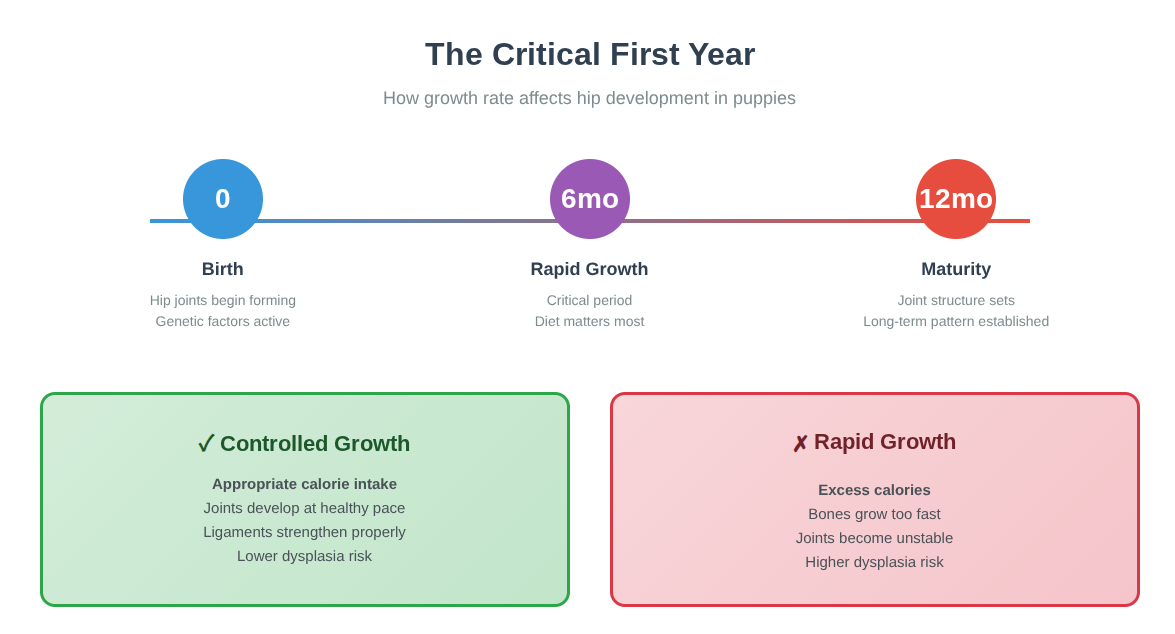
Controlled growth protects developing joints in puppies genetically predisposed to hip dysplasia. High-calorie commercial foods promote rapid weight gain that outpaces proper joint development dangerously. Fresh food helps. Owners can control calorie intake precisely with home-prepared or commercial fresh diets.
Large breed puppies require specific calcium-to-phosphorus ratios during growth for optimal skeletal development. Excess calcium actually harms developing bones in growing puppies despite common assumptions otherwise. Balance matters critically. Fresh diets formulated for large breed puppies meet these precise nutritional targets reliably.
Weight Management Through Nutrition
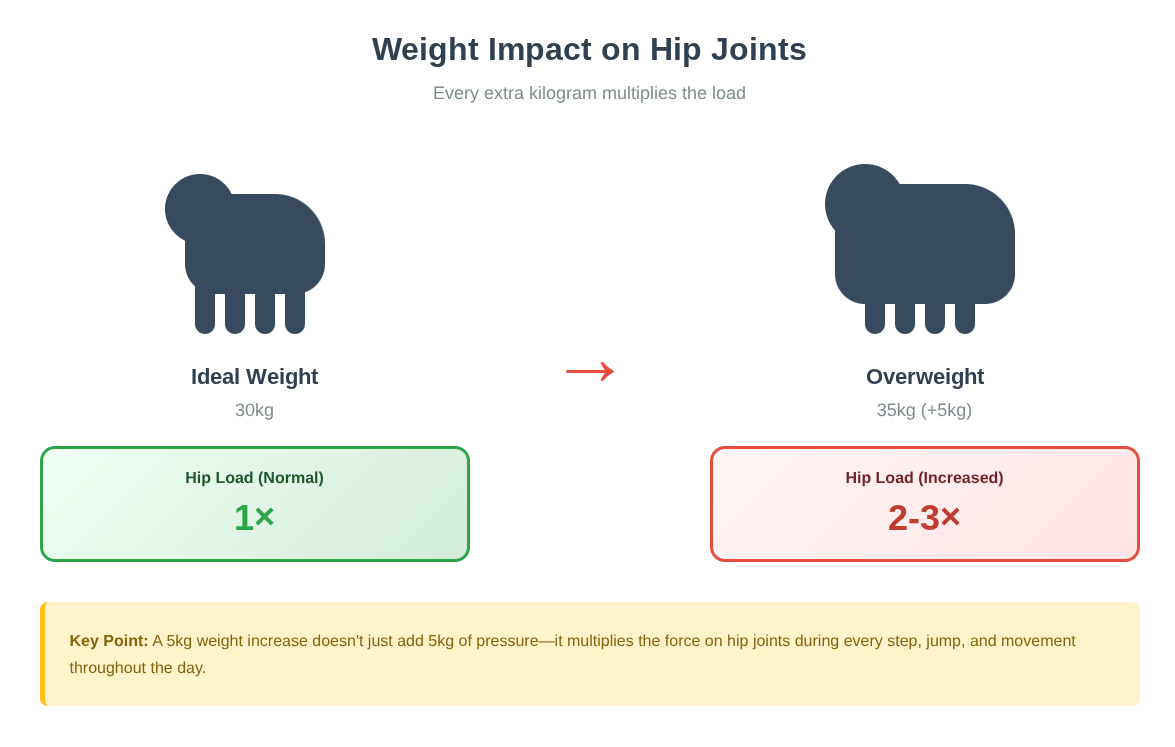
Maintaining lean body condition reduces stress on dysplastic hips dramatically throughout the dog’s entire life. Every excess kilogram increases force on compromised joints with every single step taken. High-moisture diets help significantly. Dogs eating fresh food with natural water content feel fuller on fewer calories than those eating dry kibble.
Protein quality determines whether dogs maintain supportive muscle mass as they age with hip dysplasia. Strong muscles stabilise weak joints and reduce pain during movement substantially. Fresh meat provides complete amino acid profiles. Furthermore, adequate protein prevents the muscle wasting that accelerates mobility decline in affected dogs.
Anti-Inflammatory Dietary Approaches
Omega-3 fatty acids from marine sources reduce joint inflammation measurably in dogs with hip dysplasia. The dog’s body cannot produce these essential fats internally from other dietary components. Fish oil works. Fresh diets incorporating oily fish provide these beneficial fats in naturally bioavailable forms.
Avoiding excess omega-6 fatty acids improves inflammatory balance within the body over time. Many processed foods contain high levels of omega-6 fats from vegetable oils and grain-based ingredients. Whole foods differ. Grain-free diets may be considered under veterinary guidance for dogs showing sensitivity to specific ingredients.
Treatment and Holistic Management
Veterinary Treatment Options
Non-steroidal anti-inflammatory drugs provide pain relief and improved mobility for many dogs with hip dysplasia. These medications reduce inflammation within the joint while blocking pain signals effectively. Long-term monitoring matters. Regular blood tests ensure liver and kidney function remain healthy during extended use.
Joint injections offer targeted treatment when oral medications prove insufficient alone. Polysulfated glycosaminoglycan injections may slow cartilage breakdown while reducing pain simultaneously. Newer therapies exist. Platelet-rich plasma and stem cell treatments aim to promote natural healing within damaged joints.
Surgical Interventions for Hip Dysplasia
Total hip replacement provides excellent long-term outcomes for suitable surgical candidates with severe hip dysplasia. Surgeons remove the damaged joint completely and insert artificial components made from medical-grade materials. Results impress consistently. Most dogs return to near-normal activity levels following appropriate recovery periods.
Femoral head ostectomy removes the ball portion of the hip joint entirely in dogs unsuitable for replacement. Scar tissue forms a functional false joint that eliminates painful bone-on-bone contact. Size limits apply. Dogs under twenty kilograms typically achieve better outcomes than larger dogs with this procedure.
Triple pelvic osteotomy suits young dogs diagnosed before significant arthritis develops in the affected hip. Surgeons reposition the socket to provide better coverage over the femoral head surgically. Timing proves critical. Candidates must typically be under twelve months old with minimal existing joint damage.
Holistic Support Strategies
Glucosamine and chondroitin supplements support cartilage health in dogs with hip dysplasia when used consistently. These compounds provide building blocks the body uses for cartilage maintenance and repair processes. Results vary individually. Many owners report improved mobility after several weeks of regular supplementation.
Omega-3 supplementation reduces inflammatory markers measurably when provided at appropriate doses over time. Fish oil provides EPA and DHA in highly bioavailable forms dogs absorb efficiently. Alternatives exist. Green-lipped mussel extract offers similar benefits for dogs who refuse fish-based supplements.
Physical Therapy and Rehabilitation
Hydrotherapy allows beneficial exercise without stressing painful joints during movement sessions. Swimming and underwater treadmill work build muscle while water buoyancy supports body weight completely. Dogs enjoy these sessions. Visible improvement often occurs within weeks of beginning a structured aquatic programme.
Massage therapy increases blood flow to tight, compensating muscles surrounding the affected hip joints. Skilled manipulation relaxes overworked tissues and reduces secondary pain sources effectively. Home techniques help too. Rehabilitation therapists teach owners simple methods to continue supportive care between professional appointments.
Acupuncture provides measurable pain relief for many dogs suffering from chronic hip dysplasia discomfort. The mechanism involves endorphin release and specific nerve pathway stimulation during treatment. Weekly sessions work best initially. Owners frequently observe increased comfort and improved mobility following acupuncture treatments.
Environmental Modifications for Comfort
Orthopaedic beds support painful joints properly during rest periods throughout the day and night. Memory foam distributes body weight evenly across the sleeping surface without pressure points. Raised bowls help significantly. Elevated food and water dishes reduce strain when dogs bend to eat or drink.
Ramps eliminate the need for painful jumping when entering vehicles or accessing furniture safely. Non-slip mats placed on hard floors prevent slipping that strains already compromised hip joints. Simple changes matter. Keeping nails trimmed improves traction and normalises gait patterns during daily movement.
FAQs – Hip Dysplasia in Dogs
Can hip dysplasia in dogs be cured completely?
Hip dysplasia cannot be cured but can be managed effectively throughout life. Treatment focuses on reducing pain and maintaining mobility.
At what age do symptoms typically appear?
Signs usually emerge between six and twelve months during rapid growth phases. Some dogs show no symptoms until middle age or later.
Is hip dysplasia painful for affected dogs?
Yes, hip dysplasia causes significant chronic pain in most cases. Severity ranges from mild discomfort to severe debilitation.
Can proper diet prevent hip dysplasia entirely?
Diet cannot prevent genetic hip dysplasia but reduces severity substantially. Controlled growth and lean body condition protect developing joints.
How much does surgical treatment typically cost?
Total hip replacement costs between £4,000 and £7,000 per hip typically. Other procedures range from £1,500 to £3,500.
Should dogs with hip dysplasia continue exercising?
Moderate controlled exercise maintains muscle mass and joint mobility beneficially. High-impact activities should be avoided.
Is hip dysplasia passed from parents to puppies?
Yes, hip dysplasia has strong genetic components affecting inheritance patterns. Breeding dogs should undergo screening.
In Closing
Hip dysplasia in dogs presents lifelong challenges requiring committed, informed management from dedicated owners. Modern veterinary medicine offers numerous effective treatment options ranging from conservative care to advanced surgery. Early detection through screening enables preventive measures before symptoms cause suffering. Diet and weight control form the essential foundation supporting all other interventions.
Working closely with a veterinarian ensures the best possible outcome for each individual dog affected by this common condition. Every case requires a personalised management plan addressing specific severity levels and lifestyle factors. Multiple tools exist. Consulting a veterinary professional remains the essential first step toward helping any dog with hip dysplasia achieve comfortable, active years ahead.