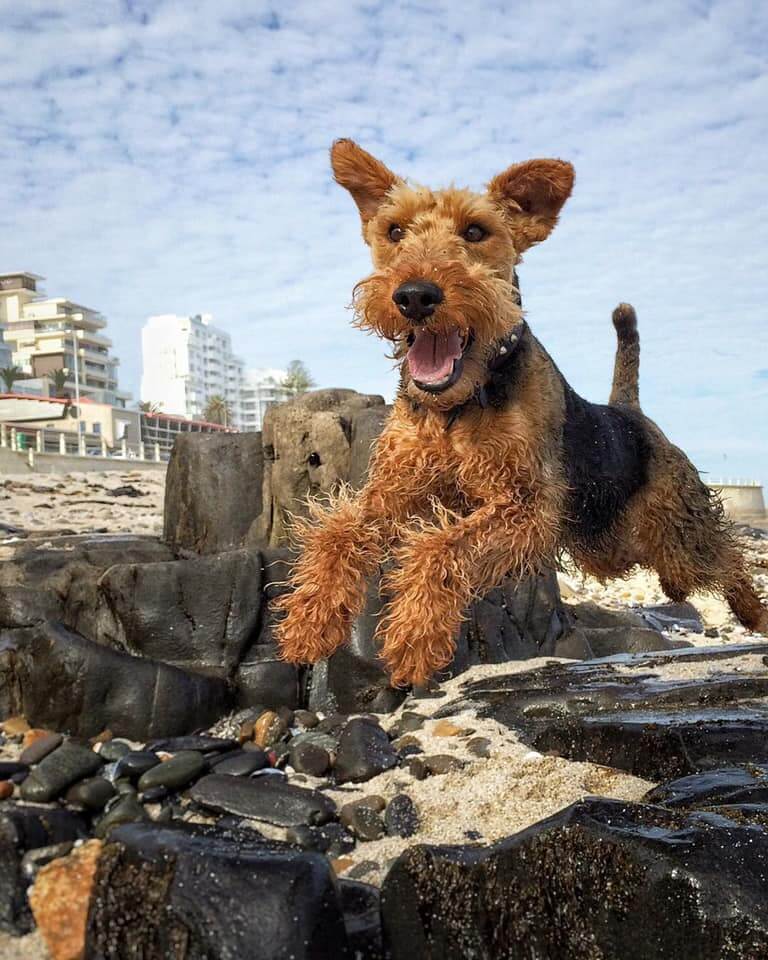

Successfully managing a multi-dog household is a rewarding but often complex endeavour. While the image of several dogs playing happily together is idyllic, the reality can involve conflict, competition, and chaos. Owners often face challenges with resource guarding, jealousy, and navigating the intricate social dynamics of their canine pack.
Understanding multi-dog household dynamics is the key to fostering a peaceful environment. It requires a proactive owner who can act as a fair and consistent leader, not a dominant alpha. The goal is to establish clear routines and structures that minimise stress and competition. Consequently, this allows each dog to feel secure in his position within the family.
Implementing effective management strategies transforms a potentially chaotic house into a harmonious home. You can create a safe and loving environment for all your dogs by learning to manage resources, read body language, and facilitate positive interactions. A well-managed pack is a joy to live with and a testament to dedicated leadership.
Interesting Fact: Dogs in a group do not always form a strict, linear “alpha” hierarchy. Their social structures are often fluid, with different dogs taking the lead in different situations based on their confidence and motivation for a particular resource.
Establishing a Peaceful Foundation
Creating a calm environment starts with establishing clear rules and individual relationships. A strong foundation prevents many common problems from ever taking root.
The Importance of One-on-One Time in a Multi-Dog Household
Each dog in your home needs to feel like an individual. Set aside dedicated time each day for one-on-one interaction with every dog. This could be a short training session, a separate walk, or a quiet cuddle on the couch. This practice strengthens your personal bond with each dog and reduces feelings of competition for your attention.
Consistent Rules and Boundaries for All
Rules must apply to every dog, every time. If dogs are not allowed on the furniture, then no dog is allowed on the furniture. Inconsistency is a primary source of confusion and conflict in managing a multi-dog household. A clear and predictable set of house rules helps every dog understand what is expected of him, creating a stable social order.
The Role of the Benevolent Leader in the Multi-Dog Household
Your role is that of a calm, confident leader who provides resources and direction. This is not about dominance, but about control and fairness. You are the one who initiates playtime, determines when feeding happens, and manages access to valued items. Your dogs will look to you for guidance, which reduces the need for them to sort things out amongst themselves.
Tip: In South Africa, many homes have gardens with limited space. When introducing a new dog to the pack, always conduct the first meeting on neutral territory, like a nearby park, before bringing the new dog onto your property. This prevents the resident dog from feeling his territory is being invaded.
Navigating Daily Routines to Prevent Conflict
Daily activities like feeding and walking are prime opportunities for conflict. Structuring these routines carefully is essential for preventing fights between dogs.
Strategies for Feeding Multiple Dogs Safely
Feeding time is one of the most common flashpoints for aggression. To ensure safety, practice feeding multiple dogs safely by separating them. Feed each dog in his own crate, in a separate room, or at a significant distance from the others. Always pick up the bowls as soon as they are finished to remove any lingering resources to guard.
Managing Walks and Outdoor Time
Walking multiple dogs can be challenging. Use appropriate equipment, such as dual leashes or individual leads, to maintain control. It is also beneficial to walk the dogs separately on occasion. This provides a mental break for them and reinforces their individual training with you. Supervised garden time is important, but do not leave the pack unattended for long periods.
Preventing Resource Guarding in Multiple Dogs
Resource guarding in multiple dogs can apply to toys, bones, sleeping spots, or even you. The best strategy is management. Limit access to high-value items like special chew toys to times when the dogs are separated. Teach a solid “drop it” and “leave it” cue to all your dogs. This reinforces that you are in control of all resources.
Interesting Fact: A study on canine behaviour revealed that dogs are sensitive to inequity. They may show signs of agitation or refuse to participate in a task if they see another dog receiving a better reward for the same behaviour. This highlights the importance of perceived fairness in a pack.
Recognising and De-escalating Tension in the Multi-Dog Household
Understanding canine body language is a superpower when managing a multi-dog household. Being able to spot subtle signs of stress allows you to intervene before a conflict erupts.
Learning to Read Canine Body Language: feeding Multiple Dogs Safely
Pay close attention to the subtle cues. A stiff body, a “whale eye” (where the whites of the eyes are visible), a tucked tail, or a closed, tight mouth are all signs of discomfort. A dog who freezes over a toy or stares intensely at another dog is issuing a clear warning. Recognising these signals allows you to calmly redirect the dogs before the situation escalates.
How to Safely Intervene: Preventing Fights Between Dogs
If you see tension building, use a calm, upbeat tone to interrupt the interaction. You can call the dogs to you for a treat, toss a toy in another direction, or simply lead one of the dogs away. Avoid shouting or physical corrections, as this will only add more stress and anxiety to the situation. For a physical fight, your priority is to separate them safely without getting bitten, often by using a barrier or a blanket.
FAQs – Managing a Multi-Dog Household
Is it better for dogs to have a companion? While many dogs thrive with a canine companion, it is not a necessity for all. For a multi-dog household to be successful, the dogs’ personalities must be compatible, and the owner must be prepared for the extra work involved.
How do I know if my dogs are playing or fighting? Play is typically bouncy and loose, with lots of pauses, role reversals (taking turns chasing), and “play bows.” Fighting is stiff, fast, and loud, with a clear intention to cause harm. When in doubt, it is always safer to interrupt the interaction.
Should I let my dogs “work it out” themselves? No. This is an outdated and dangerous piece of advice. Allowing dogs to fight “work it out” can lead to serious injury and will damage their long-term relationship. Your role is to prevent fights, not to referee them.
What is the best way of introducing a new dog to the pack? The process should be slow and gradual. Start with parallel walks on neutral ground. Allow brief, leashed greetings, rewarding calm behaviour. The new dog should have his own separate space in the home initially, and all interactions should be supervised for several weeks.
How can I stop my dogs from ganging up on one dog? This is a serious issue called pack aggression or bullying. It requires immediate management by separating the dogs and seeking professional help from a certified animal behaviourist. It is not something that will resolve on its own.
Do dogs get jealous of each other? While we cannot know if dogs feel jealousy in the human sense, they certainly compete for resources, including your attention. Providing one-on-one time and managing resources fairly can minimise competitive behaviours.
Can dogs of different sizes live together safely? Yes, but it requires careful management. All interactions must be supervised to prevent accidental injury to the smaller dog during play. It is also crucial to ensure the smaller dog has safe spaces where he can retreat from the larger dog.
Tip: Vondi’s is a proud advocate for animal welfare and supports numerous shelters across South Africa. These shelters are invaluable resources for advice on dog compatibility and can help you find the right match when considering adding to your pack.
In Closing
Successfully managing a multi-dog household hinges on the owner’s ability to be a proactive and benevolent leader. It is a commitment to providing structure, fairness, and individual attention to ensure every dog feels secure and valued. By establishing clear routines for daily activities, managing resources carefully to prevent conflict, and learning to read canine body language, you can cultivate a peaceful and harmonious pack. The joy of watching multiple dogs coexist happily is a direct result of your dedicated and informed effort.