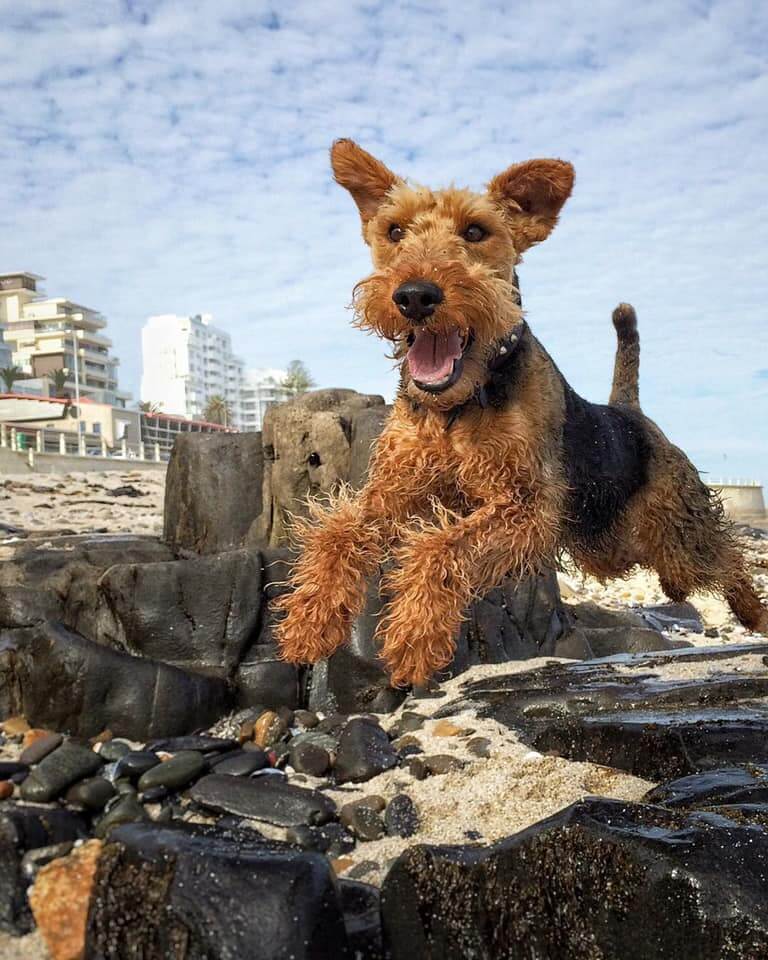

For many owners, learning how to stop a dog from jumping on people is a top training priority. An enthusiastic dog launching himself at visitors is a common, and often frustrating, scenario. While this behaviour almost always stems from pure excitement and a desire to say hello, it can be unwelcome, messy, and even dangerous for small children or frail guests.
The first step in addressing a dog jumping on guests is to understand that it is a natural, instinctive canine greeting. However, for a dog to live harmoniously in our human world, he needs to be taught a more appropriate way to express that joy. This is not about punishing his enthusiasm, but about redirecting it into a calmer, more polite behaviour.
A consistent and patient approach is the key to success. By using a combination of management to prevent the behaviour and positive training to teach an alternative, you can achieve calm greetings for dogs. This process not only solves a problem but also deepens the communication and trust between you and your companion.
Interesting Fact: Dogs often jump up to try and get closer to our faces, which is a primary area of communication for them. In the canine world, licking or sniffing another dog’s muzzle is a common greeting ritual.
Understanding the Motivation Behind the Jump
Before you can effectively stop a dog from jumping, it helps to understand why he is doing it in the first place. The motivation is rarely malicious.
An Expression of Pure Excitement
The most common reason for jumping is simply an overabundance of joy. When a beloved owner comes home or a new guest arrives, a dog’s excitement can bubble over, and jumping is a physical release for that powerful emotion. He is, in his own way, shouting, “Hello! I’m so happy to see you!”
A Learned Attention-Seeking Behaviour
Dogs are brilliant learners. If a dog learns that jumping gets a reaction—any reaction at all, including being pushed down or told “no”—he may repeat the behaviour to get attention. For some dogs, negative attention is better than no attention at all.
A Lingering Puppy Habit
Jumping is often a behaviour that was unintentionally encouraged in puppyhood. What is adorable in a tiny, fluffy puppy becomes a significant problem in a fully grown dog. This is one of the most common puppy jumping solutions to seek: un-training a behaviour that was once considered cute.
Tip: In a famously friendly and social country like South Africa, guests may be tempted to greet your dog with high-energy excitement, which can encourage jumping. Politely asking visitors to help with training by staying calm can make a huge difference.
Management: The Key to Preventing Practice
The golden rule of changing behaviour is to prevent the dog from practising the unwanted action. Management is your most powerful tool in the early stages.
Using a Lead for Calm Greetings for Dogs
When guests arrive, have your dog on a lead. This allows you to keep all four of his paws on the floor and prevent him from launching at the visitor. You can stand on the lead to keep him grounded or use it to guide him to a designated spot.
The Role of Gates and Crates
Baby gates, playpens, or a comfortable crate can be invaluable management tools. Before opening the door to guests, you can place your dog in his safe space with a high-value chew. This prevents the initial chaotic greeting and allows him to settle before a calmer introduction is made.
How to Train a Dog Not to Jump: Teaching a Better Way
Once you have management in place, you can focus on the training. The goal is to teach your dog what you want him to do instead of jumping.
Rewarding “Four on the Floor”
The simplest alternative behaviour is to stand or sit politely. This is often called the “four on the floor” rule. The moment your dog has all four paws on the ground in a greeting situation, calmly praise him and give him a treat. This is one of the most effective positive methods to stop jumping.
Teaching a Default “Sit”
Teaching your dog to automatically sit when greeting people is a brilliant strategy. It gives him a clear, incompatible behaviour to perform instead of jumping. Practice this with family members first, rewarding him lavishly for sitting when they approach.
The Power of Ignoring the Unwanted
For attention-seeking jumpers, removing the reward (your attention) can be very effective. The moment he jumps, turn your back on him without a word. The instant all four of his paws are back on the ground, turn back and give him calm praise. This requires incredible consistency from everyone in the household.
FAQs – How to Stop a Dog from Jumping
Is it okay to use my knee or push my dog off? No. Using physical force like kneeing, pushing, or lead jerks falls into the category of punishment. It can create fear, damage your relationship, and may even cause the dog to see greetings as a scary, confrontational event, potentially making the behaviour worse.
How long will it take to stop my dog from jumping? This depends on how long he has been practising the behaviour and your consistency. With diligent management and daily training, you can see significant improvement in just a few weeks.
My dog only jumps on me when I get home. What should I do? This is a common “excitement jump.” When you come home, try to keep your own energy very calm. Ignore the jumping by turning away, and wait for a moment of calm—even a brief one—before greeting him quietly.
What if my guests encourage the jumping? This is a major challenge. It is crucial to explain your training plan to guests before they enter. Ask them to help you by ignoring jumps and only rewarding calm behaviour. If they cannot comply, it is best to use a management tool like a baby gate during their visit.
What are the best puppy jumping solutions? Start early! From the first day you bring your puppy home, teach him that attention and affection are given when his paws are on the floor. Avoid high-energy, rough play that encourages jumping and biting on people.
Tip: Using high-value, delicious treats is essential when you are training a new greeting behaviour. The reward needs to be more exciting and appealing than the thrill of jumping on someone.
In Closing
Learning how to stop a dog from jumping is a process that beautifully illustrates the power of positive training. It requires you to be a proactive manager and a patient teacher. By preventing the unwanted behaviour and consistently reinforcing a polite alternative, you are not punishing your dog’s joy; you are simply showing him a better way to express it. The result is a well-mannered dog who can greet anyone with confidence and calm, making social situations a pleasure for everyone.