
Executive Summary
Fat soluble vitamins do the heaviest work in a dog’s body, and vitamin A and vitamin D lead that effort. This article explains what each vitamin does for your dog. It also covers safe food sources and why stored vitamins need careful portioning.
Fat soluble vitamins behave differently to the minerals this series covered earlier. Your dog’s body stores them in fat and liver tissue instead of flushing any excess out daily. Vitamin A and vitamin D sit at the centre of that group. Each one carries a safety margin worth understanding before you plan meals around it.
Vitamin A Supports Vision And Immune Defence
Vitamin A is one of the fat soluble vitamins your dog needs from real food. It keeps your dog’s eyes working properly in low light. It also plays a strong role in immune defence and in keeping skin healthy. A dog low in vitamin A can develop dry, flaky skin or poor growth. Liver is the classic whole food source, since beef and chicken liver both carry high amounts naturally. Because fat soluble vitamins build up over time, liver needs to stay a small part of the diet. Feeding too much liver for too long can eventually affect bones and joints.
A Practical Option
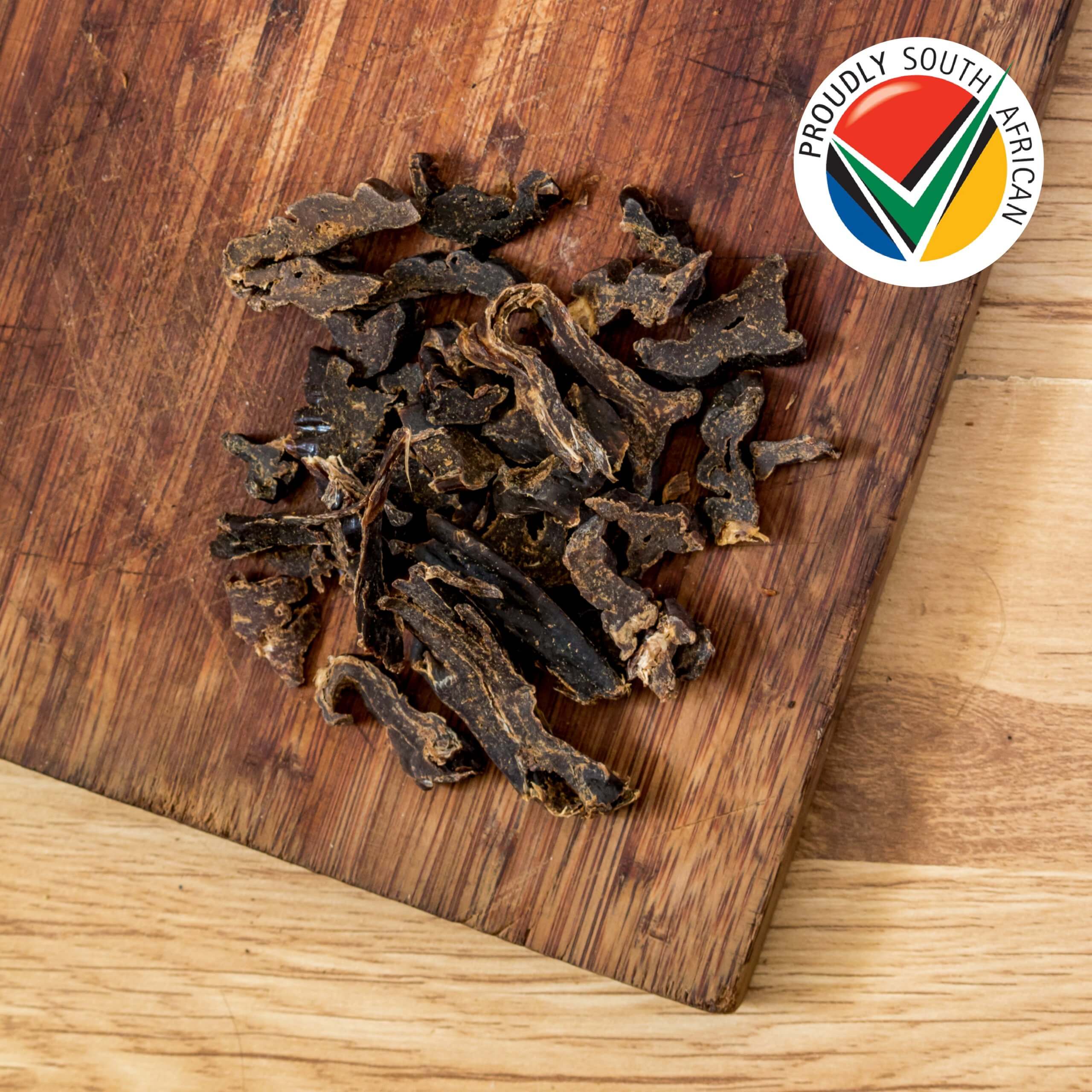
Vondis Beef Liver Bite Size (100g)
Vondis Beef Liver Bite Size (100g)
A pure, dried beef liver treat, cut into small bite sized pieces. The portioned format makes it easier to offer liver as an occasional reward instead of a daily habit, which suits how the body stores vitamin A over time.
A pre-portioned liver treat is a simple way to keep that balance in check.
Getting Enough Vitamin D From Food
Vitamin D works alongside calcium and phosphorus to build strong bones. Unlike many animals, dogs cannot make enough vitamin D from sunlight on their skin. That makes food the only reliable source for these fat soluble vitamins. Oily fish such as mackerel and salmon provide meaningful amounts, and cod liver oil offers even more. Deficiency is rare when a dog eats a balanced diet. Growing puppies face the highest risk of weak or soft bones without enough. Excess is the bigger real world risk, usually from accidental poisoning or a manufacturing error. That kind of excess can raise blood calcium to dangerous levels and damage the kidneys.
Why Stored Nutrients Need Careful Portioning
Fat soluble vitamins do not need to arrive every single day, since the body holds a reserve. That reserve is exactly why balance across a week matters more than hitting an exact number daily. Too much vitamin A can interfere with how the body uses vitamin D and calcium together. This is one reason formulators watch fat soluble vitamins closely rather than adding them freely. For meals you prepare at home, keep organ meat to a small, occasional portion rather than a daily staple. A vet or veterinary nutritionist can check whether your current feeding plan already meets both requirements.