Ensuring dog safety during the holidays is a priority for every responsible owner as the end of the year approaches. December in South Africa brings a unique combination of challenges, blending sweltering summer heat with the chaos of festive celebrations. Consequently, routines often fall apart, and households become busier, creating a potentially hazardous environment for your companion.
The festive season should be a time of joy for the whole family, including the dogs. However, a spike in veterinary visits is common during this period due to dietary indiscretions, heatstroke, and anxiety-related incidents. Therefore, preparation and awareness are your best tools for avoiding an emergency room visit on Christmas Day.
This guide covers the essential pillars of dog safety during the holidays. We will explore managing the summer heat, navigating the dangers of the festive feast, and handling the stress of parties and fireworks. By taking proactive steps, you can ensure your dog remains healthy, calm, and safe throughout the holidays.
Tip: December is a prime time for pets to go missing due to open gates and fireworks. Ensure your dog’s microchip details are up to date and that he is wearing a collar with a clear ID tag before the festivities begin.
The Festive Feast: Food Hazards to Avoid
Food is central to holiday celebrations, but our indulgence can be dangerous for dogs. Managing canine Christmas safety means being vigilant about what falls off the table.
Dangerous Leftovers
Rich, fatty foods like gammon rinds or lamb fat can trigger pancreatitis, a painful and potentially life-threatening inflammation. Furthermore, cooked bones from a braai or roast are extremely dangerous. They become brittle and can splinter, causing severe internal damage or blockages. Stick to his regular diet or offer safe, natural chews to keep him occupied while you eat.
Toxic Ingredients
Many festive staples are toxic to dogs. Raisins and grapes, often found in fruit cakes and mince pies, can cause kidney failure. Onions, garlic, and chives can damage red blood cells, while chocolate and xylitol (an artificial sweetener) are well-known poisons to dogs. Therefore, ensure all guests know specifically what they cannot feed your dog.
Managing the Summer Heat
In South Africa, the festive season coincides with the peak of summer. Summer holiday dog tips must always prioritise temperature management.
Timing Your Activities
Avoid walking your dog during the heat of the day. Pavements can become hot enough to burn paw pads in seconds. Instead, schedule walks for the early morning or late evening when the air and ground are cooler.
Hydration and Shade
Always provide access to fresh, cool water and ample shade. If you are hosting a garden party, ensure your dog has a quiet, cool spot away from the direct sun. Signs of heatstroke include excessive panting, drooling, and lethargy; this requires immediate veterinary attention.
Managing Dog Anxiety in December
The holidays are noisy. Between thunderstorms, fireworks, and loud family gatherings, sensitive dogs can struggle.
Creating a Sanctuary
Set up a “safe space” in a quiet room where your dog can retreat when things get too loud. Fill it with his comfortable bed, water, and favourite toys. Using white noise or calming music can help mask the sounds of fireworks or thunderstorms.
Natural Support
For dogs with noise phobia, natural calming supplements can be very beneficial. These can help take the edge off his anxiety without sedating him. Administer these well before the noise starts for the best effect.
FAQs – Dog Safety During the Holidays
1. Can I give my dog Christmas leftovers?
Generally, no. Most festive food is too rich, salty, or fatty for dogs. Plain, white turkey meat (without skin or bones) or steamed vegetables like carrots are safe in moderation, but avoid anything covered in gravy or sauces.
2. How do I stop my dog from begging at the table?
Feed your dog his meal before the family sits down to eat. Alternatively, give him a long-lasting natural chew or a stuffed puzzle toy in his bed to keep him occupied and distracted during the meal.
3. What should I do if my dog eats chocolate?
You must contact your vet immediately. Try to determine exactly how much he ate and what type (dark chocolate is more toxic than milk chocolate). Prompt treatment is vital for avoiding toxic festive foods for dogs.
4. Is it safe to take my dog to the beach in December?
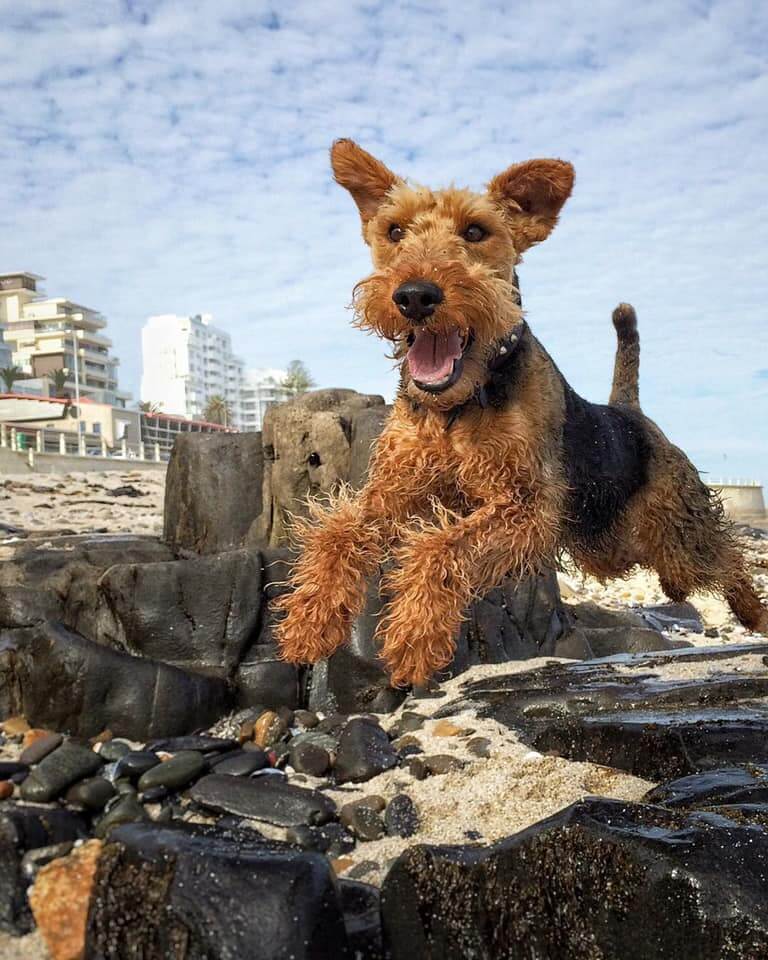
Yes, but be careful. Go early to avoid the heat and crowds. Ensure the sand is not too hot, and bring plenty of fresh water to prevent him from drinking seawater, which causes severe dehydration.
5. My dog is terrified of fireworks. What can I do?
Keep him indoors with windows and curtains closed. Stay calm yourself, as he will pick up on your stress. Consult your vet about calming supplements or medication if his phobia is severe.
6. Can I leave my dog alone while I go on holiday?
It depends on the dog. Some cope well with a house sitter, while others prefer a reputable kennel. Ensure any sitter is reliable and knows your vet’s details. Never leave a dog alone for extended periods without daily checks and care.
7. How do I keep my dog safe around the Christmas tree?
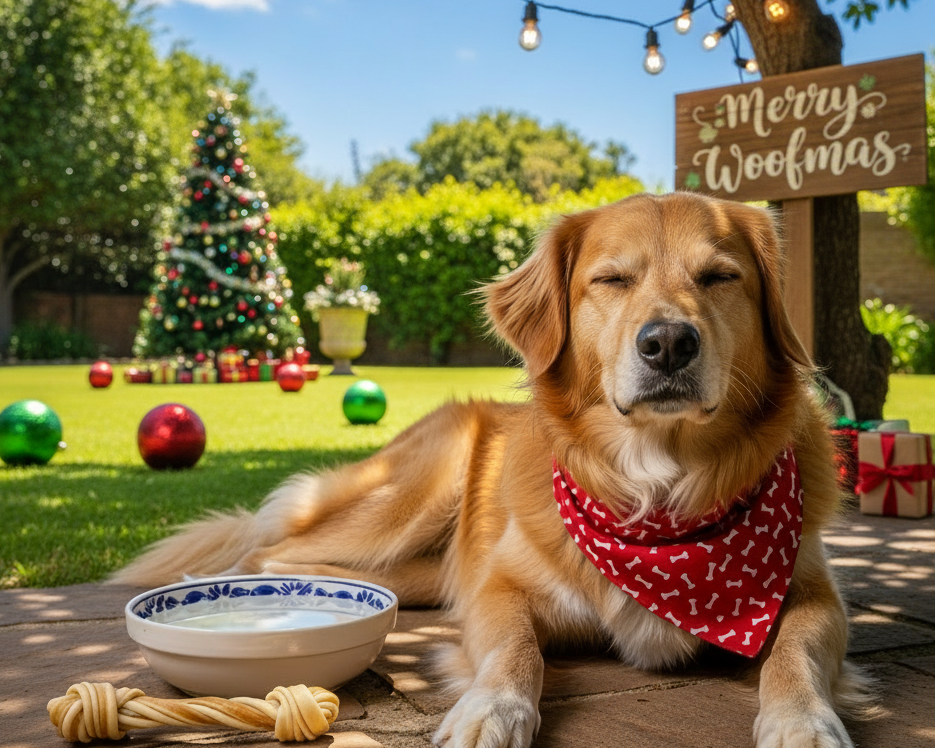
Secure the tree so it cannot fall. Glass ornaments can break and cut paws, and tinsel can cause intestinal blockages if swallowed. Keep decorations out of reach or supervise your dog when he is in the room with the tree.
In Closing
Navigating the festive season with a dog requires a balance of fun and vigilance. Ultimately, ensuring dog safety during the holidays allows everyone to enjoy the celebrations. By strictly managing his diet, protecting him from the South African heat, and preparing for noise events, you can prevent common holiday emergencies. Prioritising festive season pet care ensures that you and your loyal companion can start the new year happy, healthy, and stress-free.