Executive Summary
Understanding dog movement mechanics requires studying bones and physical forces. Previously, veterinarians just watched dogs walk. Visual guessing frequently missed highly complex physical issues. Today, highly specialized tools measure exact joint angles and physical forces perfectly. Modern force platforms and wearable sensors capture precise timing data during every single stride an animal takes. Consequently, researchers finally understand the exact physics governing canine activity. This knowledge changes everything. Experts use these vital insights to protect working animals from devastating sports injuries. Ultimately, veterinarians build significantly better physical therapy routines using this detailed information.
The Basics Of Canine Gait Analysis
We must study dog movement mechanics to evaluate healthy walking correctly. Dogs use specific footfall patterns to travel. Specifically, experts separate these unique patterns into symmetrical and asymmetrical gaits. Symmetrical gaits mirror movements on both sides. The walk represents the absolute most stable symmetrical gait available. A walking dog keeps at least two feet grounded constantly. Sometimes, three feet touch the dirt simultaneously. Therefore, the walk provides maximum stability without wasting precious energy. Scientists map these timings using color-coded Hildebrand timelines. These helpful charts separate the active push phase from the airborne swing phase. Speeding up completely alters this stable pattern. Dogs might shift into an amble.
Unfortunately, these awkward transitional gaits waste substantial muscular energy during travel. A pacing dog moves both legs on one side simultaneously. This specific action rocks the heavy body from side to side awkwardly. Consequently, the animal wastes energy trying to stay upright. Alternatively, the trot provides maximum efficiency for covering long distances. A trotting dog moves diagonal leg pairs together. Crucially, this balanced motion prevents awkward side-to-side body rocking entirely. Veterinarians rely on the trot to check for subtle lameness.
Speed And Dog Movement Mechanics
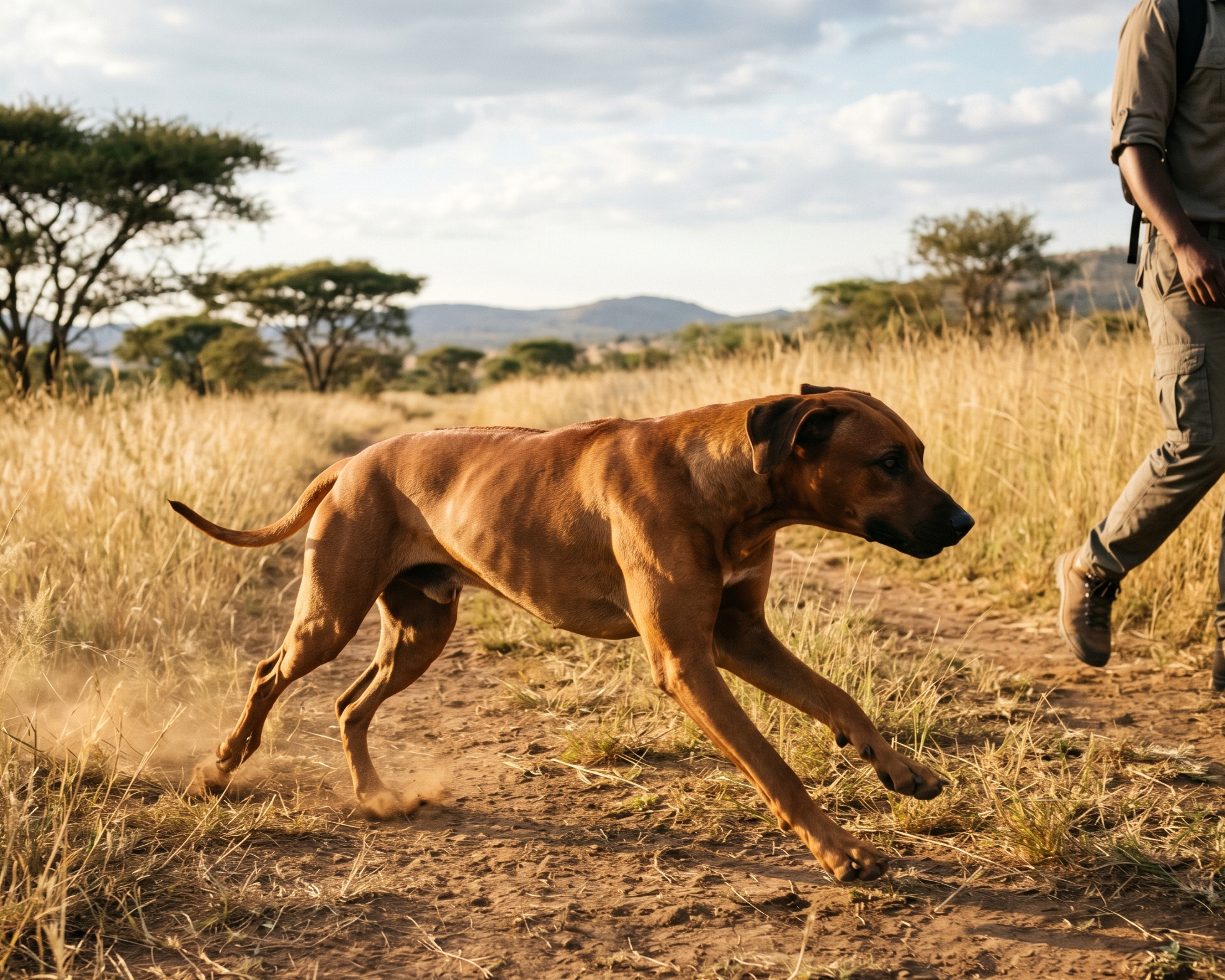
Fast running completely abandons symmetrical balance for explosive forward power. Dogs use asymmetrical gaits to chase fast prey. Scientists use dog movement mechanics to analyze greyhound sprinting exactly. The canter offers a useful rhythm for moderate speeds. Dogs actually prefer the rotary canter almost ninety percent of the time. However, the four-beat gallop achieves maximum absolute speed. Galloping forces the animal’s spine to bend and stretch violently. This massive spinal flexing brings the rear feet forward quickly. Subsequently, the dog launches completely into the air. Interestingly, different breeds achieve incredible speed using vastly different body shapes. A greyhound uses an incredibly flexible spine to sprint rapidly.
Conversely, a heavy basset hound struggles to achieve any aerial suspension at all. Scientists use special mathematical formulas to compare these varying sizes. The Froude number measures the relative physical effort required. Consequently, small spaniels work much harder than large shepherds. They maintain the exact same running speed on a track. The smaller dog simply must take many more rapid steps to keep up. Additionally, specific work requirements permanently change foundational timing. A herding border collie steps entirely differently than a heavy retrieving labrador.
Joint Angles And Dog Movement Mechanics
Bones form the physical framework. Veterinarians study specific joint angles to evaluate overall physical health. Proper shoulder blade angles allow incredibly long strides. Steep angles restrict forward movement heavily. They force the animal to take short, choppy steps continuously. Consequently, poor bone structure directly causes highly visible walking faults. Evaluating dog movement mechanics reveals why certain dogs walk sideways. Dogs do this to prevent their feet from colliding. The knee joint experiences massive physical stress during everyday running. Special ligaments inside the knee prevent the leg bones from twisting.
These crucial bands hold the entire leg structure perfectly stable. Unfortunately, sharp turns put intense shearing forces on these internal ligaments. This specific physical strain explains why dogs frequently tear their knee ligaments. Veterinarians accurately record standard joint angles to track healing after surgery. They use a simple measuring tool called a goniometer for this task. Surprisingly, radically different dog breeds share very similar standard joint angles. A tiny bulldog actually bends its joints exactly like a massive rottweiler. The spine also plays a huge role in forward movement. A rigid middle spine effectively protects the vital internal chest organs. Meanwhile, the lower back bends freely to transfer running power forward. Long-backed dachshunds sway heavily, causing painful slipped spinal discs.
A balanced, healthy diet is crucial for maintaining optimal mobility.
The Physics Of Bone Articulation
Physical forces drive every single step. Special force plates easily measure the exact pressure hitting the ground. These precise measurements locate the animal’s exact center of mass perfectly. A dog naturally carries sixty percent of its weight up front. The deep chest and heavy head pull the balance forward. Consequently, the front legs act primarily as rigid structural supports. The lighter back legs function as the main propulsive mechanism. Studying amputee dogs reveals incredible physical adaptations over time.
Analyzing dog movement mechanics explains exactly how amputees balance dynamically. Losing a limb forces a dog to invent entirely new gaits. Front leg amputees face severe daily physical challenges. The single remaining front leg must quickly absorb massive daily impacts. It catches over fifty percent of the total running force. Alternatively, missing a back leg presents a completely different physical puzzle. Back leg amputees shift their weight heavily toward the front. They rigidly pull their front legs backward to prevent falling over. This clever adjustment perfectly balances the entirely missing rear pushing power.
Muscle Activity In Dog Walking Mechanics
Bones provide the rigid physical structure. Muscles actually generate the physical force. Electromyography sensors track exactly when specific muscles fire. This dog movement mechanics data reveals a surprising body design. Front leg pulling muscles stay perfectly quiet during a normal walk. They only fire violently during a fast, heavy trot.
The trot forces the front legs to absorb massive impacts. Therefore, front muscles tense up simply to keep delicate joints stiff. They firmly brace the entire leg against the hard ground. Meanwhile, the back leg muscles behave completely differently. Rear leg muscles rigidly push the dog forward with increasing force. As the dog accelerates, the rear muscles immediately work significantly harder. Interestingly, front muscles often fire right before the paw even lands. This early flexing heavily prepares the leg for the upcoming shock. It actively protects the delicate joint cartilage from sheer impact damage.
Evaluating Physical Stress In Working Breeds
Working dogs push dog movement mechanics to the absolute limit. Agility courses force large animals to bend their spines rapidly. A dog navigating weave poles faces incredibly high physical injury risks. Large dogs often smartly adopt a specific single-stepping style through poles. This highly efficient method cleanly prevents dangerous twisting in the lower back. Police dogs routinely jump over massive wooden obstacles during tough training exercises.
Landing from a high jump severely compresses the delicate front joints. These extreme physical impacts often cause hidden soft tissue injuries over time. Even simple obedience walking totally changes a dog’s natural weight distribution. A dog staring up at its handler actively shifts weight backwards. This unnatural posture totally disrupts the normal front-heavy weight balance. It harshly forces the rear legs to carry a heavy, unusual burden.
Closing Section On Canine Gait Analysis
Therapists use canine gait analysis to design much better physical recovery programs. Walking up steep hills steadily helps rebuild weak rear leg muscles. Underwater treadmills greatly reduce heavy weight on painful, healing joints. Warm water therapy lets dogs bend their knees safely without painful impact. Technology continues to improve our entire understanding of animal movement daily. Researchers now use tiny wearable sensors to track fast strides perfectly. These wireless devices easily replace clunky laboratory camera systems entirely.
High-tech pressure mats quickly reveal exactly how the paw absorbs physical shock. We now confidently know the outer paw pads handle significant running impacts. Dog movement mechanics proves that canines balance weight perfectly. They expertly manage heavy front loads while driving forward with intense power. Ultimately, this exact scientific research helps us keep our animals healthy. Veterinarians can easily spot subtle problems earlier using this incredibly precise data. Better measurements lead directly to safer sports and vastly faster surgical recoveries.