
Executive Summary
For certain dog breeds with special diets, the concept of a one-size-fits-all approach to food is fundamentally flawed. Through centuries of selective breeding, humans have created canine breeds with dramatically different genetic makeups. While this breeding has produced desirable physical traits, it has also inadvertently locked in specific metabolic defects within certain breed populations. These inherited anomalies mean that a standard, nutritionally complete commercial diet can actually be harmful, even fatal, for some dogs. This article explores five breeds with profoundly unique dietary requirements: the Dalmatian, with its uric acid metabolism defect; the Bedlington Terrier, which cannot process dietary copper; the Norwegian Lundehund, whose lymphatic system fails on normal fat levels; the Irish Setter, which suffers from gluten sensitivity; and the Miniature Schnauzer, prone to dangerously high blood fats. Understanding these conditions is essential for owners and breeders alike, as precise nutritional management is not optional but a lifeline for these special animals.
Introduction to Breed-Specific Dietary Requirements
For owners of dog breeds with special diets, feeding their pet can feel like a high-stakes gamble. Imagine feeding your dog what the label promises is a complete, balanced diet, only to discover it is slowly poisoning them. For owners of certain purebred dogs, this is not a hypothetical fear but a daily reality. The food that keeps a Labrador healthy and thriving can send a Bedlington Terrier into liver failure. This unsettling truth stems from the intense artificial selection that created the incredible diversity of dog breeds we see today. In chasing the perfect spot, the ideal coat, or the right body shape, breeders unintentionally cemented harmful genetic mutations alongside these desirable traits. Consequently, the canine species is not metabolically uniform; it is a patchwork of distinct populations, each with its own hidden vulnerabilities.
The Solution?
The solution to this problem lies not in rejecting modern veterinary science but in embracing its most precise applications. Veterinary nutritionists and geneticists have spent decades unravelling the specific metabolic pathways that go awry in these predisposed breeds. Their findings reveal that for some dogs, standard nutritional guidelines, like those set by regulatory bodies, are dangerously inadequate. The answer is a paradigm shift towards precision nutrition: tailoring the diet not just to the species, but to the unique genetic blueprint of the breed. This approach moves beyond generic feeding charts and instead focuses on manipulating specific nutrients to bypass inherited metabolic roadblocks.
To navigate this complex landscape, we must look closely at the science behind five distinct breeds. By exploring the genetic mutations, the pathophysiological mechanisms, and the clinical consequences, a clear picture emerges of what these dog breeds with special diets truly need to survive. From the biochemical quirk that links a Dalmatian’s spots to its bladder health, to the lymphatic fragility of the Norwegian Lundehund, each story underscores a vital lesson. The following sections will delve into the specific dietary interventions required for these breeds, highlighting the delicate balance between genetic legacy and nutritional management.
The Dalmatian: Inherited Metabolic Disorders in a Spotted Breed
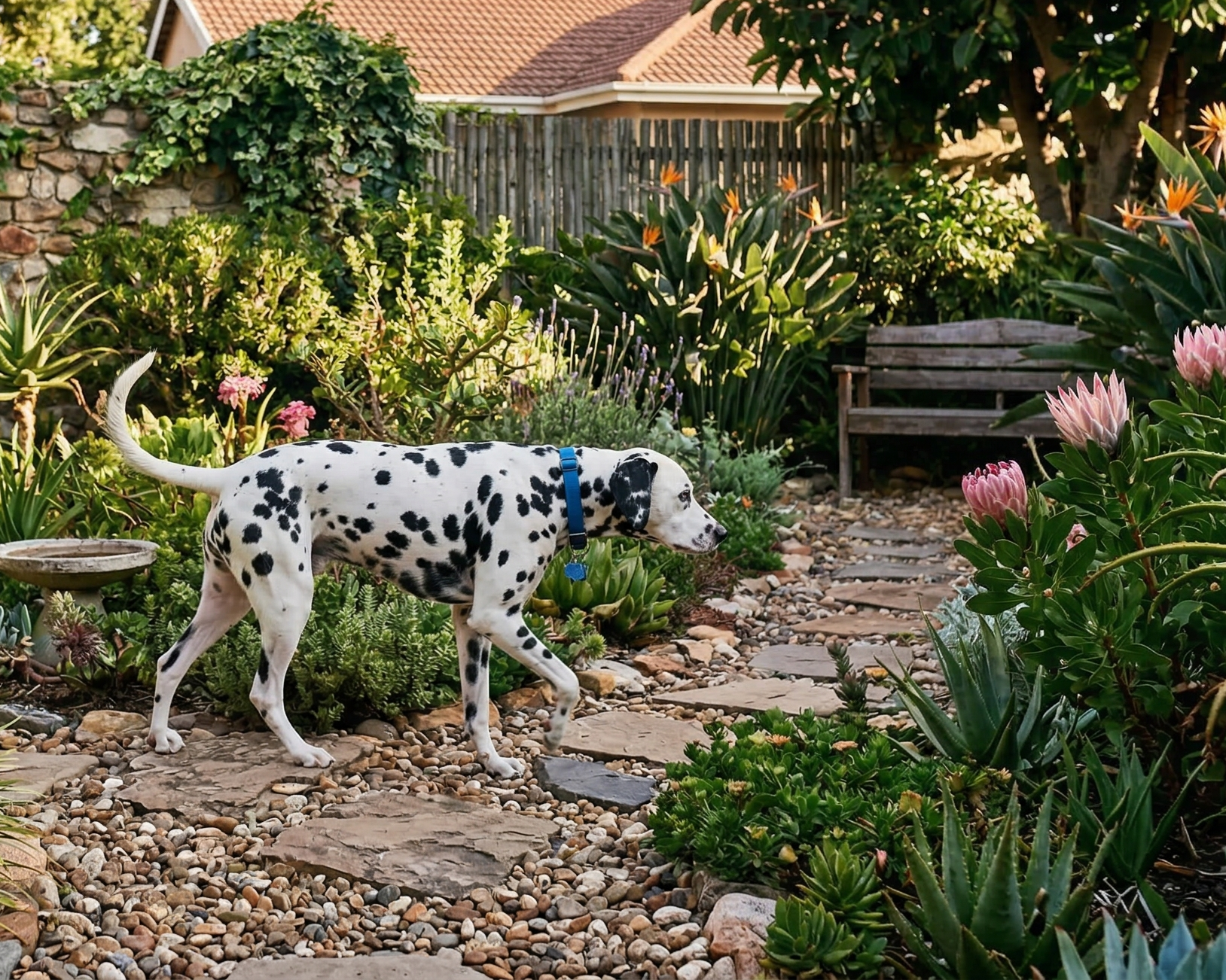
When considering dog breeds with special diets, the Dalmatian is perhaps the most famous example of a breed with a non-negotiable dietary rule. Their striking, unique spots are the very reason for their metabolic anomaly. For centuries, breeders selected dogs with the most perfect, heavily pigmented, and distinct spots. Unbeknownst to them, the gene responsible for that high-quality pigmentation is tightly linked to the gene causing a severe defect in purine metabolism. Because of this, the trait became fixed in the entire breed. Every purebred Dalmatian today is affected.
The Science of Urate Urolithiasis
To understand the Dalmatian’s dietary needs, you must first understand how most dogs process food. When a standard dog eats purines, compounds abundant in foods like organ meats, their body breaks them down. The final product of this breakdown is uric acid. In most breeds, the liver contains an enzyme called uricase, which quickly converts this uric acid into a harmless, water-soluble substance called allantoin, which is easily passed in urine.
The Specific Transport Defect in Dalmatians
The Dalmatian’s metabolic pathway hits a roadblock. They possess the uricase enzyme, but a genetic defect in the SLC2A9 gene impairs the transport mechanism that moves urate into the liver cells. The enzyme is present but cannot reach its target. As a result, the process stops at uric acid, leading to high levels in the blood, a condition known as hyperuricaemia.
Why Kidneys Make the Problem Worse
To make matters worse, the Dalmatian’s kidneys handle this excess uric acid differently, actively secreting it into the urine. This creates a perfect storm: highly concentrated uric acid in an acidic environment, which readily crystallises into sharp stones. These urate uroliths can cause immense pain, block the urethra, especially in males, and create a life-threatening emergency.
Managing a Low-Purine Life: Precision Feeding for Dogs
The cornerstone of managing a Dalmatian’s health is strict, lifelong dietary control. The primary goal is to reduce the amount of purine entering the system in the first place. This means feeding a diet exceptionally low in purines. Owners must become expert label readers, avoiding ingredients like organ meats, including liver, kidney, and heart, as well as yeast and certain fish.
Dog Breeds with Special Diets: Safe Food Choices for Affected Dalmatians
Instead, the diet should rely on purine-free protein sources such as eggs, dairy products like cottage cheese and milk, and specific plant-based ingredients. The goal is also to keep the urine alkaline, as uric acid crystals dissolve more readily in this environment. Furthermore, hydration is critical. Feeding a high-moisture diet, such as Vondi’s carefully prepared whole food, helps dilute the urine, reducing the concentration of uric acid and the likelihood of crystal formation.
Dog Breeds with Special Diets: The Role of Medication and Its Risks
In some cases, vets may prescribe a drug called allopurinol, which helps lower uric acid production. However, this medication comes with a serious caveat. If a Dalmatian on allopurinol eats a high-purine food, it can lead to the formation of even more problematic xanthine stones. Therefore, dietary indiscretion is not an option; for this breed, the food bowl is the front line of defence against a painful and costly medical crisis.
The Bedlington Terrier: Breed Health Management for Copper Toxicity
The Bedlington Terrier, with its distinctive, woolly coat, carries a genetic time bomb related to a seemingly benign mineral: copper. This breed is the classic model for a condition known as copper-associated hepatitis (CAH). A simple autosomal recessive mutation in the COMMD1 gene severely impairs the dog’s ability to excrete excess copper through the bile. Consequently, copper from the diet accumulates in the liver, year after year, with devastating effects.
The Accumulation of a Killer: Understanding Nutritional Genetic Conditions
In a healthy dog, the COMMD1 protein plays a vital role in escorting excess copper out of the liver. In affected Bedlington Terriers, this excretory pathway is broken. Normal amounts of dietary copper, which would be harmless to another breed, become trapped inside the liver cells. Over time, the liver’s storage capacity is overwhelmed.
Dog Breeds with Special Diets: Cellular Destruction from Copper Overload
Once inside the cells, these unbound copper ions act as tiny catalysts for destruction. They drive chemical reactions that produce massive amounts of reactive oxygen species, essentially, cellular rust. This oxidative stress ravages the hepatocytes, depleting their natural antioxidants and causing severe inflammation, scarring, and eventually, liver failure.
How Modern Diets Worsen the Condition
The problem is compounded by modern commercial pet food. Regulatory standards set by bodies like AAFCO mandate minimum copper levels but set no upper limit. Moreover, a shift towards highly bioavailable copper supplements in the late 1990s, combined with the use of copper-rich ingredients like liver in many ancestral diets, has led to a staggering increase in liver copper concentrations in the general dog population over the last century. For a Bedlington Terrier, these standard diets are a poison, proving why this is one of the most critical dog breeds with special diets.
The Necessity of Copper Restriction: Specialised Dog Nutrition
For a Bedlington Terrier, a standard commercial diet is out of the question. They require a specially formulated therapeutic diet with drastically restricted copper levels, typically aiming for around 4.8 ppm on a dry matter basis, far below the AAFCO minimum for general maintenance. This requires meticulous ingredient selection, eliminating high-copper components like organ meats and certain legumes.
Dog Breeds with Special Diets: When Diet Requires Pharmaceutical Help
Even with strict dietary control, some dogs may eventually need pharmacological intervention. Chelating agents like D-penicillamine are used to bind to the copper stored in the body, allowing it to be excreted through the kidneys. This detoxification process, however, is slow and difficult, often taking years. It is a monumental clinical undertaking that underscores the importance of prevention through diet. For the Bedlington Terrier, a low-copper diet is not a lifestyle choice; it is the only thing standing between the dog and a fatal hepatic crisis.
The Norwegian Lundehund: Unique Canine Nutritional Needs and Lymphatic Failure
The Norwegian Lundehund is a primitive and rare breed, originally used to hunt puffins on treacherous Norwegian cliffs. Centuries of isolation and severe population bottlenecks have resulted in extremely low genetic diversity. This has led to the near-universal presence of a debilitating and complex gastrointestinal disorder known as Lundehund Syndrome, placing them firmly among dog breeds with special diets.
A Lymphatic System Under Pressure: Genetic Predisposition in Dogs
Lundehund Syndrome is characterised by a catastrophic failure of the intestinal lymphatic system. In a healthy gut, tiny lymphatic vessels called lacteals, located within the intestinal villi, are responsible for absorbing dietary fats and transporting them, along with crucial proteins and immune cells, into the bloodstream. In the Lundehund, the structural integrity of these vessels is fundamentally compromised.
Dog Breeds with Special Diets: The Mechanism of Lymphatic Rupture
When the dog eats a meal containing normal levels of fat, the surge in fat absorption dramatically increases pressure within these fragile lymphatic vessels. Because they are inherently weak, they dilate pathologically and eventually rupture. This rupture, known as intestinal lymphangiectasia, causes chyle, a fluid rich in fats, proteins, and lymphocytes, to leak directly back into the intestine and be lost in the faeces.
The Lundehund Cascade: A Mechanical Failure
|
🥩
1. Fat Absorption
The dog consumes a standard meal containing normal long-chain triglycerides. The intestine immediately absorbs these heavy fats into the local lacteals.
|
💥
2. Vessel Rupture
Intense hydrostatic pressure rapidly builds within the inherently weak lymphatic vessels. Consequently, these swollen structures burst open entirely under the strain.
|
📉
3. Nutrient Loss
Crucial chyle directly leaks back into the intestinal tract. The dog tragically loses vital proteins, essential immune cells, and necessary dietary fats.
|
Dog Breeds with Special Diets: Clinical Consequences of Protein Loss
This creates a protein-losing enteropathy (PLE). The dog literally leaks its vital nutrients away. Clinically, this manifests as chronic diarrhoea, severe weight loss, fluid accumulation in the abdomen or limbs (oedema), and a compromised immune system due to the loss of white blood cells.
The Ultra-Low-Fat Imperative: Veterinary Therapeutic Diets
Because the mechanical trigger for this lymphatic rupture is the absorption of long-chain triglycerides, common dietary fats, the cornerstone of managing Lundehund Syndrome is an ultra-low-fat diet. The goal is to minimise the production of chylomicrons, the fat packages that enter the lymph, thereby reducing the hydrostatic pressure on the fragile lacteals and preventing their rupture.
Practical Feeding Strategies for Lundehunds
This strategy requires feeding a diet with severe fat restriction. To compensate for the loss of protein, the diet must also be rich in highly digestible proteins. Feeding small, frequent meals throughout the day, rather than one or two large ones, helps to avoid sudden spikes in lymphatic pressure. Furthermore, these dogs often require supplementation with vitamin B12 (cobalamin), as the damaged gut cannot absorb it properly.
Why Strict Adherence Is Non-Negotiable
Strict adherence to this low-fat protocol is often the only thing that can sustain a Lundehund’s life. It is a condition managed not by curing the underlying defect, but by meticulously removing the dietary trigger that causes the physical damage.
The Irish Setter: Breed-Specific Dietary Requirements for Gluten Sensitivity
The elegant Irish Setter is another breed whose health is intrinsically linked to a specific dietary component: gluten. This breed suffers from a gluten-sensitive enteropathy (GSE) that shares striking similarities with human coeliac disease. It is an inherited condition, passed down through an autosomal recessive pattern, meaning a dog must receive the faulty gene from both parents to be affected.
The Leaky Gut Connection: Understanding Immune Dysregulation
The problem in affected Irish Setters begins before they even eat gluten. Research has shown that genetically susceptible dogs have a primary defect in their intestinal barrier. Their guts are inherently leakier than those of other breeds.
How Gluten Triggers the Immune Response
This increased intestinal permeability allows large, undigested fragments of gluten proteins, specifically the gliadin found in wheat, barley, and rye, to slip through the gut wall and into the underlying tissue. Once there, these foreign proteins are detected by the local immune system. This primes the immune system to attack, essentially creating a permanent sensitivity.
The Destructive Cascade in the Gut
Then, upon subsequent exposure to gluten, the primed immune system launches a full-scale assault. A massive influx of inflammatory cells invades the lining of the small intestine, causing the delicate, finger-like villi to become blunted and inflamed. This destruction of the gut’s absorptive surface leads to chronic diarrhoea, poor weight gain, a dull coat, and malabsorption of essential nutrients.
Total and Permanent Gluten Exclusion: Custom Feeding Protocols
The treatment for this condition is absolute and unequivocal: the complete and lifelong removal of gluten from the diet. There is no room for compromise. Even trace amounts of gluten from cross-contaminated ingredients can trigger the inflammatory cascade and cause significant damage.
Building a Safe, Gluten-Free Diet
This means the Irish Setter’s diet must be based on gluten-free carbohydrate sources like rice or potatoes. All grains containing gluten, including wheat, barley, rye, and oats, must be strictly avoided. Owners must become meticulous label readers, checking for hidden sources of gluten in everything from the main kibble to the smallest training treat.
The Promise of Early Intervention
The good news is that when the diet is strictly controlled, the clinical signs typically resolve within weeks, and the gut can heal. Interestingly, research suggests that if puppies from affected lines are raised on a gluten-free diet from birth, their response to a later gluten challenge may be significantly milder. This points to a powerful prophylactic strategy for breeders: preventing the initial immune priming by withholding gluten during the critical early development of the puppy’s gut. For owners of these dog breeds with special diets, this knowledge is invaluable.
The Miniature Schnauzer: Specialised Dog Nutrition for Fat Metabolism
The Miniature Schnauzer is a beloved, lively companion, but behind that bearded face lies a profound and common metabolic predisposition to hyperlipidemia, specifically severe hypertriglyceridaemia. Unlike other dogs that might develop high blood fats secondary to diseases like diabetes or hypothyroidism, the Miniature Schnauzer’s condition is primary and hereditary. It is an intrinsic flaw in how they process lipids, confirming their status as one of the key dog breeds with special diets.
A Failure to Clear Fats: The Polygenic Nature of the Disorder
To grasp this condition, one must understand the normal journey of fat. When a dog eats, dietary fats are packaged into particles called chylomicrons in the intestine. Simultaneously, the liver produces its own fat-rich particles called VLDL. Both chylomicrons and VLDL are loaded with triglycerides, the main type of fat in the blood.
The Enzyme System That Normally Clears Fat
For the body to use these fats for energy, an enzyme called lipoprotein lipase (LPL) must break down the triglycerides. This process relies on several protein cofactors to function correctly. In a significant percentage of Miniature Schnauzers, affecting roughly one-third of adults and over three-quarters of dogs older than nine, this clearing mechanism fails.
The Alarming Consequences of High Triglycerides
Their fasting triglyceride levels can skyrocket to 800 or even 1,000 mg/dL, compared to a normal high of around 150 mg/dL. This persistent, thick, milky plasma is not benign. It is directly linked to a dramatically increased risk of life-threatening acute pancreatitis, which can be fatal. It also contributes to the formation of gallbladder mucoceles, liver disease, and even neurological issues like seizures. The exact genetic cause is complex and polygenic, meaning it results from the cumulative effect of several small genetic variants rather than a single smoking gun mutation.
The Cornerstone of Fat Restriction: Managing with Veterinary Therapeutic Diets
Because the genetic defect cannot be corrected, the management of hypertriglyceridaemia in the Miniature Schnauzer rests entirely on strict dietary manipulation. The primary intervention is a drastic and permanent reduction in dietary fat. A standard maintenance diet simply contains too much lipid for the Schnauzer’s compromised system to handle.
What Ultra-Low-Fat Really Means
Veterinary nutritionists recommend transitioning affected dogs to ultra-low-fat diets, typically containing less than 8-10% fat on a dry matter basis. This severe restriction starves the exogenous lipid pathway, drastically reducing the number of chylomicrons entering the bloodstream from the gut. Clinical studies have shown that this approach can be remarkably effective, with median triglyceride levels dropping by over 60% within just two months of dietary change.
The Added Benefit of Omega-3 Supplementation
However, because a low-fat diet primarily targets fats coming from food, it may not fully address the fats produced internally by the liver, the endogenous pathway. To tackle this, diets are often supplemented with high doses of marine-sourced omega-3 fatty acids. These work on the liver itself, suppressing the production of new fats and enhancing their breakdown. This dual approach, restricting dietary fat while supplementing with omega-3s, provides the best chance of keeping triglyceride levels in a safe range and preventing a devastating bout of pancreatitis.
Frequently Asked Questions About Dog Breeds with Special Diets
What are purines and why are they bad for Dalmatians?
Purines are natural compounds found in many foods, especially organ meats, yeast, and certain fish. In most dogs, purines are broken down into uric acid, which is then converted by the liver into a harmless substance called allantoin and excreted. Dalmatians have a genetic defect that prevents this final conversion step, causing uric acid to build up in the blood and urine. This excess uric acid can crystallise into painful bladder stones, making a low-purine diet essential.
How do I know if my Bedlington Terrier has copper storage disease?
The early signs of copper-associated hepatitis can be subtle and may include lethargy, reduced appetite, and weight loss. As the disease progresses, more specific symptoms like jaundice (yellowing of the gums and eyes), increased thirst and urination, and abdominal swelling may appear. However, the condition can only be definitively diagnosed by a veterinarian through specific blood tests and a liver biopsy to measure the actual copper concentration in the liver tissue.
Can a Norwegian Lundehund ever eat a normal dog diet?
No, a Norwegian Lundehund with Lundehund Syndrome cannot safely eat a standard canine diet. The normal fat content in commercial dog food will trigger the rupture of their fragile intestinal lymphatic vessels, leading to a life-threatening protein-losing enteropathy. They require a specially formulated, ultra-low-fat diet for their entire life to prevent this catastrophic cascade.
Is gluten-free dog food just a trend, or do Irish Setters really need it?
For Irish Setters with gluten-sensitive enteropathy, a gluten-free diet is not a trend; it is a medical necessity. This is a proven, inherited condition where gluten triggers an immune response that damages the gut lining. Without a strict, lifelong gluten-free diet, affected dogs will suffer from chronic digestive issues, malabsorption, and failure to thrive. For the general dog population without this specific genetic mutation, gluten is not an issue.
What are the symptoms of high fat in a Miniature Schnauzer?
Many dogs with hypertriglyceridaemia show no obvious symptoms at first. However, persistently high fat levels put them at constant risk for acute pancreatitis, which has dramatic symptoms including severe vomiting, abdominal pain (often seen as a hunched back or whimpering), lethargy, and loss of appetite. Other signs can include seizure activity, fatty lumps under the skin (lipomas), and milky-looking blood vessels in the eyes.
Are there any other breeds prone to copper accumulation?
While the Bedlington Terrier is the classic example, the research indicates that copper-associated hepatopathy is increasingly being diagnosed in other breeds. This includes Labrador Retrievers, Dalmatians, and several other terrier breeds. This rise is partly attributed to the high bioavailability of copper in modern commercial diets, which can overwhelm the hepatic excretory pathways of genetically susceptible dogs, even if they don’t have the specific Bedlington mutation.
What exactly is a low-purine diet for a Dalmatian?
A low-purine diet for a Dalmatian focuses on protein sources that are virtually purine-free. Safe options include eggs, dairy products such as cottage cheese, yogurt, and milk, and certain plant-based proteins. The diet must strictly avoid organ meats (liver, kidney, heart), game meats, yeast, and many types of fish. The goal is to minimise the purine load entering the body to reduce the production of uric acid.
How can I make sure my Irish Setter’s food is truly gluten-free?
Ensuring a diet is truly gluten-free requires careful label reading. Look for dog foods that explicitly state gluten-free on the packaging. Avoid any food containing wheat, barley, rye, or oats. Be aware that gluten can hide in unexpected places, such as in some gravies, treats, and flavourings. When in doubt, contact the pet food manufacturer directly to confirm their ingredient sourcing and manufacturing processes to rule out cross-contamination.
Why is the Norwegian Lundehund’s syndrome so hard to manage?
Lundehund Syndrome is difficult to manage because it is a structural, mechanical problem, not just a simple enzyme deficiency. The lymphatic vessels are physically weak and prone to rupture under normal physiological pressure. Dietary management aims to reduce that pressure, but it requires extreme fat restriction, which can make food less palatable. Additionally, these dogs often have concurrent issues like chronic gastritis and an inability to absorb vitamin B12, requiring a multi-faceted approach.
If I have one of these breeds, should I cook for my dog at home?
Home cooking for a dog with a complex metabolic disorder is a significant challenge. While it offers complete control over ingredients, formulating a diet that is precisely balanced for all essential nutrients while meeting the strict therapeutic goals, like ultra-low copper or fat, requires the expertise of a board-certified veterinary nutritionist. It is highly recommended to work closely with your veterinarian to choose a reputable commercial therapeutic diet or to formulate a safe and complete home-cooked recipe.
Dog Breeds with Special Diets: Closing Thoughts on Breed Health Management
The incredible diversity among dog breeds with special diets is a testament to the power of selective breeding. Yet, as we have seen, this power has a price. The very traits we cherish in breeds like the Dalmatian, the Bedlington Terrier, and the Norwegian Lundehund are, in some cases, genetically inseparable from serious metabolic vulnerabilities. This reality shifts the responsibility of ownership from simple provision to active, informed guardianship.
You have learned that for these five special breeds, the concept of a standard, balanced diet does not apply. The Dalmatian’s need for purine control, the Bedlington’s requirement for copper restriction, the Lundehund’s dependence on ultra-low fat, the Irish Setter’s gluten-free imperative, and the Miniature Schnauzer’s need for lifelong fat management all point to the same conclusion. Nutrition is not a one-size-fits-all affair; it is a powerful, targeted therapy. By understanding the unique genetic hand their dog has been dealt, owners can make choices that prevent suffering and extend lives. This is the essence of precision nutrition, and for these breeds, it is the key to a long and healthy future.
References and Further Reading