
Executive Summary
Understanding dog and human emotions reveals a fascinating, deeply rooted biological connection. Accordingly, recent scientific models demonstrate that humans and canines share the exact same core neurological structures. Consequently, these shared pathways process all basic feelings. Therefore, our continuous interactions directly alter their physical brain development. In response, conscious handling significantly improves systemic health. Ultimately, owners hold the power to actively regulate their animal’s stress levels through guided connection. Overall, this physiological approach protects both mental and physical stability.
Decoding Dog and Human Emotions
Researching dog and human emotions fundamentally shifts our understanding of interspecies relationships. Historically, people assumed animals processed feelings differently. However, contemporary veterinary science paints a radically new picture. Specifically, modern affective neuroscience proves that basic emotional responses originate deep within the brain’s subcortical structures. Crucially, these ancient regions are homologously shared across all mammals. As a result, animals genuinely experience primal feelings. They utilise the exact same physiological circuitry for processing fear and joy that we do every single day. Following this discovery, scientists successfully validated the progressive One Health-One Welfare perspective. Consequently, this model recognises our shared vulnerabilities. Ultimately, treating behavioural issues demands addressing their internal physiological reality first.
Shared Human Dog Brain Anatomy
Exploring this shared architecture introduces the concept of emotional transfer. To illustrate, an animal continuously monitors the environment. Subsequently, internal threat detection mechanisms govern their entire physical baseline. When perfectly secure, the nervous system permits relaxed behaviour. Conversely, danger spikes arousal instantly. Throughout this process, dogs subconsciously mirror the shifting emotional states of their designated handlers with remarkable accuracy. For this reason, a highly stressed owner inadvertently transmits severe anxiety directly into their perceptive companion. Naturally, embodied communication forms a reciprocal loop. Because of this, remaining outwardly calm provides immediate psychological relief. Managing dog and human emotions requires acknowledging this invisible, continuous communication exchange occurring between species. In this way, humans actively shape the surrounding atmosphere.
Dog Brain Emotion Processing and Early Adversity
Because of this high sensitivity, early life experiences carry enormous physiological weight. In particular, a puppy’s environment physically wires its developing neural networks for life. Sadly, early social deprivation profoundly alters the midbrain dopamine system. Consequently, adversity damages the specific pathways responsible for processing threats. Specifically, the amygdala and prefrontal cortex suffer permanent structural changes following early, severe trauma. As a direct result, these affected animals struggle significantly to modulate fear later in adulthood. Without a secure foundation, minor disruptions trigger intense panic responses. Therefore, providing a secure environment during early development is absolutely essential. By comparison, positive socialisation builds a robust neurological framework. Ultimately, this critical foundation yields a highly resilient physiological system capable of handling future environmental challenges effectively.
Navigating the Canine Human Emotional Bond
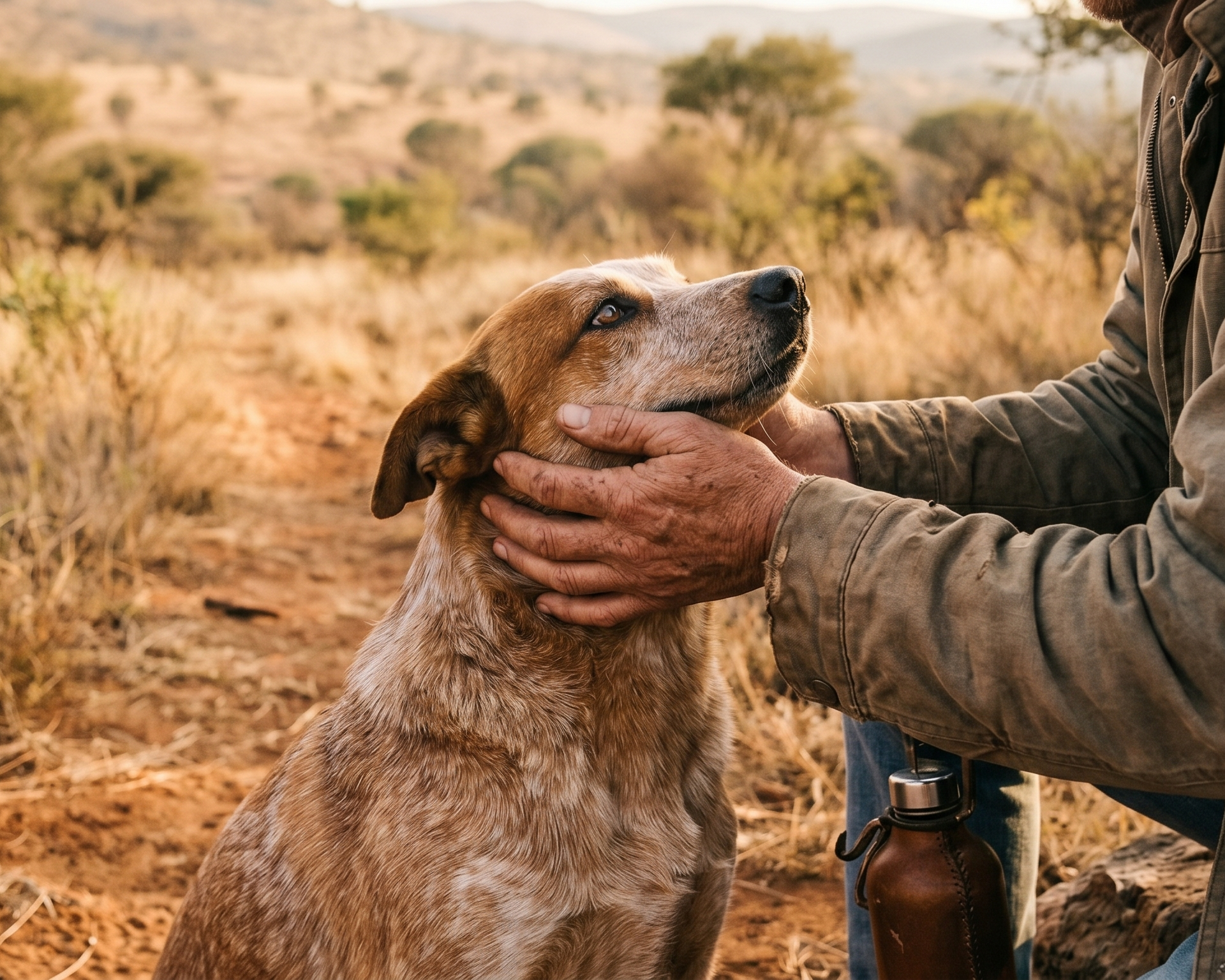
Thankfully, handlers possess incredible tools to influence this dynamic system positively. Accordingly, scientists outline a mechanism known as interactive emotional regulation. In practice, humans can actively calm their animals during highly stressful events. By offering close physical proximity, handlers directly help downregulate a heightened subcortical arousal response. In addition, shared affiliative activities naturally buffer the systemic stress reaction. Through appropriate tactile engagement, the human nervous system acts as a grounding anchor. Simultaneously, this physical connection systematically lowers heart rates across both interacting species. Following a stressful event, mutual buffering significantly speeds up the neurological recovery phase. Consequently, understanding dog and human emotions transforms standard training into profound mutual support. By relying strictly on documented neurobiology, modern practitioners happily discard outdated dominance theories entirely.
Cultivating the Human Dog Emotional Connection
In conclusion, the scientific community validates the deep bond we share with our animals. By applying these ethological principles, owners prevent severe behavioural issues proactively. Uniquely, managing dog and human emotions establishes a neurologically sound relationship. Thus, focusing on safety signals reduces daily anxiety systematically. Consequently, both species experience a vast improvement in their comprehensive well-being. Looking forward, applied animal research continues to refine these interaction models. Thus, mindful interactions remain the ultimate key to a stable, healthy life together.
Frequently Asked Questions
How does early adversity affect a puppy?
Sadly, early stress fundamentally alters critical brain structures. As a result, the animal loses the ability to properly modulate fear. Consequently, their reward circuitry also malfunctions permanently. Therefore, early trauma requires specialised, patient rehabilitation strategies.
What is interactive emotional regulation?
Functionally, this describes how humans and animals mutually buffer each other. For example, calm handling actively downregulates an animal’s internal stress response. Similarly, physical proximity provides a profound sense of safety. Thus, the handler becomes a biological anchor.
Do canines experience feelings identically to humans?
Remarkably, yes. Modern research confirms that basic feelings originate in identical subcortical brain regions across both species. Consequently, we share the exact same physiological circuitry for primary emotional responses. Because of this, their stress feels intensely real.