

Executive Summary
Copper and manganese balance gets discussed as a pair. Both minerals depend on how the body handles other minerals around them. Copper causes far more trouble in excess than in short supply. Certain breeds struggle to clear it from the liver. Manganese sits quietly in the background and usually falls short in meat-heavy diets rather than building up. This piece explains both sides and points to foods that keep each mineral where it should be.
Copper and manganese balance rarely comes up by name. Yet both minerals ride on the same regulatory system inside a dog’s body. Extra zinc can push copper down, and extra calcium can push both copper and manganese down at once. Most owners never notice, since a balanced commercial diet already accounts for this. The risk grows when supplements or home-prepared meals upset that balance without meaning to.
Why Copper And Manganese Balance Usually Tips Toward Excess
Copper supports iron metabolism and connective tissue strength. It also feeds several antioxidant enzymes that protect cells from damage. True deficiency is rare and mostly shows up as anemia or a duller coat. Excess is the real concern, and this is where copper and manganese balance tips hardest. Certain breeds, including the Bedlington Terrier and Labrador Retriever, struggle to clear copper from the liver. Cornell University’s veterinary college notes a rise in these cases over the past decade. Part of this is tied to copper levels in commercial food. AAFCO sets the adult minimum at 7.3 milligrams per kilogram, rising to 12.4 for growing puppies. Liver is naturally rich in copper, which is exactly why it needs feeding in moderation rather than daily.
Manganese is the other half of copper and manganese balance. It helps form bone and cartilage, and runs a separate set of antioxidant enzymes. True deficiency and true excess are both rare in dogs. Manganese carries a much smaller safety concern than copper does. The real issue is getting enough of it, since ordinary meat supplies very little. Meat-heavy raw diets are the ones most likely to tip copper and manganese balance toward a manganese shortfall. AAFCO sets the adult minimum at 5 milligrams per kilogram, rising to 7.2 for growing puppies.
Foods That Supply These Minerals Safely
Liver remains the strongest natural source of copper. It works best as an occasional addition to copper and manganese balance rather than a daily one.
A Practical Option
Vondis Venison Liver Biltong 100g
Vondis Venison Liver Biltong 100g
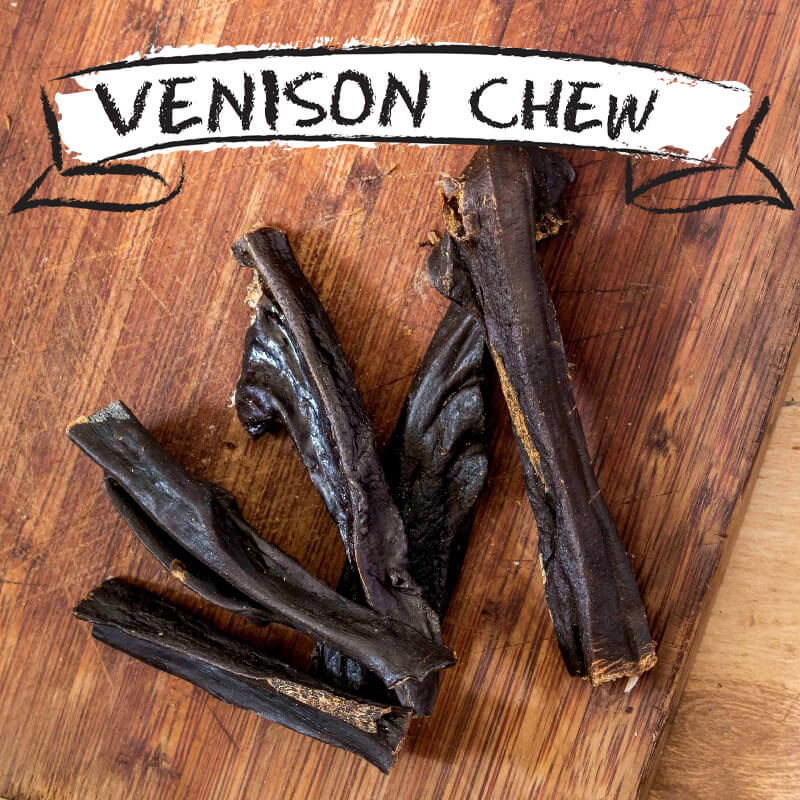
This venison liver treat carries natural copper alongside its novel protein content, useful for dogs sensitive to beef or chicken. Liver is naturally concentrated in copper, so it fits best as an occasional reward rather than a daily staple, especially for breeds prone to copper storage.
Oysters and mussels add copper without the concentration liver carries, which makes them a gentler daily option. Whole grains and leafy greens are reliable manganese sources for dogs that tolerate plant ingredients well. None of this calls for extra supplements on top of a complete diet. Stacking sources is how copper and manganese balance tips too far in one direction.
Copper and manganese balance is worth a mention at the vet if a predisposed breed is involved. Early monitoring catches copper problems long before symptoms show. For everyone else, a complete diet and a light hand with liver treats is usually all it takes.