
Executive Summary on Canine Throat Infection Treatment
Effective canine throat infection treatment addresses a highly complex spectrum of inflammatory and contagious respiratory diseases. These conditions range from mild localized inflammation to highly aggressive, life-threatening systemic syndromes. Furthermore, the inherent anatomical crossover of the respiratory and digestive tracts renders this region exceptionally vulnerable to physical trauma and pathogenic invasion. Consequently, successfully managing these diverse conditions demands a decisive shift away from reactive, empirical treatments. Veterinary professionals must now utilise highly advanced molecular diagnostics and strictly targeted antimicrobial therapies. Ultimately, rigorous adherence to modern immunisation protocols remains the most effective strategy for preventing devastating population-level outbreaks.
Introduction to Canine Throat Infections
Understanding canine throat infection treatment begins with recognising that the upper respiratory tract and oropharyngeal cavity represent a highly complex and remarkably vulnerable anatomical intersection. This specific region serves absolutely critical, dual functions in both the respiratory and digestive systems of the dog. Because it constantly filters inhaled air and processes ingested food, the throat faces continuous exposure to massive environmental threats. Consequently, this inherent dual functionality renders the delicate mucosal tissues exceptionally susceptible to a diverse array of aggressive infectious agents. Throat infections in canine patients encompass a broad, unpredictable spectrum of localized inflammatory conditions and highly contagious systemic syndromes.
Understanding the precise cellular pathogenesis and broader epidemiological dynamics of these infections is paramount for successful clinical intervention. The delicate biological interplay between the canine host’s natural microbiota, invading opportunistic pathogens, and overarching environmental stressors entirely dictates disease progression. Furthermore, the continuous global emergence of novel viral strains heavily complicates the standard approach to veterinary respiratory medicine. Simultaneously, the persistent, underlying threat of endemic bacterial pathogens absolutely necessitates a rigorous, highly evidence-based approach to clinical management. Therefore, veterinary professionals must constantly adapt their therapeutic strategies to combat these rapidly evolving and highly resilient microbial threats.
The clinical manifestations of these oropharyngeal conditions inflict profound physical discomfort and systemic distress upon the affected canine patient. Symptoms can escalate rapidly from mild, self-limiting vocal changes to severe, life-threatening airway obstruction and descending bacterial bronchopneumonia. Furthermore, the highly contagious nature of these respiratory syndromes creates massive anxiety and emotional exhaustion for dedicated pet caregivers. Unchecked outbreaks in kennels or urban areas frequently devastate local populations and completely shatter the human-animal bond. Consequently, proactive disease management and rigorous preventative healthcare are absolutely essential to protect both individual patients and broader canine communities.
The Clinical Challenge of Dog Respiratory Syndromes
Owners frequently confront a terrifying reality when their dogs suddenly develop violent, highly contagious respiratory symptoms. A simple visit to a boarding kennel or local park can instantly expose a naive dog to aggressive, aerosolised pathogens. Following exposure, the rapid onset of severe, paroxysmal coughing or acute choking leaves caregivers feeling completely helpless and deeply panicked. Furthermore, identifying the specific underlying cause proves incredibly difficult because completely different viruses and bacteria produce virtually identical clinical signs. This diagnostic ambiguity frequently leads to ineffective, prolonged treatments that drain owner finances and prolong the animal’s suffering significantly.
The Clinical Solution for Canine Throat Infection Treatment
Resolving these severe respiratory syndromes requires a highly structured, scientifically advanced approach to canine throat infection treatment and pharmacological management. By deploying cutting-edge multiplex molecular panels, clinicians can precisely identify the exact viral or bacterial agents driving the clinical outbreak. Simultaneously, the strategic implementation of targeted, culture-backed antimicrobial therapies actively combats the rising, dangerous threat of multidrug-resistant bacteria. Furthermore, enforcing rigorous, lifestyle-appropriate immunisation protocols actively fortifies the host’s mucosal immunity before an infection can ever take hold. This proactive, highly integrated strategy rapidly eradicates active infections and definitively halts the spread of highly contagious respiratory diseases.
Bridging Science and Practice in Canine Throat Infection Treatment
Comprehending the mechanics behind these advanced clinical interventions requires a deep, forensic examination of canine respiratory anatomy. We must meticulously investigate how specific viral vanguards and opportunistic bacterial invaders actively dismantle the host’s natural biological defences.
Anatomical and Physiological Context of Canine Throat Infections
The canine throat structurally divides into the pharynx, the larynx, and specialized local lymphoid tissues. The pharynx acts as a crucial musculomembranous tube that orchestrates the incredibly intricate, life-sustaining processes of swallowing and respiration. It actively ensures that ingested matter enters the oesophagus while inhaled air correctly diverts directly into the protective larynx. The larynx subsequently acts as the definitive, highly sensitive gatekeeper to the vulnerable lower respiratory tract. Furthermore, it contains the vocal folds and relies on precise neurological coordination to protect the airway from fatal aspiration.
The Mucociliary Escalator in Dog Respiratory Syndromes
The entire respiratory mucosa features specialized ciliated epithelium interspersed with active, mucus-secreting goblet cells. This highly structured biological arrangement forms the mucociliary escalator, which serves as the host’s primary innate mechanical defence mechanism. Inhaled environmental pathogens become physically trapped in the viscous mucosal layer covering the respiratory tract lining. Subsequently, the synchronized, rhythmic beating of microscopic cilia continuously propels this trapped debris upward toward the pharynx. Once the debris reaches the pharynx, the dog safely swallows the material, allowing harsh gastric acids to destroy the pathogens.
Augmenting this vital mechanical defence is the highly active mucosal immune system, prominently featuring the palatine tonsils. These specialized structures operate as crucial collections of unencapsulated lymphoid tissue situated deeply within the caudal oropharynx. They continuously sample incoming microscopic antigens from inspired air and ingested food to initiate targeted, highly specific immune responses. Specifically, they produce secretory antibodies designed to actively neutralise potential respiratory pathogens before they can disseminate systemically.
Canine Laryngitis: Symptoms Prompting Canine Throat Infection Treatment
Canine laryngitis denotes the acute or chronic, highly painful inflammation of the laryngeal mucosa and the delicate vocal folds. Because the larynx controls sound production, the absolute hallmark clinical manifestation is a severe alteration in normal canine vocalisations. Affected dogs frequently develop a pronounced hoarseness or produce a distinctly harsh, raspy sound during normal barking episodes. Furthermore, in highly severe cases, the intense swelling can induce a complete, highly distressing loss of the bark entirely. The intense inflammatory process induces significant vascular engorgement and massive fluid retention within the delicate laryngeal mucosal tissues. Consequently, this severe swelling actively disrupts the required vibratory mechanics and critically compromises the internal diameter of the patient’s airway.
The aetiology determining canine throat infection treatment is highly multifactorial, encompassing both aggressive infectious agents and severe non-infectious catalysts. Infectious viruses and highly destructive bacteria frequently induce direct, severe cytopathic damage to the exposed laryngeal epithelial cells. Alternatively, mechanical trauma serves as a massive, frequently observed primary instigator for acute laryngeal inflammation in veterinary clinics. Excessive, continuous barking in stressful kennel environments causes extreme friction-induced microtrauma to the delicate vocal folds directly. Furthermore, underlying systemic health issues, particularly undetected hypothyroidism, can slowly precipitate dangerous, irreversible conditions like laryngeal paralysis.
Canine Pharyngitis: Inflammatory Mechanisms and Obstruction Risks
Pharyngitis involves the localized, highly painful, and frequently diffuse inflammation of the muscular pharyngeal walls. Because the pharynx acts as a primary geographical crossroad, it frequently suffers the very first wave of intense inflammatory activity. Dogs possess an incredibly common, highly dangerous clinical habit of indiscriminately chewing on entirely inappropriate, sharp objects. These reckless actions frequently result in foreign bodies becoming violently and deeply lodged within the soft pharyngeal tissues. Splintered animal bones, sharp wooden sticks, and invasive porcupine quills regularly penetrate the mucosal barrier during outdoor exploration. This traumatic penetration instantly introduces highly concentrated, dangerous oral bacteria deep into the otherwise sterile submucosal tissue layers.
Patients requiring canine throat infection treatment generally maintain a surprisingly normal physiological desire to consume food and water. However, despite their clear hunger, these patients exhibit marked, severe pain upon swallowing due to intense localized tissue irritation. Consequently, affected dogs will eagerly approach a food bowl but immediately retreat while dropping food from their mouths. If a penetrating foreign body remains undetected, the localized bacterial infection will rapidly evolve into a walled-off retropharyngeal abscess. This rapidly expanding accumulation of purulent material can forcefully push outward and completely obstruct the patient’s vital upper airway.
Canine Tonsillitis: A Target for Canine Throat Infection Treatment
The canine tonsils reside quietly within small, bilateral pouches known as tonsillar crypts at the back of the throat. Tonsillitis occurs when these vital lymphoid structures become completely overwhelmed by a massive infectious burden or chronic environmental irritation. When acutely inflamed, the tonsils bulge prominently out of their protective crypts, appearing as bright red, fleshy, obstructive masses. Primary tonsillitis remains a relatively uncommon presentation, selectively affecting small and toy breeds without any identifiable underlying systemic disease. Conversely, secondary tonsillitis arises directly as a devastating biological consequence of persistent inflammation originating elsewhere in the canine oral cavity.
The single most frequent precipitating factor for secondary tonsillitis is severe, advanced, and entirely unmanaged periodontal disease. The massive accumulation of dental calculus harbours extraordinarily dense, structured, and highly pathogenic bacterial biofilms along the gumline. The constant shedding of these dangerous bacteria into the oropharyngeal space continually challenges and eventually exhausts the tonsillar immune tissues. Furthermore, patients suffering from chronic regurgitation repeatedly expose their delicate oropharyngeal tissues to highly acidic, destructive gastric contents. This chronic chemical irritation effectively strips the mucosal defences, rendering the tonsils highly susceptible to persistent secondary bacterial colonisation.
The Canine Infectious Respiratory Disease Complex (CIRDC)
The Canine Infectious Respiratory Disease Complex operates not as a singular disease, but rather as a highly endemic, exceptionally contagious clinical syndrome. The precise aetiology involves a highly dynamic, destructive interplay of numerous viral and bacterial pathogens acting entirely synergistically. The hallmark clinical sign remains a paroxysmal, incredibly harsh, non-productive cough that vividly mimics a honking goose. Owners frequently panic, falsely believing that their dog has a physical object dangerously lodged deep within its throat. While uncomplicated cases appear relatively mild, highly virulent strains can rapidly descend into the lungs to cause fatal haemorrhagic bronchopneumonia.
Viral Agents Complicating Canine Throat Infection Treatment
Viral pathogens initiate the devastating respiratory assault by actively hijacking and aggressively destroying the ciliated epithelial cells entirely. Canine Adenovirus Type 2 exhibits a strict, highly specialized cellular tropism for the vulnerable canine respiratory epithelium. Because it lacks a fragile viral envelope, it demonstrates exceptional, highly dangerous environmental resilience on shared surfaces and kennel walls. Canine Parainfluenza Virus represents another incredibly prevalent primary respiratory pathogen isolated in dense canine populations worldwide. This aggressive virus causes the rapid, widespread destruction of the ciliated epithelium, effectively blinding the host’s innate immune system. Furthermore, Canine Influenza Virus presents an exceptionally severe threat due to its proven capacity to cause acute, deadly pulmonary haemorrhage.
Bacterial Pathogens in Dog Respiratory Syndromes
Bacterial agents act as the secondary, deeply opportunistic invaders that ultimately dictate the specific mortality rate of a CIRDC outbreak. Bordetella bronchiseptica acts as a potent primary pathogen equipped with a highly specialized armamentarium of destructive virulence factors. It attaches directly to the respiratory cilia and rapidly secretes potent exotoxins that completely paralyse the host’s mucociliary clearance. Simultaneously, advanced molecular diagnostics have frequently isolated Mycoplasma species from dogs exhibiting severe, entirely intractable respiratory distress. These unique, wall-less bacteria remain completely and inherently resistant to standard, highly common veterinary beta-lactam antibiotic therapies.
The Mucociliary Escalator: Healthy Defence vs. CIRDC Attack
VS
Advanced Diagnostics for Canine Throat Infection Treatment
Accurate, definitive diagnosis shaping successful canine throat infection treatment requires a highly systematic, tiered, and scientifically rigorous clinical approach. The clinician must meticulously evaluate the character of the respiratory distress through highly focused, careful thoracic and tracheal auscultation. Gentle digital palpation of the cervical trachea will immediately elicit a violent, paroxysmal coughing fit in actively infected patients. When standard physical examinations fail to yield a definitive diagnosis, high-detail orthogonal thoracic radiographs become an absolute clinical necessity. Radiographs are utterly crucial for definitively identifying dangerous lung consolidation, detecting hidden foreign bodies, or confirming structural tracheal collapse.
In highly complicated cases, clinicians deploy flexible fibre-optic endoscopes to visually evaluate the deep upper and lower respiratory tracts. During this specialized procedure, clinicians frequently execute a deep bronchoalveolar lavage to procure pristine fluid samples for advanced laboratory analysis. However, the definitive identification of specific viral agents relies almost entirely on advanced multiplex molecular diagnostic PCR panels. These incredibly sophisticated panels utilise precise nucleic acid amplification technology to simultaneously detect multiple targeted respiratory pathogens immediately. Consequently, this advanced technology prevents the blind, highly dangerous overuse of broad-spectrum antimicrobial medications in modern veterinary clinical practice.
Therapeutic Interventions in Canine Throat Infection Treatment
Safe, highly effective canine throat infection treatment absolutely depends on an incredibly accurate assessment of overall disease severity. For patients formally diagnosed with complicated bacterial infections, immediate, highly targeted pharmacological intervention remains absolutely imperative for patient survival. Clinicians frequently select advanced, broad-spectrum tetracycline-class antibiotics due to their excellent pharmacokinetic penetration into deep respiratory secretions. To manage the intense, debilitating cough associated with infectious tracheobronchitis, the judicious use of centrally acting antitussives frequently proves necessary. These specific medications are absolutely vital for preventing continuous, severe mechanical trauma to the highly inflamed tracheal mucosal lining.
Nutritional Support During Canine Throat Infection Treatment
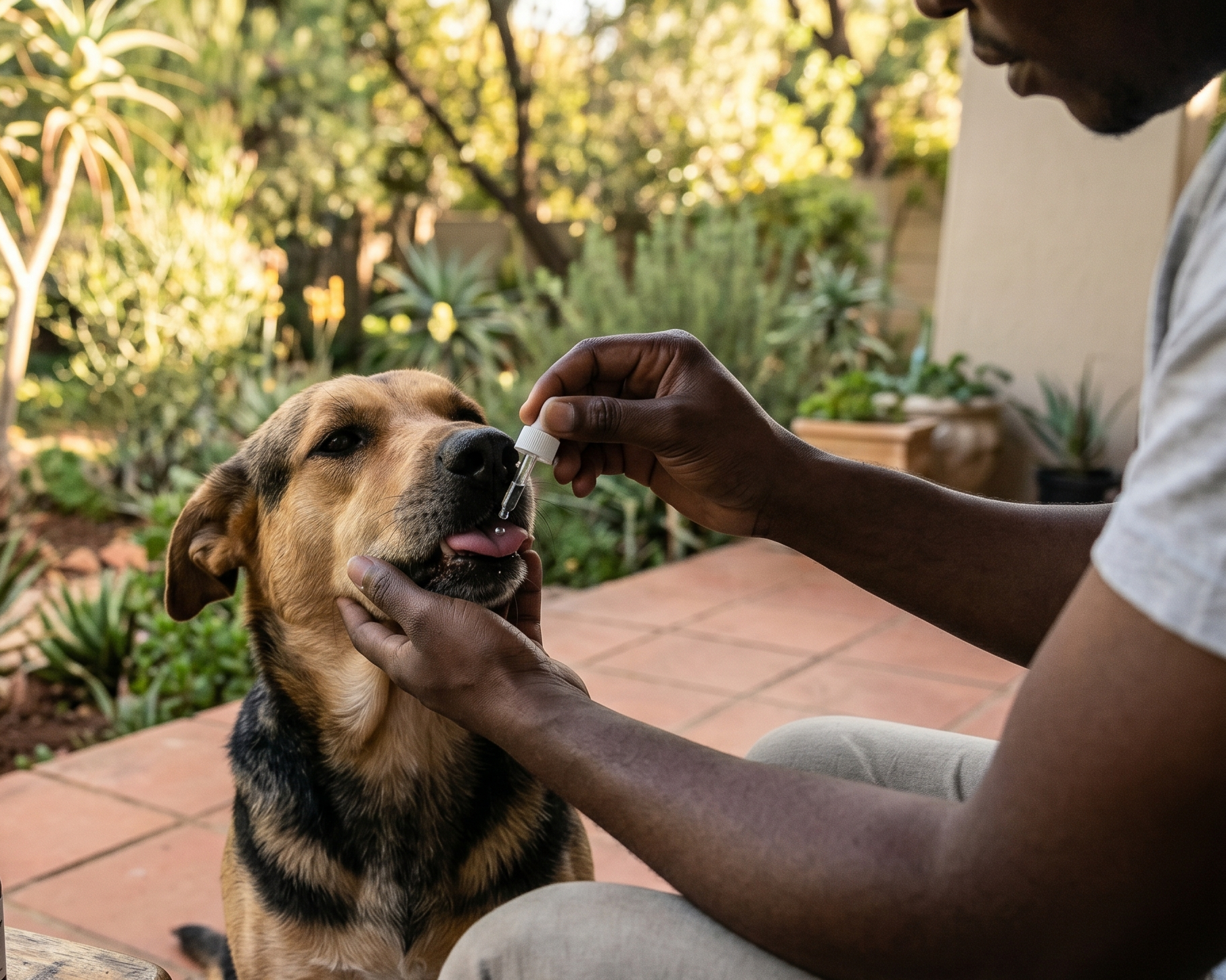
The intense, highly localized pain associated with severe throat infections frequently results in profound patient anorexia and dangerous systemic dehydration. Consequently, advanced nutritional management and intensive palliative care remain fundamental, non-negotiable cornerstones of the veterinary rehabilitation process. Caregivers must immediately transition affected patients to highly palatable, ultra-soft, low-residue diets mixed heavily with warm, low-sodium broth. This highly hydrated slurry requires absolutely no mastication and glides seamlessly over the acutely inflamed, highly painful oropharyngeal tissues. Furthermore, the deliberate oral administration of raw, unfiltered honey provides exceptional, natural demulcent relief for otherwise healthy adult dogs.
Epidemiological Dynamics of Canine Throat Infections
The global incidence and rapid spread of canine throat infections rely heavily on changing environmental factors and regional population density. Colder ambient temperatures combined with low relative humidity profoundly facilitate the extended survival of aerosolised respiratory viruses outdoors. Furthermore, massive infectious outbreaks routinely devastate local populations during peak holiday periods when boarding kennels experience intense, overwhelming animal density. Recent rigorous surveillance data recorded across the Gauteng province highlights massive, highly severe outbreaks of aggressive viral pathogens. These devastating, localized outbreaks of Canine Distemper Virus powerfully underscore the extreme, deadly fragility of population-level canine herd immunity.
Preventative Medicine for Dog Respiratory Syndromes
Robust, meticulously planned preventative medicine and comprehensive immunisation protocols represent the absolute primary defence against highly contagious respiratory infections. The South African Veterinary Association delineates highly precise, scientifically rigorous guidelines for both core and non-core canine vaccinations. Core vaccines remain universally essential for every dog due to the severe, frequently fatal nature of the targeted viral diseases. Furthermore, mucosal intranasal vaccines specifically targeting CIRDC pathogens instantly stimulate a rapid, incredibly robust local secretory immune response. Consequently, this targeted biological approach provides highly effective, localized protective immunity at the actual physical site of pathogen entry.
References & Scientific Sources
| Study / Source Title | Direct Link |
|---|---|
| Canine Viral Respiratory Infections – PMC | View Source |
| Kennel Cough in Dogs – Veterinary Partner | View Source |
| Pharyngitis in Dogs – Merck Veterinary Manual | View Source |
| Canine Infectious Respiratory Disease Complex – Auburn Univ. | View Source |
| Tonsillitis in Dogs | VCA Animal Hospitals | View Source |
| Canine infectious respiratory disease complex (Kennel cough) | AVMA | View Source |
| Aetiology of CIRDC and Prevalence of its Pathogens – PubMed | View Source |
| Difference Analysis Between Canine Adenovirus Types 1 And 2 | View Source |
| Occurrence and Predictors of Bacterial Respiratory Tract Infections… South Africa | View Source |
| DOG-AND-CAT-VACCINATION-GUIDELINES-FOR-SOUTH-AFRICA – SAVA | View Source |