Executive Summary
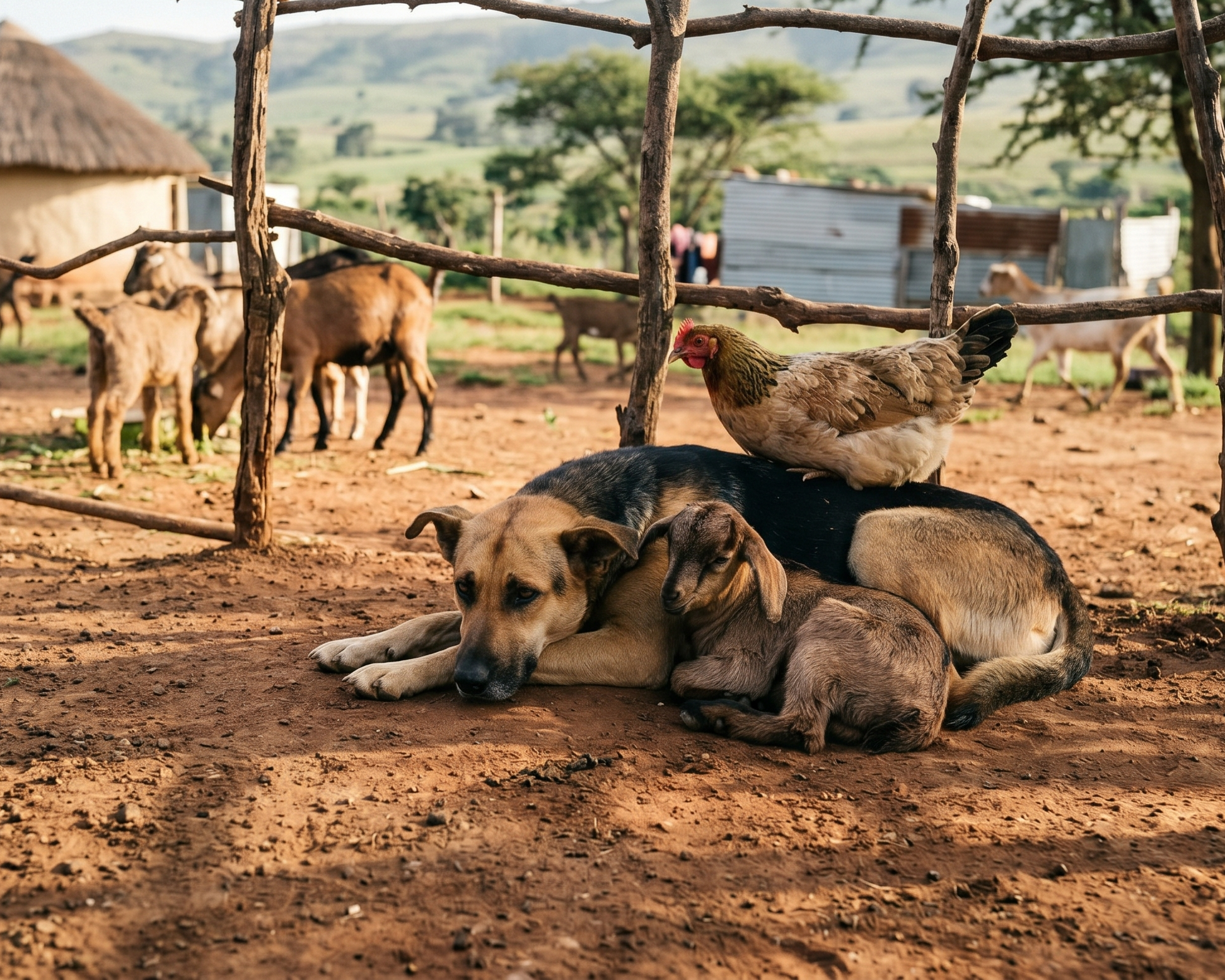
Canine interspecies cooperation shows how dogs adapt wonderfully. Through domestication, they became highly flexible social animals. Consequently, dogs accurately read and respond to signals from completely different species. This remarkable adaptability allows them to form highly complex relationships. They work with sheep. They bond securely with cheetahs, and they play with cats. Researchers study these specific connections to understand animal cognition better. Ultimately, dogs bridge the gap between diverse animal families.
Understanding Animal Relationships
Canine interspecies cooperation began thousands of years ago. Dogs evolved specific physical and mental traits during their domestication. Therefore, they communicate effectively with non-human animals today. Originally, early dogs retained juvenile physical characteristics into adulthood. This trait reduced their natural aggression. Consequently, their flexible social structures allow for dynamic new relationships to emerge. Dogs adapt their behaviour to suit different environments. They thrive alongside varied species. This adaptability happens daily across the entire globe.
The Science of Canine Cross Species Bonding
Canine cross species bonding relies on remarkably complex sensory adaptations. Dogs use scent to evaluate other animals from a safe distance. They gather data regarding species identity and physiological health constantly. This olfactory mapping helps them navigate multi-species environments invisibly. Similarly, dogs alter their barks depending entirely on the listener. The hormone oxytocin drives this vital canine interspecies cooperation. Initially, oxytocin helped reduce a dog’s intense fear of early humans. Later, this hormonal system developed incredible functional flexibility. Thus, dogs form secure attachments with completely different animals. They successfully override their natural hunting instincts through these potent chemical rewards.
Dogs Cooperating With Animals in Agriculture
Dogs cooperating with animals happens frequently on busy global farms. Livestock Guardian Dogs protect vulnerable sheep from wild predators autonomously. Over time, breeders selectively suppressed the hunting instincts in these specific dogs. Consequently, adult guardian dogs rarely chase or bite their livestock. Instead, they exhibit juvenile play and investigatory behaviours constantly. Therefore, sheep do not view these massive dogs as a threat. The dogs form incredibly strong bonds with the flock early on. They continuously adjust their roaming behaviour to match the herd. Fascinatingly, GPS tracking shows these dogs map the flock’s location constantly. They patrol the edges. This establishes clear territorial boundaries. The dogs actively place themselves between the sheep and any approaching danger to protect the flock. This highlights incredible canine interspecies cooperation in agriculture.
Feral Relationships With Wild Primates
Wild environments also host canine interspecies cooperation organically. Feral dogs interact with hamadryas baboons in Saudi Arabia. These specific animals gather around urban waste sites to scavenge for food. Rapid urban expansion caused massive population explosions among these wild baboons. Usually, relationships between dogs and primates involve high physical aggression. However, abundant food severely reduces competition in these specific geographic locations. Consequently, errant male baboons intentionally take feral puppies from their litters. Female baboons then adopt and diligently care for these young dogs. They engage in lengthy grooming sessions with the small puppies. Grooming establishes strict social hierarchies. It also reduces stress in primate societies. By grooming the dogs, baboons directly assimilate them into their troops. Blood tests absolutely confirm this deep physical intimacy between the species. Many baboons carry antibodies for specific canine viral infections. This connection demonstrates profound canine interspecies cooperation in the wild.
Zoos Utilising Dogs Cooperating With Animals
Conservationists utilise dogs cooperating with animals in zoological settings today. Domestic dogs serve as therapeutic companions for captive cheetahs globally. Cheetahs experience severe stress in captive environments very easily. They frequently suffer from dangerous stress-induced pathologies. Consequently, handlers carefully pair young cheetah cubs with confident domestic dogs. Modern socialisation protocols utilise multiple dogs throughout the cheetah’s development. Handlers introduce the animals safely through protective barriers initially. Eventually, the distinct pairs progress to permanent, unrestricted daily cohabitation. Dogs display remarkable confidence in noisy or highly novel environments. The cheetah observes the dog’s relaxed body language very closely. Subsequently, the feline mirrors this calm, confident behaviour constantly. This crucial canine interspecies cooperation reduces the cheetah’s stress hormones significantly. Researchers measure these specific hormones to track the animal’s physical wellbeing. The dogs and cheetahs share many daily activities. They exercise together. They also groom each other. Therefore, the dog directly improves the cheetah’s overall quality of life.
CHEETAH SOCIALISATION PROTOCOL
🛡️
PROTECTED CONTACT
Handlers introduce animals through safety mesh barriers safely.
⚠️
SUPERVISED PLAY
Pairs engage in highly monitored interaction sessions carefully.
📈
UNRESTRICTED COHABITATION
The animals live together to share daily activities constantly.
Interspecies Social Play Dogs Share With Cats
The most common interspecies social play dogs enjoy involves domestic cats. Both distinct species evolved alongside humans for thousands of years. Consequently, they developed unique overlapping cognitive skills for cross-species communication. For example, both animals understand human pointing gestures quite well. Interestingly, many dogs and cats share the specific biological urge to fetch. This shared understanding of object retrieval facilitates their daily mutual interaction. Interactive play requires immense cooperative restraint from both animals. Dogs and cats continuously emit and accurately read specific play signals. The famous canine play bow represents a highly recognisable social signal. Dogs regularly limit their strong bite force when playing with cats. This physical restraint demonstrates a profoundly high level of cognitive awareness. The dog prioritises the social bond over absolute physical dominance. This gentle restraint defines canine interspecies cooperation entirely.
Quality canine diets directly impact complex social behaviours. Specifically, premium meat provides essential amino acids. Following digestion, the dog’s brain actively transforms these vital nutrients into oxytocin continuously. Furthermore, this crucial chemical reward dictates entirely how dogs interact safely with different species daily. Consequently, poor nutrition limits cognitive flexibility. Therefore, feeding high-quality meals fundamentally ensures proper social adaptability.
The Cognitive Demands of Canine Cross Species Bonding
Canine interspecies cooperation demands significant brainpower. Dogs constantly process the goals and physical capabilities of their partners. Also, dogs possess a distinct and measurable ‘Theory of Mind’. They clearly recognise that other animals hold entirely different beliefs. Consequently, they use body movements to direct another animal’s attention. Scientists call these specific movements referential gestures. Finally, dogs truly understand fairness. They react negatively to unequal rewards. This specific cognitive foundation supports lasting cooperative relationships. They synthesise vast amounts of visual and olfactory data instantly. This complex data helps them choose between play, cooperation, or avoidance.
Conclusion
Ultimately, canine interspecies cooperation proves the domestic dog’s unique evolutionary adaptability. Domestication created an empathetic animal capable of complex social integration. Dogs successfully bridge the communicative divide between vastly different animal species. They protect vulnerable sheep fiercely. They comfort highly stressed captive cheetahs easily. Also, they share entirely unique social bonds with wild primates and domestic cats. These diverse relationships highlight the profound, ongoing flexibility of the canine brain. They remain the ultimate interspecies cooperators.