
Executive Summary
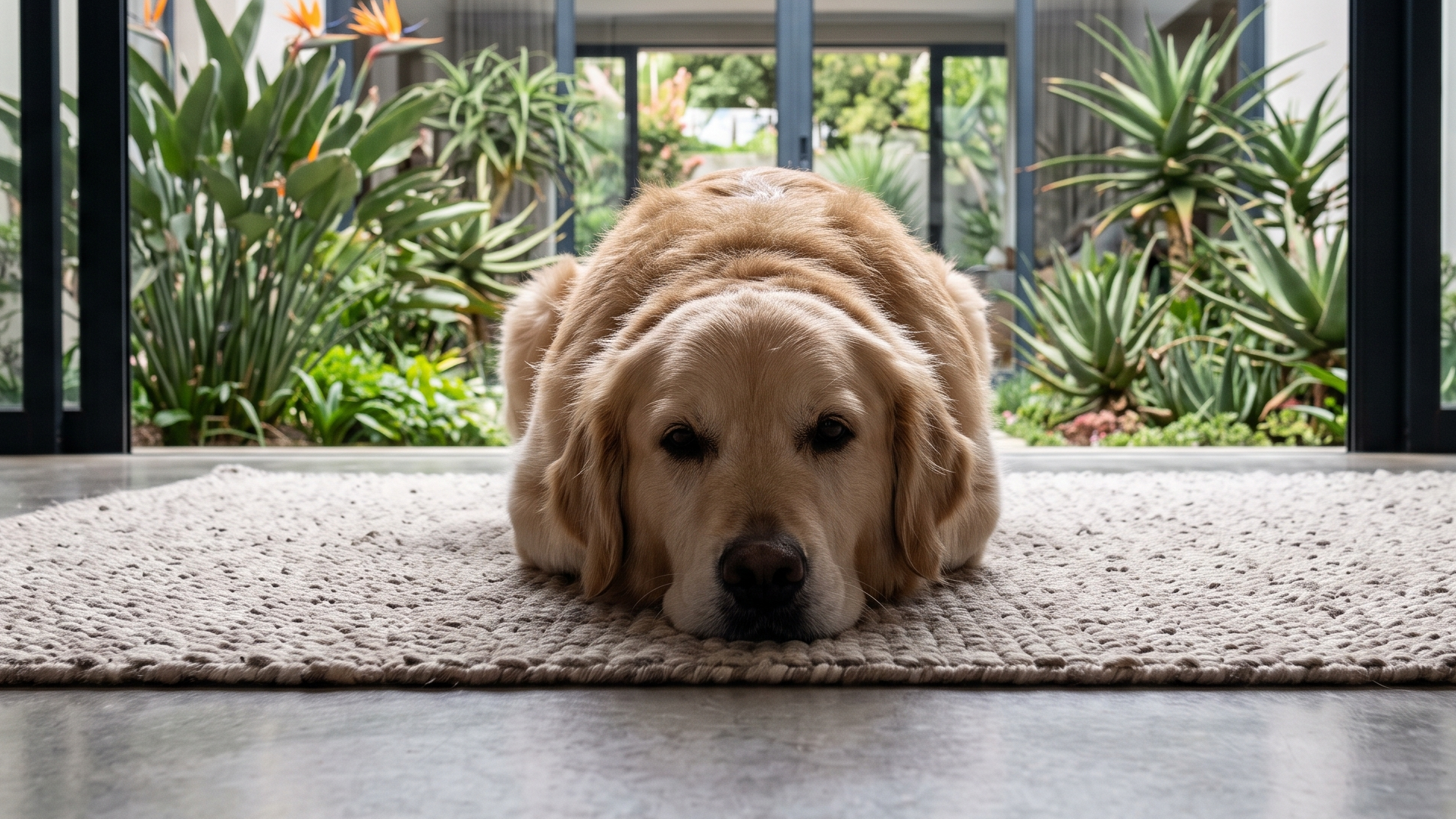
Understanding canine behavioral genetics completely changes how we view our dogs. Recently, scientists mapped the DNA of thousands of individual pets. Consequently, they discovered something shocking about modern breeds. Ultimately, a dog’s physical appearance rarely dictates its personality.
Understanding Canine Temperament Inheritance
Modern canine behavioral genetics firmly disprove old myths about dog breeds. Traditionally, many owners assume a specific breed guarantees a specific temperament. However, science tells a very different story today.
How Dog Genetic Behavior Traits Work
Initially, researchers studied genetic data from over two thousand companion animals. Next, they paired this DNA testing with detailed owner surveys. Surprisingly, modern breed categories explain only nine percent of behavioral variation. Therefore, a dog’s ancestry poorly predicts its actual personality. Consequently, you cannot rely on physical appearance to determine character. This massive study of canine behavioral genetics changes everything. Specifically, scientists found that traits like human sociability predate modern breeding entirely. Basically, ancient mammalian ancestors developed these behaviors thousands of years ago. As a result, modern breeders only successfully locked in physical traits. Instead, they created specific ear shapes and leg lengths.
Clearly, they completely failed to lock in complex personality traits. Next, researchers looked specifically at the agonistic threshold. Basically, this term simply means how easily something provokes or frightens an animal. Crucially, this specific threshold shows almost zero connection to breed identity. Instead, individual canine behavioral genetics dictate a dog’s reaction to stress. Today, mixed-breed dogs make up most of our companion population. Specifically, most of these mutts combine at least four different genetic backgrounds. Consequently, visual identification of these animals consistently fails. Typically, observers look at dominant physical traits and guess the ancestry incorrectly.

A Practical Option
Vondis Beef Boredom Busters (Medium)
Vondis Beef Boredom Busters (Medium)
Three medium hollow marrow bones stuffed with natural peanut butter and liver biltong. This chew provides hours of mental stimulation to combat anxiety safely. You can use this engaging activity to help manage your dog’s individual stress threshold.
Fostering Individual Character
Ultimately, this means veterinary professionals must change their approach. Now, they must evaluate every single dog as a unique individual. Clearly, broad generalizations based on breed simply do not work. Practically, applied canine behavioral genetics require owners to learn their specific dog’s triggers. Therefore, you must manage your dog based on its actual personality. Crucially, environmental enrichment plays a massive role in this management. Specifically, chewing activities help regulate an animal’s nervous system. Usually, a stressed dog needs a constructive outlet for its anxiety. Thus, you can provide mental challenges to lower their baseline arousal levels.
Eventually, a calm environment allows a dog’s true personality to shine. Importantly, understanding these facts empowers you to build a better relationship. Consequently, you stop expecting your pet to act like a textbook description. Instead, you respond to the living creature in front of you. Truly, the science of canine behavioral genetics frees dogs from unfair expectations. Undoubtedly, every animal deserves recognition for its unique character. Ultimately, you must foster the individual dog you have today. Finally, good nutrition and targeted enrichment support their specific mental needs perfectly.