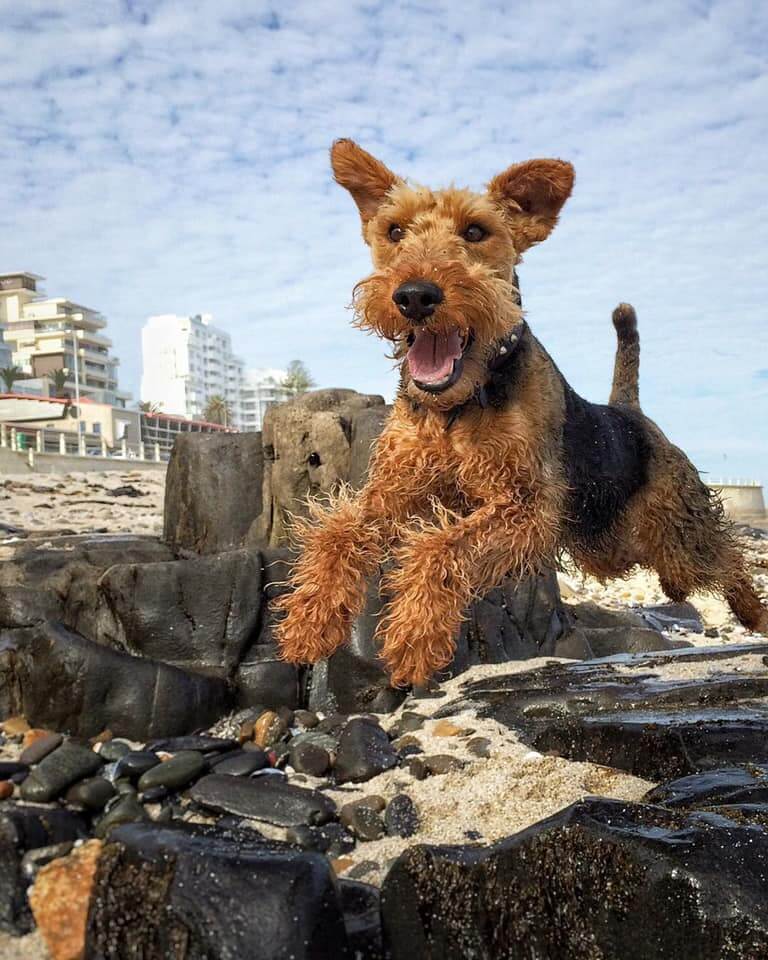

Providing regular canine enrichment activities is a cornerstone of modern, responsible dog ownership, and is essential for his mental health. For generations, the formula for a happy dog was thought to be simple: food, water, shelter, and a daily walk. We now understand that dogs, as intelligent and complex creatures, require much more than the bare necessities to truly thrive.
The concept of environmental enrichment for dogs addresses a crucial need that is often the root cause of behavioural issues: boredom. A dog without constructive outlets for his physical and mental energy will inevitably create his own, often destructive, entertainment. This can manifest as incessant barking, chewing furniture, digging up the garden, or other stress-related behaviours.
A proactive approach to preventing dog boredom is far more effective than trying to correct established problems. By incorporating varied and stimulating activities into your dog’s daily routine, you provide him with a sense of purpose. You help him build confidence and strengthen your bond, ultimately solving dog behaviour problems before they begin.
Interesting Fact: Many modern dog breeds were developed for highly specific jobs—like herding, hunting, or guarding—that required intense focus and problem-solving. Enrichment activities help to satisfy these deeply ingrained genetic instincts in a pet home environment.
The Five Pillars of Canine Enrichment
A truly enriching life for a dog engages all of his senses and natural instincts. A balanced approach should incorporate activities from several key categories.
1. Cognitive Enrichment: Engaging the Brain
Cognitive challenges are at the heart of mental stimulation for dogs. This pillar focuses on activities that encourage problem-solving and learning.
Puzzle Toys: These are toys that require a dog to push, slide, or lift components to reveal hidden treats. They range from simple beginner puzzles to complex, multi-step challenges.
Training Sessions: Short, positive training sessions are fantastic mental workouts. Teaching new cues, practicing old ones, or shaping complex behaviours like “tidy up your toys” forces a dog to think actively about the task at hand.
2. Sensory Enrichment: Activating the Senses
A dog experiences the world primarily through his nose, but all his senses crave stimulation.
Scent Work: This is one of the most powerful canine enrichment activities. Hiding treats or a favourite toy around the house or garden and encouraging your dog to “find it” allows him to use his incredible sense of smell. This activity is naturally calming and deeply satisfying for a dog.
Varied Textures and Sounds: Providing toys with different textures (e.g., rubber, rope, soft plush) and sounds (e.g., squeakers, crinkles) can add valuable sensory variety to his playtime.
3. Physical Enrichment: Beyond the Leash Walk
While daily walks are essential, physical enrichment involves more than just structured exercise.
Decompression Walks: In South Africa, we are lucky to have access to trails and open spaces. A “decompression walk” on a long line in a safe, natural area allows a dog to explore at his own pace, sniff freely, and just be a dog without the constraints of a heel.
Play and Body Awareness: Games like fetch or tug are excellent, but also consider activities that improve his body awareness. Creating a simple obstacle course in the garden with items to step over or weave through can build both physical and mental confidence.
4. Social Enrichment: The Need for Connection
Dogs are social creatures. Meaningful social interaction is a key component of a happy life.
Controlled Socialisation: For dogs who enjoy the company of others, well-managed playdates with familiar, well-behaved dogs can be wonderfully enriching. Doggy daycare can also be an option for suitable candidates.
Human Interaction: The most important social bond for most dogs is with their owner. Dedicated, one-on-one time that is free from distractions—like a grooming session or a quiet cuddle—fulfills this deep need for connection.
5. Food-Based Enrichment: Making Mealtimes Matter
Mealtimes offer a perfect opportunity for enrichment that is often missed.
Ditching the Bowl: Instead of just placing a bowl of food down, use feeding time for preventing dog boredom. Place his meal in a puzzle feeder, a snuffle mat, or a durable rubber toy that he has to work at to get his food out.
Foraging Games: Scatter a portion of his kibble in the garden (on a clean, safe patch of lawn) and let him forage for it. This mimics a natural canine behaviour and turns a five-second meal into a 15-minute activity.
Tip: You do not need to spend a lot of money on enrichment. Many effective DIY dog enrichment ideas can be created with items you already have at home. An old towel can be rolled up with treats inside, or a cardboard box can be filled with scrunched-up paper and scattered food for a fun shredding and foraging game.
The Link Between Enrichment and Behaviour
A lack of mental stimulation is a leading cause of common behavioural problems. An enriched dog is almost always a better-behaved dog.
How Enrichment Reduces Destructive Behaviour
Destructive chewing, digging, and shredding are often symptoms of an under-stimulated mind. When a dog is provided with appropriate outlets for these natural behaviours—like a tough chew toy to work on or a designated sandpit for digging—he is far less likely to target your furniture or garden beds. Solving dog behaviour problems often starts with providing a “yes” rather than just saying “no.”
Alleviating Anxiety and Building Confidence
Enrichment activities are powerful confidence builders. When a dog successfully solves a puzzle or finds a hidden treat, it gives him a sense of accomplishment. For anxious or fearful dogs, scent work can be particularly therapeutic. It allows them to focus on a calming, instinctual task, which can help to lower their overall stress levels.
FAQs – Canine Enrichment Activities
How much enrichment does my dog need each day? A good goal is to aim for at least 15-20 minutes of dedicated enrichment activities per day, in addition to his regular walks and playtime. This could be a 10-minute training session in the morning and a 10-minute puzzle feeder for his evening meal.
My dog is not interested in puzzle toys. What am I doing wrong? You may be starting with a puzzle that is too difficult. Begin with a very simple, level 1 puzzle and use high-value treats to get him interested. Show him how it works and praise him enthusiastically for any interaction.
Is it possible to provide too much enrichment? While uncommon, it is possible to over-stimulate a dog, especially a puppy or an anxious dog. Watch for signs of stress or frustration. Enrichment should be fun and calming, not a high-pressure task. Ensure he also has plenty of time for rest and quiet decompression.
Are bones a good source of enrichment? Yes, a raw, meaty bone can be an excellent source of enrichment. The act of chewing is mentally engaging and calming for dogs. Always choose a raw bone that is size-appropriate and supervise your dog while he is chewing.
What are some simple DIY dog enrichment ideas? A “muffin tin game” is a great start: place treats in some of the cups of a muffin tin and cover them all with tennis balls, forcing your dog to figure out which ones hide a reward. Another is the “magic cups” game, hiding a treat under one of three cups and letting him sniff it out.
Tip: Vondi’s range of natural, wholesome treats and chews are perfect for use in enrichment toys. Using high-value, healthy rewards makes the activity more engaging and motivating for your dog, while also supporting his overall nutrition and wellbeing.
In Closing
Integrating consistent canine enrichment activities into your dog’s life is a transformative act of care that addresses his needs as a whole being—mind, body, and soul. It is the most effective tool for preventing dog boredom and the behavioural issues that stem from it. By providing outlets for his natural instincts and engaging his intelligent mind, you are not just keeping him busy; you are providing him with a more fulfilling, balanced, and joyful existence.