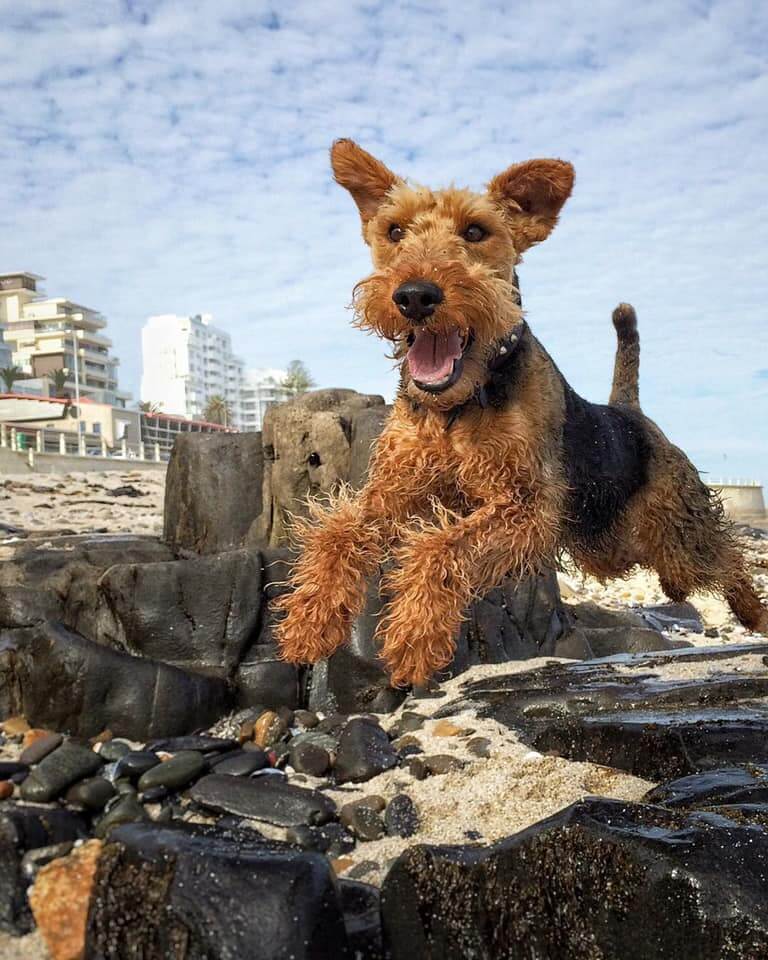

Dealing with arthritis in senior dogs is one of the most heartbreaking challenges an owner can face, but it is also manageable. You might notice he struggles to stand up after a nap or hesitates before jumping into the car. These small changes often signal that the protective cartilage in his joints is wearing thin, causing bone to rub painfully against bone.
Osteoarthritis is a progressive degenerative disease, meaning it will gradually worsen over time without intervention. Consequently, the joint inflammation leads to chronic pain, reduced mobility, and a significant drop in his quality of life. However, modern veterinary science has moved away from relying solely on painkillers and now advocates for a “multimodal” approach to management.
While there is no cure for arthritis in senior dogs, a combination of diet, environment, and natural support can dramatically slow its progress. Furthermore, early detection allows you to preserve his remaining joint function for as long as possible. With the right care plan, your older companion can still enjoy happy, active golden years.
Tip: Keep him moving with short, frequent walks rather than one long trek to prevent his joints from seizing up.
The Biological Function: Anatomy of a Healthy Joint
To treat the problem, we must first understand how a healthy joint operates mechanically. In a normal joint, the ends of the bones are covered in a smooth, slippery layer of cartilage that acts as a shock absorber. Additionally, the joint capsule is filled with synovial fluid, which lubricates the movement and provides nutrients to the tissue.
Crucially, this system allows for frictionless motion when the dog runs, jumps, or plays. The body naturally repairs minor wear and tear on this cartilage through normal metabolic processes. When the repair process cannot keep up with the damage, the cycle of inflammation and degradation begins.
Causes and Risk Factors for Arthritis in Senior Dogs
Why do some dogs develop crippling arthritis while others remain agile into their teens? It is usually a complex interplay between his genetics and his lifestyle history. Therefore, understanding these risks helps you tailor his care.
Genetic Predisposition
Large breeds like German Shepherds, Labrador Retrievers, and Golden Retrievers are genetically prone to joint issues like hip dysplasia. These structural abnormalities create uneven wear on the joints from a young age, leading to early-onset arthritis. Conversely, smaller breeds are not immune but often develop issues in different areas, such as the knees.
Environmental Factors
Obesity is the single biggest environmental accelerant of joint disease in dogs. Excess weight places immense physical strain on the joints, while fat tissue itself releases inflammatory hormones that attack cartilage. Furthermore, repetitive high-impact activities or living on slippery floors can cause micro-injuries that accumulate over a lifetime.
Signs and Symptoms of Arthritis in Senior Dogs
Dogs are masters at masking pain, so the signs are often subtle until the damage is advanced. You need to watch for a cluster of changes rather than waiting for a yelp. Consequently, observing him when he thinks no one is watching can reveal the truth.
Physical Symptoms
The most obvious sign is a stiffness in his gait, particularly after rest, which is often called “warming out” of the lameness. You may see visible muscle wastage (atrophy) on his hind legs as he shifts weight forward to avoid pain. Additionally, the affected joints may feel swollen or warm to the touch due to active inflammation.
Behavioural Changes
Pain often manifests as irritability or a sudden reluctance to be groomed or petted in certain areas. He may stop greeting you at the door or isolate himself in quiet rooms to avoid the risk of being bumped. Moreover, some dogs develop an obsessive habit of licking or chewing at the painful joint.
Chronic Indicators
Over time, the dog may alter his entire posture, developing a “roached” or arched back to compensate for hip pain. He might exhibit a complete loss of housetraining because the physical act of squatting has become too painful. Finally, you may notice he sleeps far more than usual, not out of tiredness, but because movement hurts.
Diagnosis and Veterinary Procedures
Diagnosing arthritis in senior dogs typically starts with a comprehensive physical examination. A vet will manipulate the joints to check for range of motion and the “crepitus” grinding sensation. They will observe his gait at a walk and a trot to identify exactly which limbs are affected. Importantly, they verify that the pain is joint-related and not neurological.
To confirm the diagnosis, the vet will likely recommend X-rays to visualise the bone spurs and the narrowing of the joint space. In some complex cases, they may suggest joint taps to analyse the synovial fluid for infection or immune-mediated disease. Once confirmed, they can grade the severity and prescribe a treatment plan.
The Role of Diet in Managing Arthritis in Senior Dogs
Nutrition is the foundation of any anti-inflammatory protocol because you cannot drug a dog out of a pro-inflammatory diet. Commercial kibbles are often high in starchy carbohydrates, which can trigger systemic inflammation and exacerbate pain. Therefore, switching to a moisture-rich, fresh food diet is often the first step in management.
A species-appropriate diet provides the high-quality protein needed to maintain the muscle mass that supports the skeleton. Furthermore, natural ingredients are easier to digest, ensuring he absorbs the nutrients needed for repair. Eliminating preservatives and colourants reduces the toxic load on his system, allowing the body to focus on healing.
Treatment and Holistic Management
The gold standard of care is a “multimodal” approach, meaning we attack the problem from several angles simultaneously. We combine conventional medicine to control acute pain with natural support to rebuild tissue. Consequently, this reduces the reliance on strong drugs and protects his organs.
Veterinary Treatment
For immediate pain relief, vets typically prescribe Non-Steroidal Anti-Inflammatory Drugs (NSAIDs). These drugs are highly effective at breaking the pain cycle and allowing the dog to move again. However, long-term use requires monitoring of liver and kidney function, so they are often used in pulses or at the lowest effective dose.
Holistic and Natural Support
Natural supplements play a vital role in protecting the remaining cartilage and lubricating the joint. Green-Lipped Mussel extract is a powerhouse ingredient, rich in unique Omega-3s that target joint inflammation specifically. Additionally, collagen supplementation provides the raw building blocks the body needs to repair connective tissue.
Tip: Provide a ramp for him to get into the car or onto the bed to prevent the jarring impact of jumping.
Interesting Fact: Cold, damp weather lowers the atmospheric pressure, which allows inflamed tissues to expand slightly and causes increased pain in arthritic joints.
FAQs – Arthritis in Senior Dogs
- Can supplements really help with severe arthritis?
Yes, supplements like Glucosamine and Chondroitin are proven to support cartilage health. They work best when started early but can still provide significant relief in advanced cases. - Is walking good for an arthritic dog?
Controlled, low-impact exercise is essential to keep the joints lubricated and muscles strong. However, you must avoid “weekend warrior” bursts of activity that cause flare-ups. - Why is my dog’s arthritis worse in the morning?
Joints produce less synovial fluid when they are stationary during sleep, leading to stiffness. Movement stimulates fluid production, which lubricates the joint and eases the movement as the day goes on. - Can weight loss cure arthritis?
Weight loss cannot cure the disease, but it is the single most effective pain reliever available. Losing just a small amount of body fat significantly reduces the mechanical load on the damaged joints. - Are there natural alternatives to Rimadyl?
Herbs like Devil’s Claw and Turmeric have potent anti-inflammatory properties. While they are gentler than prescription NSAIDs, they are often effective for managing mild to moderate chronic pain. - Does massage help dogs with arthritis?
Gentle massage increases blood flow to the affected area and relaxes tight muscles. It also releases endorphins, which are the body’s natural painkillers. - How do I know if my dog is in pain?
Look for subtle signs like panting when at rest, trembling, or a reluctance to settle. A change in personality, such as sudden aggression or withdrawal, is also a strong indicator.
In Closing
Managing arthritis in senior dogs is a journey that requires patience, observation, and a commitment to a holistic lifestyle. By combining a nutrient-dense diet with natural joint support and sensible environmental changes, you can profoundly impact his comfort. Ultimately, your goal is to ensure that his final years are filled with ease, dignity, and joy.