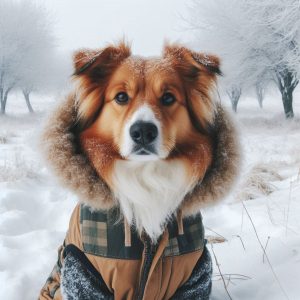
Winter presents unique challenges for everyone, including our canine companions. Our dogs require special care to stay healthy and comfortable as temperatures drop. One crucial aspect that often gets overlooked is their caloric intake.
Dogs need dietary adjustments to maintain their energy and body warmth during winter. Maintaining their body temperature during winter requires more energy, meaning they need more calories to burn.
Responsible dog owners must ensure our pets are well-cared for, especially during the challenging winter months. Understanding why and how to increase your dog’s caloric intake during winter is crucial to their well-being.
To offer you the best possible information, we have consulted our expert source, “The Complete Book of Dog Care,” by Leon Fradley. We will delve into the reasons behind the need for increased calories, how to make these adjustments safely and address common questions dog owners have about managing their pets’ diets during winter.
Why Dogs Need More Calories in Winter
Increased Energy Expenditure
During the winter, dogs expend more energy to maintain their body temperature. This process, known as thermoregulation, requires additional calories. When the ambient temperature drops, dogs use energy to generate heat and keep warm, resulting in a higher metabolic rate. This increased energy expenditure means dogs need more high quality calories to sustain regular activities and avoid weight loss.
Outdoor Activities and Cold Weather
Many dogs remain active during the winter, engaging in outdoor activities such as walking, playing, and even participating in winter sports. These activities not only keep them physically fit but also provide mental stimulation.
The colder environment leads to higher calorie burns, and dogs that spend much time outdoors, especially working dogs or those in colder climates, will naturally require more calories to fuel their increased physical activity and maintain body heat.
How to Adjust Your Dog’s Diet
Assessing Your Dog’s Needs:
It is important to assess your dog’s needs before changing its diet. Breed, age, size, activity level, and overall health significantly determine the appropriate caloric intake.
Consulting with your veterinarian is crucial in this process, as they can provide personalised recommendations based on your dog’s specific requirements.
What Are Calories?
Calories are a unit of measurement used to quantify the amount of energy food provides. Scientifically, one calorie is defined as the amount of energy needed to raise the temperature of one gram of water by one degree Celsius.
In nutritional terms, we often refer to kilocalories (kcal), where one kilocalorie equals 1,000 calories.
The energy content in food comes from three primary macronutrients: carbohydrates, proteins, and fats. Each of these macronutrients provides a different amount of energy per gram:
- Carbohydrates: 4 kcal per gram
- Proteins: 4 kcal per gram
- Fats: 9 kcal per gram
How Dogs Process Calories
Digestion and Absorption
The process of converting food into usable energy begins with digestion. When a dog eats, food travels down the oesophagus to the stomach, where stomach acids and enzymes break it down. This breakdown continues in the small intestine, where nutrients are absorbed into the bloodstream.
- Carbohydrates: Carbohydrates are broken down into simple sugars, such as glucose, which are absorbed into the bloodstream and used for immediate energy or stored as glycogen in the liver and muscles for later use.
- Proteins: Proteins are broken down into amino acids, which are absorbed and utilised for tissue repair, growth, and other metabolic functions. Any excess amino acids can be converted into glucose or fat for energy storage.
- Fats: Fats are broken down into fatty acids and glycerol, which are absorbed and either used for energy, stored as adipose tissue, or used in various cellular functions, including the production of cell membranes and hormones.
Choosing the Right Foods
When adjusting your dog’s diet for winter, focus on high-quality, nutrient-dense foods. Look for dog foods rich in protein and healthy fats essential for energy production and maintaining body heat.
Additionally, consider incorporating foods with higher caloric content or adding healthy supplements to their meals. It is crucial to include high-quality sources of calories.
Gradual Adjustments
It’s crucial to make dietary changes gradually to avoid digestive issues. Start by slightly increasing your dog’s portion sizes or adding a small amount of high-calorie food to their regular meals. Monitor their weight and overall condition closely, adjusting the amounts as needed to achieve the desired caloric intake.
Monitoring and Adjusting
Regularly monitoring your dog’s weight and body condition is crucial during winter. That allows you to adjust their diet and ensure they receive the appropriate calories. Monitor their energy levels, coat condition, and overall health, and consult your veterinarian if you notice any significant changes or concerns.
FAQs
How can I tell if my dog needs more calories in winter?
Weight loss, decreased energy levels, and difficulty staying warm are signs that your dog may need more calories in winter. Monitoring your dog’s weight and body condition regularly can help you determine if dietary adjustments are necessary.
What foods should I add to my dog’s diet for extra calories?
High-quality, nutrient-dense foods are ideal for adding extra calories. Look for dog foods rich in protein and healthy fats. You can also consider adding supplements such as fish or coconut, which are high in healthy fats and can boost caloric intake.
Can all dogs benefit from an increased caloric intake during winter?
Not all dogs need increased calories in winter. The need depends on breed, age, size, activity level, and overall health. Dogs that are active or spend much time outdoors are more likely to benefit from increased caloric intake.
How much should I increase my dog’s caloric intake in winter?
The amount of increase varies based on your dog’s individual needs. Generally, a 10-20% increase in caloric intake is a good starting point for active dogs or those spending much time outdoors. Consult your veterinarian for personalised recommendations.
Can I give my dog more of their regular food to increase calories?
You can increase the portion size of your dog’s regular food. Still, it’s also beneficial to choose high-calorie foods or supplements to ensure your dog gets the necessary nutrients and extra calories. Balance and variety are key to a healthy diet.
What if my dog gains too much weight after increasing their caloric intake?
Adjust its portions accordingly if your dog starts to gain too much weight. Regular monitoring and adjustments are important to maintain a healthy weight. Consult your veterinarian if you need guidance on portion sizes or dietary changes.
Are there any risks associated with increasing my dog’s caloric intake?
Increasing your dog’s caloric intake should be done carefully to avoid digestive issues or unhealthy weight gain. However, these risks can be minimised with gradual adjustments and regular monitoring. Consult your veterinarian to ensure the changes are appropriate and safe for your dog, and you can feel confident that you’re doing the best for your pet.
Should older dogs or puppies have different dietary adjustments in winter?
Older dogs and puppies have different nutritional needs. Puppies may require more frequent feeding and higher calorie intake for growth, while older dogs might need careful monitoring to avoid weight gain. Consult your veterinarian for age-specific recommendations.
Can I give my dog human foods to increase their caloric intake?
Some human foods can be safely added to your dog’s diet in moderation. Foods like plain cooked chicken, sweet potatoes, and certain vegetables can be beneficial. However, avoid foods toxic to dogs, such as chocolate, grapes, onions, and garlic. Always consult your veterinarian before introducing new foods.
How can I ensure my dog stays hydrated in winter?
Ensuring your dog stays hydrated is important year-round. In winter, ensure your dog can always access fresh water. If your dog is reluctant to drink cold water, try offering lukewarm water or adding water to their food to increase their fluid intake.
Conclusion
Adjusting your dog’s diet to include more calories during winter is vital to their care. Understanding the reasons behind this need and making gradual adjustments can help your dog maintain their energy levels, body condition, and overall health.