

Executive Summary
Knowing when to treat a dog with antibiotics, rather than waiting it out, depends on what the infection actually is. Antibiotics carry real costs of their own. Gut upset, occasional organ strain, and a steady rise in resistant bacteria mean they are not a neutral safety net. At the same time, certain infections turn dangerous quickly. Hesitating in those cases can cost a dog its life. This article sets out, plainly, where the evidence currently sits on both sides of that decision.
When to treat a sick dog with antibiotics, rather than waiting, feels to most owners like the cautious choice. Surely doing something beats doing nothing. Veterinary research over the past decade tells a more layered story, though. For some conditions, prompt antibiotic treatment is the difference between recovery and death. For others, the drugs add little benefit while quietly causing harm of their own. Working out when to hold back has become a carefully studied question in companion animal medicine. The answer changes depending on exactly what is making the dog unwell.
What Happens When To Treat Becomes The Wrong Question
Antibiotics are sometimes treated as a low-risk default, prescribed just in case a bacterial cause cannot be ruled out. The research does not support that framing, and it is exactly why knowing when to treat matters so much. Broad-spectrum antibiotics disturb the gut in a measurable, predictable way. In one controlled study, dogs given a common antibiotic combination developed digestive upset in nearly every case. The disruption to their gut bacteria lasted for weeks after the course ended. Some changes were still detectable many months later. A useful bacterium that helps the gut process bile acids, Clostridium hiranonis, is particularly vulnerable. Its loss has been linked to ongoing digestive problems in some dogs.
Beyond the gut, certain drugs carry their own specific dangers. Sulfonamide antibiotics, for example, have caused liver damage, joint inflammation, and dry eye in a meaningful minority of treated dogs. Doberman Pinschers show a genetic tendency towards the joint reaction in particular. Aminoglycoside antibiotics can damage the kidneys too, particularly in dogs that are dehydrated or already have reduced kidney function. None of this argues against antibiotics altogether. It argues against treating them as automatically safe.
Holding Off Treatment Has Its Own Risks
The opposite mistake is just as real. Waiting too long on a genuine bacterial infection can let a manageable illness become a fatal one. Pyometra, a serious uterine infection in unspayed female dogs, illustrates this sharply. Dogs that receive prompt surgery and antibiotics survive in the high nineties percentage-wise. Once the infection progresses to full septic shock, that survival figure can fall by more than half. Leptospirosis follows a similar pattern. Vets are now advised to begin treatment on suspicion alone, before laboratory results confirm the diagnosis. Dogs who go on to develop severe lung bleeding from the disease see their odds of survival drop sharply. Early treatment makes that difference. It shows why when to treat is rarely worth delaying in cases like this.
Severe parvovirus infection in puppies tells the same story from a different angle. The virus itself cannot be treated with antibiotics. It strips away the gut lining and the immune system’s defences at the same time, though. That opens the door to fatal bacterial blood poisoning. Puppies given full supportive treatment, including antibiotics where appropriate, survive at a high rate. Untreated, the disease is frequently fatal. This is precisely the kind of case where knowing when to treat matters more than caution for its own sake. Holding off treatment here is the riskier option.
How Vets Decide When To Treat
Veterinary bodies have set out fairly clear ground rules for when to treat. Before reaching for a systemic antibiotic, the recommended first step is confirmation. Vets need to know bacteria are the actual problem, rather than assume it. For skin and ear disease, that means examining a sample under the microscope first. For urinary disease, it means collecting a clean sample directly from the bladder, rather than guessing from symptoms alone. Treatment is reserved for cases showing real signs of bacterial involvement. Fever, lethargy, a loss of appetite, and abnormal white blood cell counts all count. Mild symptoms with no sign of spreading infection do not meet that bar.
This is, at heart, a question of severity and certainty taken together. That combination is what guides when to treat in practice. A dog showing systemic signs needs treatment. So does a dog with a closed pocket of infection that the body cannot reach unaided. A dog with a mild, localised, self-limiting problem and no systemic signs often does not. Vets describe this second approach as watchful waiting. It means keeping a close eye on the dog and setting a clear point for changing course. Antibiotics wait until they are actually needed.
The Decision Pathway
Assess The Signs
Fever, appetite, energy, and how localised the problem appears
Confirm The Cause
Cytology or culture before any systemic drug is given
Treat Or Observe
Systemic treatment if confirmed and severe, watching if not
The Case For Waiting, By The Numbers
The strongest evidence for holding back comes from ordinary, everyday illness rather than dramatic emergencies. In a controlled trial of dogs with acute, bloody diarrhoea, an antibiotic brought no faster recovery than a placebo did. A separate trial reached the same conclusion. It also found that the treated dogs carried resistant bacteria for weeks afterwards, with no gain to show for it. Guidance published in 2024 now recommends firmly against antibiotics for mild and moderate diarrhoea in dogs. It reserves them only for cases with clear signs of the illness turning systemic.
Kennel cough follows a similar logic. Most dogs with this complex of infections clear it within ten days without any antibiotic at all. Current guidance recommends a period of observation first, rather than treating every cough as an emergency. Bacteria found in urine without any accompanying symptoms tell a comparable story. One long-term study followed dogs with this finding for an average of eight months. Almost none of them went on to develop a genuine kidney infection. That result supports a wider point about knowing when to treat. The dog in front of you matters more than the laboratory result on its own. Acting on the result alone, without symptoms to back it up, usually does more harm than good.
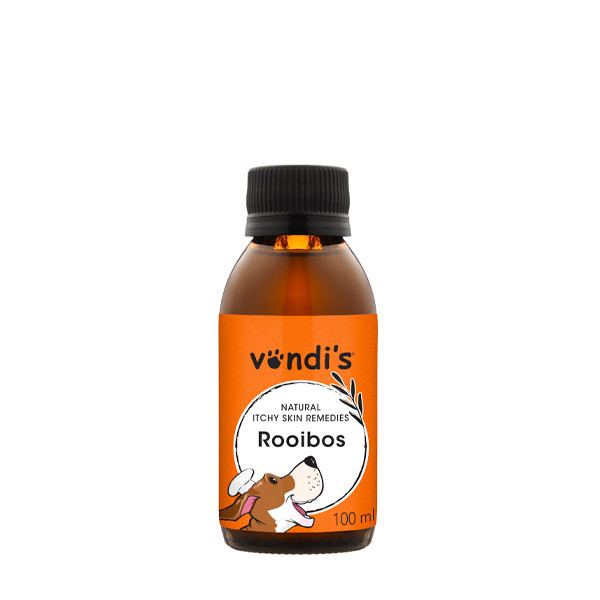
A Practical Option
Vondi’s Rooibos Oil for Itchy Skin
Vondi’s Rooibos Oil for Itchy Skin
A blend of rooibos, chamomile and spirulina in a grapeseed oil base, intended to calm itchy or irritated skin. A measured pour over food offers a gentle, non-synthetic option worth discussing alongside topical care for dogs with mild surface irritation.
What This Means For Deciding To Treat
None of this points towards a single rule that owners can apply at home. What it points towards is a question worth asking at every visit. The real issue is whether a dog is showing signs that the infection has become serious or widespread. The alternative is a contained problem the body is likely to resolve on its own, with support. Vets weighing treatment and waiting are not avoiding responsibility when they suggest a watch-and-wait approach. Knowing when to treat, and when not to, is the discipline behind that suggestion. It comes from a body of evidence built to answer this question case by case. That beats reaching automatically for the same prescription, regardless of what is actually wrong.