Executive Summary
Exploring various working dog types reveals fascinating biological differences between specific breeds. Humans shaped these animals over thousands of years to perform highly specific agricultural and security tasks. Consequently, modern canines display unique brain structures. They also demonstrate highly specialised problem-solving skills tailored strictly to their environments.
Understanding Working Dog Types From The Start
Examining working dog types starts with looking directly at early human history. Early people domesticated ancestral wolves thousands of years ago. Initially, this process simply favoured calmer animals that could comfortably live near human settlements. Eventually, human societies grew significantly more complex. People began selectively breeding dogs to handle heavy agricultural labour. Hunters also required fast trackers to survive. As a result, humans created hundreds of distinct canine bloodlines.
Today, these animals perform vital modern duties. They regularly find hidden explosives or spot critical medical emergencies before doctors can. The differences between these animals go far beyond their physical looks or coat colours. Scientists discovered recently that specific jobs fundamentally altered canine DNA. Breeding also changed their physical brain layouts. By examining these biological foundations, we can fully appreciate how these animals manage their impressive daily feats.
How Brain Changes Create Specialised Dog Breeds
Recent scientific tools allow researchers to look safely inside living canine brains. Through this advanced technology, they found that working dog types possess entirely different brain setups depending on their historical jobs. Nature never distributed these neurological changes randomly across populations. Instead, scientists successfully mapped six distinct neural networks that control specific daily behaviours.
For example, animals bred for hunting by sight show massive physical development in brain areas managing vision. They also show expansion in networks controlling running speed. Conversely, guard dogs have heavily enlarged areas controlling fear. Because of this, a farm guardian naturally reacts incredibly quickly to strangers. This exact same brain layout makes that guardian completely unsuitable for public guide work in busy cities. Humans drove these drastic brain changes very recently in evolutionary history.
Scientific Fact
Modern breeds show much more surface brain area than ancient breeds. This specific cortical expansion gives them the high intelligence required for learning complex human commands.
Alongside these physical brain changes, researchers isolated specific genetic markers controlling canine athleticism. Genomic studies demonstrate that a incredibly small number of genes control very complex physical behaviours. The ROBO1 gene directly influences how an animal learns new environments. Dogs carrying specific versions of this gene navigate agility courses much faster than others. They process environmental information with incredible speed. Similarly, athletic endurance links directly to the ASIC3 gene. A variation in this exact gene allows sporting hunters to bypass normal muscle fatigue during extreme physical stress. Ultimately, this genetic architecture proves that selective breeding completely rewired the domestic canine.
Moving past basic genetics, the physical size of different brain regions constantly dictates daily behaviour. A retriever obsessively fetches objects because its internal reward network is massive compared to other animals. The dog receives a huge chemical reward in the brain every single time it returns an item to a human. Understanding these working dog types requires acknowledging their lack of choice in the matter. Their biology entirely compels the action.
Scent Detection As Canine Working Roles
The canine nose represents one of the most powerful biological tools on earth. Detection animals work globally to find missing people in disaster zones. They also locate dangerous chemicals for military teams. The physical shape of the animal’s face directly dictates its success in these working dog types. Animals with long snouts possess complex, folded bones inside their nasal passages. These bones effectively catch and slow down passing air. They then direct that air toward highly specialised scent receptors.
Flat-faced breeds completely lack this internal space. Because of this structural failing, they cannot compete safely in scent work. Looking closer at the cellular level, scientists note massive differences in how genes act inside the nose. Having the genetic code for scent receptors means absolutely nothing if the body refuses to activate them. Scent hounds naturally activate thousands of more receptors than non-hunting animals. Therefore, a tracking hound will always outperform a pug in scent trials without any prior training.
Recently, doctors began using these animals for advanced biomedical screening. Clinical trials show clearly that dogs can safely smell malaria parasites. They can also detect certain forms of human cancer with incredible accuracy. They identify tiny chemical compounds released by sick human cells. While they perform flawlessly in controlled laboratory settings, real-world medical alerts present massive challenges.
A diabetes alert dog must notice rapidly changing blood sugar levels in a moving human. Human body odours change constantly based on daily diet. They also shift rapidly due to emotional stress. Consequently, the animal faces a terribly difficult moving target every single day. This explains why specific working dog types excel in laboratories but occasionally struggle in public settings.
Environmental Limits On Scent Detection
🌡️
Cool Conditions
The animal breathes smoothly through the nose. This allows bones to trap scent particles perfectly.
⚠️
Heat Stress
The animal must pant heavily to survive. Airflow bypasses the nose completely, destroying detection ability.
📉
Mental Frustration
Blocked access to targets alters heart rates. Stressed animals easily miss obvious target odours nearby.
Psychological frustration ruins a dog’s smelling accuracy entirely. When search animals cannot physically reach their target, their internal heart rate variability changes drastically. This emotional frustration causes them to miss incredibly obvious scents during active searches. Handlers must carefully manage their partner’s mental state continuously to ensure operational success.
Herding Abilities And Canine Breed Differences
Herding requires a unique mixture of extreme physical agility and advanced problem-solving skills. These animals must control the rapid movement of other species across vast spaces. Human babies naturally identify their world through the physical look of objects. Alternatively, canines process their surrounding world almost entirely through spatial location. Scientists call this biological mapping a spatial bias. This natural mapping ability allows herding breeds to track running sheep perfectly across highly complex terrain.
Rigorous tests show that canines learn much faster when a reward relates directly to a location rather than a specific object. Interestingly, the smartest animals can consciously suppress this natural spatial bias. They do this successfully when a specific job demands object-focused thought. Beyond basic spatial awareness, herding requires constant communication between the animal and the human handler. Research comparing hundreds of animals shows that herding breeds possess an unmatched ability to read human gestures.
They follow pointed fingers better than adult chimpanzees do. When scientists place a herding dog in front of an impossible puzzle box, the dog never wastes energy scratching at the locks. Instead, the animal immediately turns its head to look directly at its human handler for help. They naturally view the human as a capable partner in solving complex physical problems.
Scientific Fact
Ideal nutrition is unique not only to each breed, but to each working dog.
Spatial Memory
Because they rely heavily on spatial memory, brain aging poses a serious threat to these working dog types. Veterinary researchers developed special physical sand mazes to test memory decline safely. Young animals easily remember the exact location of hidden food rewards after several tries. Older animals show significant delays during these exact same tests. They frequently forget the target location entirely. This specific testing helps handlers know exactly when an older animal needs to retire safely from dangerous farm work.
The highly social nature of herding animals separates them entirely from other groups. They exist in a constant state of hyper-cooperation with humans. Their brains literally reward them for successfully predicting human commands. This seamless integration means the human essentially directs the dog’s natural predatory hunting instincts. Understanding these specific working dog types requires observing this delicate balance of modified hunting behaviour.
Livestock Protection Within Working Dog Jobs
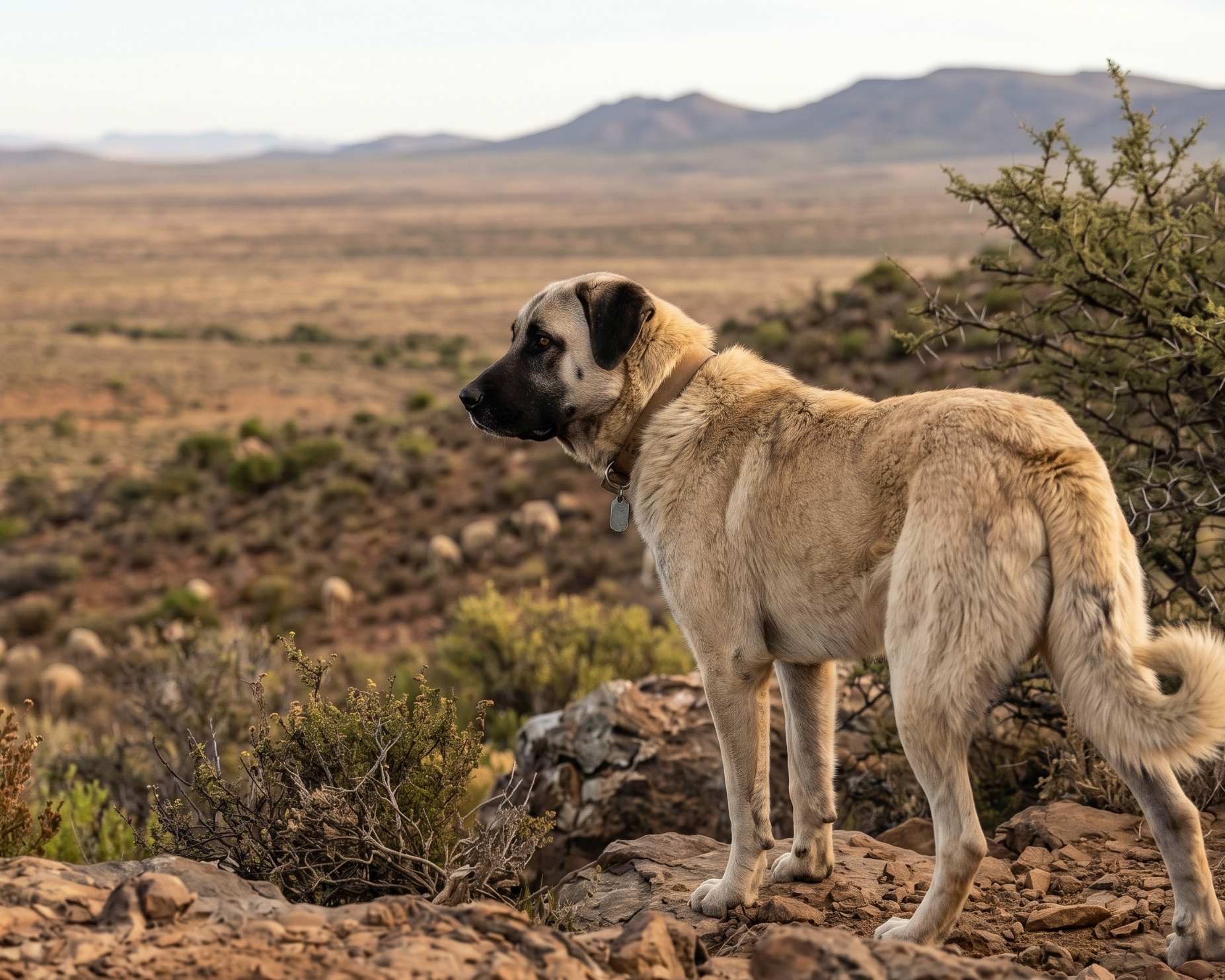
Livestock protection animals operate completely differently from highly trained herding dogs. Farmers expect these massive animals to live outside continuously.
Biologically, these dogs remain trapped in a permanent juvenile mental state. Scientists refer to this arrested emotional development as neoteny. Because they keep their puppy-like minds long into physical adulthood, they lack strong predatory drives. Farmers place young puppies with sheep during a highly critical developmental window. This window occurs strictly between eight and sixteen weeks of age. During this time, the puppy decides permanently that the sheep belong to its own family.
Studies across rural African farms show that placing these dogs stops almost all livestock losses. Farmers stop losing sheep to cheetahs almost immediately. This saves agricultural businesses significant money annually. It also stops desperate farmers from shooting the endangered wild predators. However, these independent working dog types face significant mental challenges in the wild.
They must constantly judge whether an approaching animal poses a genuine physical threat. A young dog might mistakenly ignore a dangerous wolf. That same inexperienced dog might attack a completely harmless hiker. If a guardian decides to wander away to sleep safely near the farmhouse, the farmer must remove it from the conservation project. Assessing these working dog types requires a clear view of both their immense value and their steep learning curves.
Physical Structure Across Working Dog Types
Every physical job requires a specific body shape to prevent severe injury. Sporting hunters push their bodies to the absolute limit while running through heavy brush. Running creates massive amounts of heat and acid in their bloodstreams rapidly. Over many generations, the hearts of endurance runners actually changed physical shape. Their left heart ventricles grew significantly larger and stronger.
This biological upgrade allows them to pump oxygen rapidly through their systems. It also helps clear burning acid from their tired muscles. Proper diet plays a massive role in keeping these modified hearts healthy. Feeding these athletes saturated animal fat causes immediate heart problems. Conversely, feeding them healthy polyunsaturated fish oils maintains their strong heart function safely.
3D Motion Cameras
Beyond the heart muscle, the animal’s skeleton must absorb terrible impacts daily. Scientists using 3D motion cameras found that heavy breeds use their strong pelvis bones to absorb shock. Lighter animals use completely different joint movements to stay balanced while trotting fast. We see the importance of bone strength incredibly clearly in mobility assistance animals.
These incredibly valuable working dog types live long lives only when handled correctly. They pull heavy wheelchairs daily. They also help disabled humans stand up from chairs. Pressing down heavily on an animal’s spine creates terrible physical stress. Therefore, veterinarians demand that these animals wait until they reach at least two years of age before doing heavy lifting tasks.
By two years old, their bone growth plates fuse completely together. This creates a solid structure capable of holding weight. The physical rules governing these teams remain incredibly strict. A mobility dog must weigh at least half as much as its human handler. The animal must also stand tall enough at the shoulder to create a safe mechanical lever. Understanding how gravity affects different working dog types prevents severe injuries to the spine.
Closing Thoughts On Working Dogs
Looking at the deep science behind these animals changes how we view our companions entirely. We cannot simply credit their amazing skills to generic intelligence. We also cannot attribute their actions merely to a simple desire to please humans. Instead, we must fully recognise the incredible biological machinery operating inside them.
Centuries of careful selection created animals with uniquely shaped brains. Breeders also sculpted highly sensitive noses and incredibly durable hearts. When we place the right animal in the correct environment, absolute magic happens. The animal works happily without facing psychological frustration. Meanwhile, humans receive life-saving physical assistance. Moving forward, we must continue using advanced science to protect their joints. We must continually manage their emotional stress to ensure they live healthy lives after they finally retire.
Frequently Asked Questions About Specialised Dog Breeds
How do brain shapes differ among various working dogs?
Scientists discovered that different jobs physically alter the canine brain. Dogs bred specifically for guarding possess much larger fear centres. Sporting dogs possess massive reward centres that violently compel them to fetch objects repeatedly.
Why are flat-faced breeds bad at scent detection?
Scent detection requires complex bone structures hidden inside the nose to capture passing air. Flat-faced breeds completely lack this internal space. This absence severely reduces their physical ability to catch smells effectively.
What exactly is a spatial bias in herding dogs?
This scientific term describes how canines naturally map their world using geographic locations. They ignore the physical looks of objects. This biological trait allows them to track moving sheep perfectly across difficult terrain.
At what age can an assistance dog begin pulling heavy weight?
Veterinarians require these animals to wait until they reach at least two years of physical age. At this point, their bone growth plates fuse completely together. This allows them to pull heavy weight safely without injuring their fragile spines.