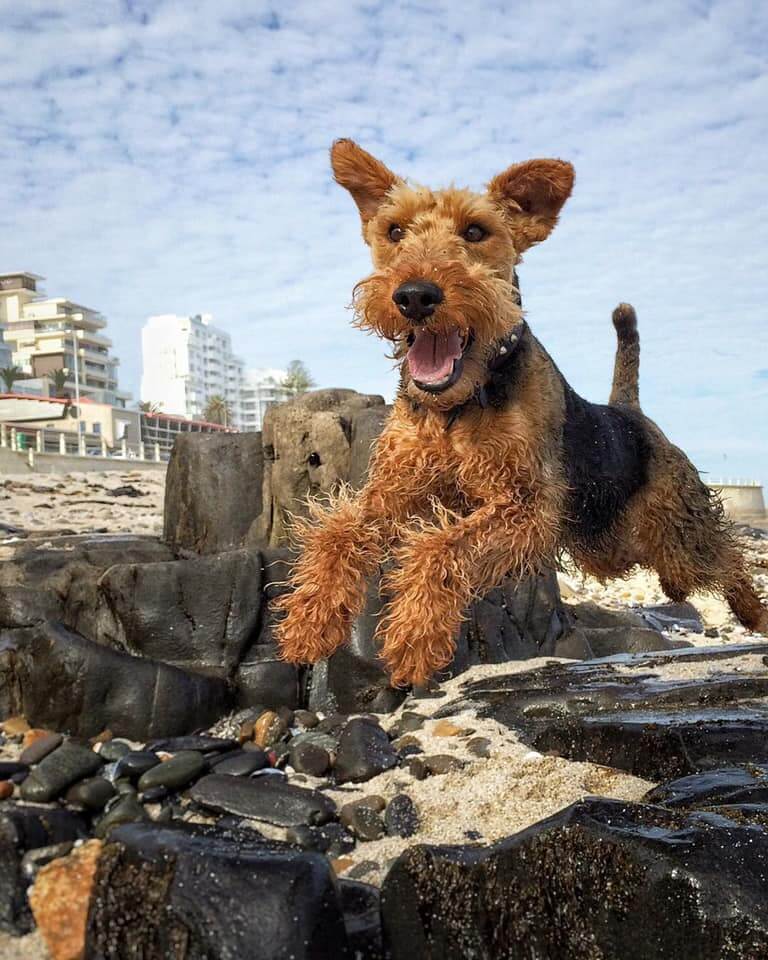

Your dog’s loyalty feels like something extraordinary. When they wait by the door each evening or rest their head on your knee during difficult moments, you sense a depth of devotion that transcends simple training. However, most of us will never truly test the limits of that bond. Throughout history, a handful of inspiring historical dogs have answered that unspoken question with their actions. We’ll never know if our own beloved companions would face genuine danger on our behalf, or if their courage extends beyond barking at the postman.
Their stories reveal something profound about the canine capacity for bravery, loyalty, and selflessness under circumstances we can barely imagine. These accounts aren’t sentimental legends or exaggerated tales. Rather, they’re documented in military archives, contemporary photographs, and official records that allow us to verify what actually occurred.
This article examines three such dogs from three different conflicts across three continents. You’ll discover how a Newfoundland mascot saved Canadian soldiers during the Battle of Hong Kong, how a four-pound Yorkshire Terrier became the Pacific Theatre’s most ingenious problem-solver, and what we can genuinely verify about a Labrador who worked Mumbai’s bomb squad during India’s darkest terrorist attack. These famous military dogs weren’t household names, yet their contributions shaped history. Along the way, we’ll explore what these stories teach us about the animals who share our lives.
Gander: A Heroic Dog of History
December 19, 1941. Hong Kong Island. Japanese forces surged through the darkness towards Canadian positions at Lye Mun. The Royal Rifles of Canada, alongside the Winnipeg Grenadiers, had already endured eight days of relentless assault. Moreover, they were inexperienced troops facing a battle-hardened enemy.
Among them moved a large black Newfoundland. Originally named Pal, the dog had scratched a child’s face in his previous life as a family pet. Consequently, his owners faced a difficult choice: euthanasia or rehoming. Fortunately, they chose the latter, presenting him to the Royal Rifles stationed at Gander Airport in Newfoundland. The soldiers renamed him Gander, promoted him to Sergeant, and when the regiment received orders for Hong Kong in October 1941, they brought their mascot along.
Contemporary photographs held by Library and Archives Canada show Gander aboard the troopship with C Force personnel. These images, dated October and November 1941, provide irrefutable evidence that the dog sailed to Hong Kong with the Canadian troops. Indeed, he appears healthy, alert, and clearly integrated into regimental life. Gander stands among the most inspiring historical dogs precisely because his story can be verified through archival documentation.
During the battle, Gander engaged enemy forces on three documented occasions. Twice, his attacks disrupted Japanese advances and protected wounded soldiers. Rifleman Reginald Law, who witnessed one such incident, later testified that Gander “growled and ran at the enemy soldiers, biting at their heels.” The dog’s size and ferocity created enough chaos to buy precious seconds for defensive positioning. Like other legendary war dogs, Gander’s instincts merged with training to produce extraordinary courage.
Nevertheless, the incident that sealed Gander’s place in history occurred during a night attack. A Japanese grenade landed among a group of seven wounded Canadians who had taken shelter. Furthermore, the soldiers were immobilised and unable to escape the blast radius. Gander, who had observed grenade training exercises with the troops, apparently recognised the danger. He picked up the explosive device in his mouth, carried it away from the injured men, and was killed instantly when it detonated.
Did You Know?
Gander saved the lives of seven wounded Canadian soldiers by carrying a live Japanese grenade away from their position. The soldiers were immobilised and unable to escape, making Gander’s split-second decision the difference between life and death.
Verifying Historical Dog Stories
Gander’s grenade sacrifice presents an interesting case in historical documentation. The Royal Rifles of Canada’s War Diary for December 1941, held by the Hong Kong Veterans Commemorative Association, meticulously records troop movements, casualties, and engagements. However, it contains no specific mention of Gander or his actions. Regimental mascots, whilst common, rarely appeared in official combat reports unless their presence affected operational outcomes.
Accordingly, the story rests primarily on veteran testimonies collected decades after the battle. Handler Fred Kelly, who survived Hong Kong’s prisoner-of-war camps, maintained the account throughout his life. Philip Doddridge, another survivor present at Gander’s 2015 statue unveiling, confirmed that the dog “was very much loved by all of us.”
The People’s Dispensary for Sick Animals investigated these accounts before awarding Gander the Dickin Medal on October 27, 2000. Often called the Victoria Cross for animals, the Dickin Medal represents the highest honour for military animal bravery. Notably, Gander’s medal was the first awarded since 1949 and the first ever to a Canadian animal. The citation specifically references “three documented occasions” when Gander engaged the enemy. Since 1943, this medal has recognised heroic military dogs alongside pigeons, horses, and one cat.
Did You Know?
Since 1943, the PDSA Dickin Medal has recognised 75 animals for extraordinary bravery: 38 dogs, 32 pigeons, 4 horses, and 1 cat. Gander was the first Canadian animal ever to receive this honour, which is often called the Victoria Cross for animals.
Today, Gander’s name appears on the Hong Kong Veterans Memorial Wall in Ottawa alongside 1,975 men and two women. Veterans Affairs Canada officially recognises his service. His Dickin Medal resides at the Canadian War Museum. Additionally, sculptor Morgan MacDonald created statues depicting Gander with handler Fred Kelly, unveiled in Gander, Newfoundland, in July 2015.
Smoky: A Legendary Military Dog
Early 1944. New Guinea jungle. American soldier Ed Downey discovered something improbable in an abandoned foxhole: a Yorkshire Terrier. The tiny dog stood just seven inches tall and weighed four pounds. She didn’t respond to commands in Japanese or English, leaving her origins mysterious. Downey, indifferent to dogs, soon sold her to his tentmate, Corporal William A. Wynne of Cleveland, Ohio, for two Australian pounds.
Did You Know?
Smoky weighed just 4 pounds and stood 7 inches tall—smaller than most house cats. Despite her tiny size, she survived 18 months of Pacific combat, including more than 150 Japanese air raids and a typhoon at Okinawa.
Wynne named her Smoky. That decision changed both their lives.
Unlike Gander’s brief wartime service, Smoky accompanied Wynne throughout eighteen months of Pacific combat. She flew twelve air and sea rescue missions with the 26th Photo Reconnaissance Squadron, 5th Air Force. During these flights, she dangled in Wynne’s backpack near machine guns whilst the crew watched for enemy fighters. Consequently, she survived more than 150 Japanese air raids on New Guinea and weathered a typhoon at Okinawa.
Smoky learned an astonishing repertoire during downtime. Wynne taught her over 200 hand signals and commands, and she performed tricks that entertained troops across the Pacific Theatre. Indeed, in July 1944, Yank Down Under magazine named her “Champion Mascot in the Southwest Pacific Area” after she won first prize over 400 competing entries. The trophy still exists at the AKC Museum of the Dog in St. Louis, providing contemporary verification of her wartime fame.
Cleveland State University’s Michael Schwartz Library holds the William Wynne Photography Collection. These archives confirm every detail of Wynne’s military service: enlistment January 12, 1943; discharge November 27, 1945; rank Corporal. Furthermore, the 26th Photo Squadron’s 1946 unit publication dedicates an entire page to Smoky with multiple photographs. Contemporary documentation doesn’t lie. Such thorough verification places Smoky among the most thoroughly documented of all inspiring historical dogs.
The Wire That Couldn’t Wait
January 1945. Lingayen Gulf, Luzon. American forces had established an airfield crucial to operations in the Philippines. However, they urgently needed to run communications wire from the airfield to three squadron areas. The only route passed through a culvert: seventy feet long, eight inches in diameter, partially filled with sand and debris.
Standard procedure required digging up the taxiway around forty American aircraft. Engineers estimated three days of exposed work under constant threat of Japanese attack. Moreover, the airfield would remain closed throughout, leaving aircraft vulnerable and operations suspended.
Somebody suggested an alternative: tie the wire to Smoky’s collar and coax her through the pipe. The little Yorkshire Terrier could pull a lightweight cord through the culvert. Subsequently, engineers could use that cord to draw the actual communications cable.
Wynne positioned himself at the far end of the seventy-foot pipe. Smoky entered reluctantly, disappearing into darkness. Wynne called to her, his voice echoing through the narrow space. Minutes passed. The dog navigated sections where sand nearly blocked the passage, places where she couldn’t see daylight or hear clearly.
Eventually, Smoky emerged at the other end. The mission succeeded. Communications were established in minutes instead of days. Military accounts credit this single action with saving approximately 250 men and 40 planes from potential destruction during that three-day window of vulnerability.
Research Highlight
Smoky’s seventy-foot crawl through an eight-inch culvert saved approximately 250 men and 40 aircraft from three days of exposed vulnerability. Engineers estimated standard procedures would have required digging up the taxiway under constant threat of Japanese attack.
The incident demonstrates remarkable intelligence and trust. Smoky couldn’t have understood the tactical implications of her crawl. Nevertheless, she trusted Wynne’s voice enough to navigate a dark, confined, partially obstructed space toward an invisible goal. That represents problem-solving and emotional bond far beyond simple obedience training. Actions like these distinguish inspiring historical dogs from well-trained pets.
Pioneering Therapy Dog History
July 1944. The 233rd Station Hospital, Nadzab, New Guinea. Wynne contracted dengue fever and was hospitalised. His friends brought Smoky to visit. The nurses, charmed by the tiny dog, requested permission to bring her on rounds with battlefield casualties from the recent Biak Island invasion.
Major Charles W. Mayo, the commanding officer who would later direct the Mayo Clinic, granted approval. Consequently, Smoky became the first documented therapy dog in military history. Each morning, nurses collected her from Wynne’s bedside to visit wounded soldiers. Each evening, she returned. During those five days, medical staff observed something remarkable: patients responded positively to the small dog’s presence.
Earlier examples of animal-assisted therapy exist. Florence Nightingale noted the healing effects of small pets in hospitals. Sigmund Freud’s Chow Chow, Jofi, accompanied therapy sessions. However, Smoky represents the first systematically documented case of a dog specifically deployed for therapeutic benefit to wounded military personnel. Furthermore, her therapy work continued throughout the Pacific Theatre and for twelve years after the war.
The Cleveland Press published a front-page story about Smoky on December 7, 1945: “TINY DOG HOME FROM THE WAR.” Wire services distributed the account nationally. Subsequently, Wynne and Smoky spent years visiting hospitals and veterans’ facilities. Animal Planet later investigated her credentials and confirmed: Smoky was the first recorded therapy dog.
A Small Dog’s Large Legacy
Smoky died February 21, 1957, in Cleveland. Wynne buried her in a .30-calibre ammunition box at Rocky River Reservation. Nearly fifty years later, Vietnam veteran Jim Strand raised funds for a memorial. Sculptor Susan Bahary created a life-size bronze statue of Smoky sitting in a GI helmet, mounted on a two-tonne blue granite pedestal marking her grave. The memorial, unveiled Veterans Day 2005, is dedicated to “Smoky, the Yorkie Doodle Dandy, and the Dogs of All Wars.”
Smoky received additional honours posthumously. The PDSA Certificate for Animal Bravery or Devotion came in April 2011. The Animals in War & Peace Distinguished Service Medal followed in March 2022, recognising her “exceptionally meritorious service to our nation.”
Wynne’s memoir, Yorkie Doodle Dandy: Or, the Other Woman Was a Real Dog, has sold over 50,000 copies through eight printings. He continued sharing Smoky’s story at schools and veterans’ events until his death in April 2021 at age 99. Notably, the Ohio Press and Journalism Hall of Fame inducted him in 2009, and he received Pulitzer Prize nomination in 1973 for his photography work.
Contemporary historians credit Smoky with renewing interest in the Yorkshire Terrier breed. In 1944, Yorkies were so rare that most American soldiers had never seen one. Currently, they rank among America’s most popular breeds. Breed historians acknowledge that wartime news stories featuring Smoky introduced countless families to these intelligent, spirited dogs. The influence of inspiring historical dogs often extends far beyond their immediate contributions.
Zanjeer: A Heroic Detection Dog in Mumbai
March 12, 1993. Mumbai (then Bombay), India. Between 1:30 PM and 3:40 PM, twelve bombs exploded across the city. Car bombs, scooter bombs, suitcase bombs, and grenades detonated at the Bombay Stock Exchange, hotels, the Air India Building, and crowded marketplaces. Final toll: 257 dead, 713 injured.
Three days earlier, a small-time criminal named Gul Noor Mohammad Sheikh had been detained. He confessed to weapons training in Pakistan and warned of an imminent bombing conspiracy. Police dismissed his claims as bluffing. That dismissal proved catastrophic.
After the explosions, Mumbai Police mobilised its Bomb Detection and Disposal Squad. Among the six dogs in the unit was Zanjeer, a Labrador Retriever who had joined the squad just three months earlier on December 29, 1992. Handlers Ganesh Andale and V.G. Rajput worked with the young dog, trained at the Criminal Investigation Department’s Dog Training Centre in Pune.
Zanjeer participated in the massive investigation that followed. Police recovered enormous quantities of explosives, detonators, grenades, and weapons that terrorists had positioned for follow-up attacks. The detection work was genuine, dangerous, and vital to preventing additional casualties.
When Numbers Tell Stories We Cannot Verify
Zanjeer’s story presents a crucial lesson about historical verification. Following his death from bone cancer on November 16, 2000, Mumbai Police honoured him with a funeral attended by senior officers. Reuters photographed the ceremony: officers laying floral wreaths on the Labrador’s body. Mid-Day newspaper published an obituary the same day.
Subsequently, the story went viral on social media. Accounts spread claiming Zanjeer personally detected 3,329 kilograms of RDX explosives, 600 detonators, 249 hand grenades, 57 country-made bombs, 175 petrol bombs, 11 military bombs, and 6,406 rounds of ammunition. These figures appear in countless articles, blog posts, and social media tributes.
However, these specific statistics trace to a single Reuters photo caption from November 17, 2000. Notably, no other independent source corroborates these numbers. Furthermore, the figures present mathematical problems. Academic research on the 1993 bombings indicates approximately 3,000-4,000 kilograms of RDX total were smuggled into India, with more than 2,000 kilograms recovered by authorities. The claim that Zanjeer alone detected 3,329 kilograms represents essentially 100 per cent of all recoveries.
Important to Remember
Widely circulated claims that Zanjeer detected 3,329 kilograms of RDX would represent essentially 100% of all explosives recovered from the 1993 bombings. However, six dogs comprised the bomb squad, making these figures mathematically implausible and traceable only to a single Reuters caption.
That seems implausible given that six dogs comprised the bomb squad, and multiple investigative units contributed to evidence collection. Additionally, S. Hussain Zaidi’s authoritative investigative book “Black Friday: The True Story of the Bombay Bomb Blasts” (2002), based on four years of research, doesn’t mention Zanjeer by name. Academic journal articles analysing the bombings similarly omit the dog.
Contemporary newspaper coverage from 1993 doesn’t identify Zanjeer specifically, despite extensive reporting on the investigation. The earliest named references appear in 2000 upon his death, followed by retrospective articles from 2006 onward. That pattern suggests posthumous attribution rather than contemporary documentation.
What We Can Honestly Say
Zanjeer genuinely served in the Mumbai Police Bomb Detection Squad from 1992 to 2000. He participated in operations following the 1993 bombings. Police honoured him with a ceremonial funeral. Labour leader Dilip Mohite has commemorated Zanjeer’s death anniversary on November 16 for sixteen years, noting that police officers who die receive accolades whilst “canine members go unnoticed.”
Moreover, Zanjeer’s service contributed to the establishment of strong detection dog programmes across Indian state police forces. His story, regardless of embellished statistics, helped demonstrate the value of canine units in law enforcement. Consequently, agencies including Delhi Police began training detection dogs more systematically. The legacy of inspiring historical dogs extends beyond individual acts to systemic change.
Nevertheless, the lesson here matters: verify before you publish. The widely circulated statistics about Zanjeer cannot be independently confirmed. That doesn’t mean he wasn’t valuable or heroic. Rather, it means we should celebrate what we can actually document rather than amplifying numbers that may represent cumulative squad achievements attributed to one dog posthumously.
Integrity demands we admit when we cannot verify dramatic claims, even when those claims make compelling stories.
VERIFICATION STANDARDS
How we know what we know about each dog
How we know what we know about each dog
✓ SMOKY
Strong Verification
●
Contemporary Photos
1944-1945 wartime images
1944-1945 wartime images
●
Military Records
Squadron publications
Squadron publications
●
News Coverage
Front-page Cleveland Press
Front-page Cleveland Press
●
Archive Holdings
Cleveland State University
Cleveland State University
~ GANDER
Partial Verification
●
Contemporary Photos
Oct-Nov 1941 troopship
Oct-Nov 1941 troopship
●
Official Recognition
2000 Dickin Medal
2000 Dickin Medal
○
War Diary Gap
No mention of grenade
No mention of grenade
○
Veteran Testimonies
Collected decades later
Collected decades later
⚠ ZANJEER
Problematic Claims
●
Service Confirmed
1992-2000 Mumbai Police
1992-2000 Mumbai Police
●
2000 Funeral Photo
Reuters documentation
Reuters documentation
✗
Statistics Unverifiable
Single-source caption only
Single-source caption only
✗
Academic Silence
Not in authoritative sources
Not in authoritative sources
Key Finding: Documentation quality varies significantly. Strong contemporary evidence (Smoky) provides confidence, whilst posthumous testimonies (Gander) and single-source statistics (Zanjeer) require careful qualification.
What Inspiring Historical Dogs Reveal About Courage
Three dogs. Three continents. Three conflicts spanning 1941 to 2000. Yet certain patterns emerge.
Firstly, training provides foundation, not explanation. Gander wasn’t trained to charge enemy soldiers or retrieve grenades. Smoky wasn’t trained to navigate seventy-foot culverts in darkness. Zanjeer received detection training, but daily courage to approach potential explosives requires something beyond instruction. These legendary military dogs acted in ways that exceeded their preparation, adapting to circumstances their trainers couldn’t have anticipated.
Secondly, the human-animal bond proves tangible under pressure. Smoky trusted Wynne’s voice enough to enter that dark pipe. Gander integrated so completely into the Royal Rifles that he apparently identified them as his pack worth defending. Working dogs like Zanjeer develop deep partnerships with handlers, relationships that sustain dangerous work day after day. That bond isn’t sentimentality. Rather, it’s measurable attachment that influences behaviour in critical moments. The stories of these remarkable canine heroes demonstrate how profound that connection becomes.
Thirdly, size doesn’t determine significance. A four-pound Yorkshire Terrier accomplished feats no human could replicate and pioneered an entire field of animal-assisted therapy. Meanwhile, a large Newfoundland used his physical presence to disrupt enemy advances. Both made irreplaceable contributions precisely because of their unique attributes. The diversity among courageous military dogs proves that heroism transcends physical characteristics.
Finally, commemoration matters. The Dickin Medal, memorial walls, statues, and annual remembrance ceremonies serve important functions. They preserve accurate history, honour genuine sacrifice, and remind us that courage manifests across species. However, commemoration also creates opportunity for embellishment. Stories grow in the telling, particularly when evidence grows scarce.
Lessons from Historical Canine Heroes
Your dog will likely never face combat, navigate culverts to save aircraft, or detect explosives in a bombing aftermath. Nevertheless, these accounts of inspiring historical dogs offer insights into the animals sharing your home.
The capacity for loyalty demonstrated by Gander, Smoky, and Zanjeer exists in some form within your own dog. That loyalty might manifest in small ways: waiting patiently when you’re upset, alerting you to unusual sounds, adapting their behaviour to your emotional state. Furthermore, research confirms that dogs possess sophisticated cognitive abilities including problem-solving, emotional recognition, and deep social bonding. The lessons from these historical canine companions translate directly to understanding your own dog’s capabilities.
Training unlocks potential but doesn’t create it. Wynne taught Smoky over 200 commands, but her fundamental intelligence and willingness to please enabled that learning. Similarly, your investment in training strengthens your dog’s natural capabilities and deepens your relationship. Positive reinforcement, consistency, and patience yield dogs who respond reliably even in challenging situations.
Moreover, dogs thrive when given purpose. Whether that purpose involves detecting explosives, providing therapy, or simply being your faithful companion, dogs benefit from having roles within their social groups. Understanding your dog’s breed characteristics, energy levels, and individual personality helps you provide appropriate outlets for their intelligence and drive.
Finally, the bond you build matters profoundly. Smoky trusted Wynne enough to crawl through darkness. That trust developed through consistent care, positive experiences, and genuine partnership. Your daily interactions—walks, training sessions, quiet moments together—build similar trust. Consequently, when your dog demonstrates loyalty or courage (even in small ways), they’re expressing confidence that you’ve earned through relationship rather than command.
Frequently Asked Questions
Do dogs understand they’re in genuine danger during combat situations?
Research suggests dogs perceive danger through environmental cues and handler behaviour rather than understanding complex tactical situations. Nevertheless, they experience fear and stress responses similar to humans when exposed to threats like explosions, gunfire, or aggressive behaviour. Military working dogs receive extensive conditioning to manage these stressors, yet their willingness to continue working despite fear demonstrates remarkable courage. Furthermore, dogs appear to prioritise handler safety and mission completion over personal comfort, suggesting they comprehend at least some aspects of protective roles.
What is the PDSA Dickin Medal and why does it matter?
The People’s Dispensary for Sick Animals instituted the Dickin Medal in 1943 to honour animal bravery during World War II. Founder Maria Dickin created this award specifically for animals serving in military conflict. Since its inception, 75 medals have been awarded: 38 to dogs, 32 to pigeons, four to horses, and one to a cat. Additionally, one honorary medal was awarded to Warrior, a WWI horse, representing all animals who served in that conflict. The medal constitutes the highest possible award for animal military service and holds significant weight in the Commonwealth countries. Recipients’ medals typically reside in military museums, providing official recognition of extraordinary actions.
How reliable are historical accounts of military animals?
Reliability varies substantially depending on documentation type. Contemporary photographs, military records, official citations, and multiple witness accounts provide strong verification. Conversely, stories transmitted orally for decades before documentation present greater challenges. Gander’s case demonstrates both strengths and limitations: contemporary photos confirm his presence with the regiment, whilst the specific grenade incident relies on veteran testimonies collected years later. Researchers should prioritise primary sources from the relevant time period, cross-reference multiple independent accounts, and acknowledge when evidence falls short of absolute certainty. Scepticism serves historical accuracy better than uncritical acceptance of compelling narratives.
Can modern dogs replicate these historical feats?
When speaking about inspiring historical dogs, one should remember that modern military and police working dogs absolutely perform comparable feats regularly. Detection dogs locate explosives, narcotics, and human remains with extraordinary accuracy. Search and rescue dogs find missing persons in collapsed buildings, wilderness areas, and disaster sites. Therapy dogs provide documented psychological and physiological benefits to hospital patients, veterans with PTSD, and trauma survivors. Furthermore, contemporary training methods have advanced significantly since WWII, producing dogs with even more refined capabilities. Organisations like the Defence Animal Centre in the UK and Military Working Dog School at Lackland Air Force Base in the USA continue developing new training protocols. Consequently, today’s working dogs equal or exceed their historical counterparts in skill, though their stories may receive less public attention than the inspiring historical dogs of previous generations.
How can I help preserve the history of military working dogs?
Several organisations specifically preserve military animal history. The PDSA maintains comprehensive records of Dickin Medal recipients. The War Dog Memorial at March Field Air Museum in California honours American military dogs. The Animals in War Memorial in London commemorates all animals who served in British conflicts. Additionally, many individuals donate photographs, letters, and memorabilia to military museums and archives. If you possess historical materials related to military or police working dogs, contact relevant museums or veterans’ organisations. Furthermore, supporting legislation that ensures proper retirement care for working dogs honours their service practically. Finally, teaching younger generations these stories ensures the sacrifices made by inspiring historical dogs like Gander, Smoky, and Zanjeer remain part of our collective memory.