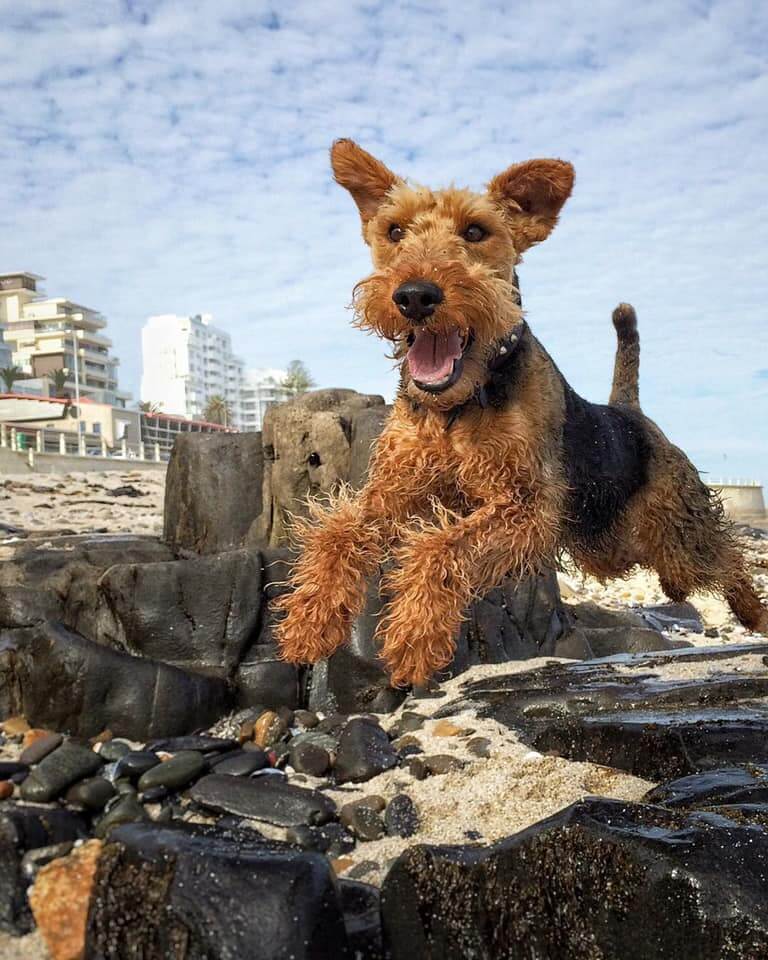

Owners must understand the hidden dangers of blue-green algae for dogs, especially during summer. A classic image of a South African summer is a dog joyfully leaping into a farm dam. While this seems harmless, it can lead to a medical emergency if the proper precautions are not taken.
Understanding the risk of toxic algae and dogs is critical for every owner. Blue-green algae are not algae at all but a type of bacteria called cyanobacteria. These bacteria can produce potent toxins that are incredibly dangerous and can be fatal to dogs.
A proactive approach to water safety is the only way to protect your dog. You can make informed decisions by learning to spot hazardous water and recognise poisoning signs. Your knowledge is the most powerful tool for keeping dogs safe from toxic water this summer.
Interesting Fact: Cyanobacteria are some of the oldest known life forms on Earth, with fossil records dating back more than 3.5 billion years. They play a vital role in ecosystems but can become dangerous when they form dense, toxic blooms.
Identifying the Threat of Toxic Algae
Knowing what you are looking for is the first and most important step. The danger is not always visible, but there are often clear warning signs.
What Makes Blue-Green Algae Toxic to Dogs?
Cyanobacteria are microscopic organisms found naturally in water. In hot, sunny weather and nutrient-rich, stagnant water, their populations can explode into a “bloom.” Some blooms produce neurotoxins and hepatotoxins. It is impossible to know if a bloom is toxic just by looking at it.
How to Spot Potentially Toxic Water
A contaminated body of water often looks unappealing. You might see a layer of green, blue-green, or brownish-red scum on the surface. The water may also appear thick, like pea soup, and have a foul, musty smell. Blooms can also form mats along the shoreline.
Addressing the Question: Is Dam Water Safe for Dogs?
Given the risks, the safest answer is to assume any stagnant, murky dam water could be dangerous. Clear, flowing rivers are generally a much safer option. If you have any doubt, do not allow your dog near the water.
Tip: Areas in South Africa like Hartbeespoort Dam are notorious for severe cyanobacteria blooms. Always pay attention to local news reports and municipal warnings about water quality in your area’s dams and lakes.
Recognising Symptoms of Algae Poisoning in Dogs
Cyanobacteria poisoning in dogs is a dire medical emergency. The symptoms depend on the type and amount of toxin ingested.
Rapid Neurological Signs of Algae Poisoning
If a dog ingests neurotoxins, signs can appear within minutes. Common symptoms of algae poisoning in dogs include drooling, muscle tremors, seizures, and difficulty breathing. Immediate veterinary intervention is critical for survival.
Liver Damage Caused by Toxic Algae
Hepatotoxins attack the liver, with symptoms appearing over hours or days. Signs include vomiting, diarrhoea, weakness, pale gums, and jaundice. Liver failure is often the outcome.
What to Do in a Poisoning Emergency
If you suspect exposure, treat it as a life-threatening emergency. Rinse him immediately with clean water to remove any algae from his coat. Do not induce vomiting. Call your veterinarian and transport him to the clinic without delay.
Interesting Fact: It takes a very small amount of toxic algae to be lethal. A dog can be poisoned by swallowing just a few mouthfuls of contaminated water, or even by licking the algae off his fur after a swim.
Prevention: The Only Way to Keep Dogs Safe
When it comes to the dangers of blue-green algae for dogs, prevention is the only effective strategy. The prognosis is often very poor once a dog is showing severe symptoms.
The Golden Rule for Keeping Dogs Safe from Toxic Water
A simple phrase should be your mantra all summer: “When in doubt, keep them out.” If water looks scummy, discoloured, or smelly, do not take the risk. Your dog’s life is not worth a quick swim.
Safer Swimming Alternatives to Dams
There are many other ways for your dog to cool down. Consider a shallow paddling pool in your garden. Many South African beaches are dog-friendly and a safer option. A run through the sprinklers can also be a source of great delight.
Post-Swim Rinsing for Added Safety
Rinsing your dog thoroughly with clean tap water after every swim is good practice. A proper rinse will wash off any potential irritants or unseen bacteria from his coat and paws. You can also use a gentle shampoo, like our natural Khakibos flea shampoo.
FAQs – Dangers of Blue-Green Algae for Dogs
How quickly will a dog show signs of poisoning? It can be incredibly fast. With neurotoxins, signs can appear within 15 minutes to an hour. With liver toxins, it may take a few hours to a few days.
Can a dog survive blue-green algae poisoning? Survival is possible but depends entirely on the type of toxin, the amount ingested, and the speed of veterinary treatment. Sadly, because of the potency of the toxins, it is often fatal.
Is all green stuff in ponds and lakes toxic? No. Many types of green algae and aquatic plants are harmless. However, it is impossible to distinguish between safe green algae and toxic cyanobacteria without laboratory testing, so the safest approach is to avoid it all.
What about water that looks clear? Even clear-looking water can contain toxins that have been released from a recent bloom. If you know a lake or dam has had a bloom recently, it is best to stay away for a week or two after the scum has disappeared.
Can I use a water filter to make dam water safe for my dog to drink? No. Standard camping water filters are not effective at removing cyanotoxins. Do not allow your dog to drink from any stagnant water source. Always carry fresh water for him.
Are fish in a contaminated dam safe to eat? No, you should not allow your dog to eat fish from a dam that has a suspected algae bloom, as the toxins can accumulate in the fish’s tissues.
Tip: Supporting your dog’s overall health with a balanced, nutrient-rich diet is the foundation of his wellbeing. Vondi’s holistic approach to pet nutrition ensures his body has the core strength it needs to thrive, season after season.
In Closing
The idyllic summer swim is a cherished activity for many South African dog owners, but it must be approached with caution and respect for the hidden dangers of our natural water bodies. Understanding the dangers of blue-green algae for dogs is not about creating fear, but about empowering you with the knowledge to make safe choices. By being vigilant, learning to recognise unsafe water, and always prioritising your dog’s safety over a momentary splash, you ensure that your summer adventures remain happy, healthy, and full of life.