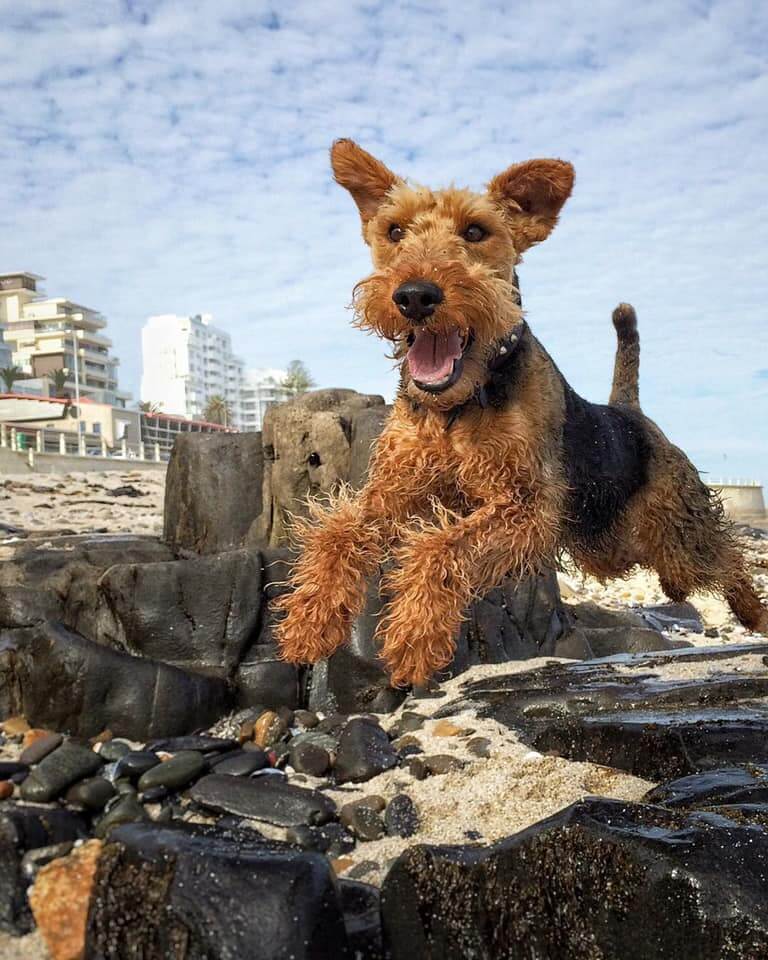

Prioritising senior dog joint health is fundamental to ensuring your ageing companion enjoys his golden years with comfort and mobility. Many owners notice their once-bouncy dog starting to slow down, struggling with stairs, or showing reluctance to play. Witnessing this decline can be disheartening, leaving one to wonder what can be done to alleviate his discomfort.
A proactive approach to joint care for older dogs can make a world of difference in their quality of life. The focus shifts from high-impact activity to gentle support, combining proper nutrition, appropriate exercise, and targeted supplementation. Understanding the underlying causes of joint deterioration empowers you to make informed decisions for his well-being. Consequently, these efforts help manage pain and preserve precious mobility.
Implementing a comprehensive management plan provides a clear path forward. You can effectively support your dog’s joints by recognising the subtle signs of pain and making practical adjustments to his daily routine. A comfortable, happy, and mobile senior dog is the direct result of dedicated and knowledgeable care.
Interesting Fact: A dog’s joints, particularly the hips and knees, bear the brunt of a lifetime of running, jumping, and playing. The cartilage that cushions these joints can wear down over time, much like the tread on a car’s tyres.
Understanding Joint Degeneration in Senior Dogs
Recognising the changes happening inside your dog’s body is the first step toward providing effective support. Joint issues are a common part of the ageing process for many dogs.
What is Arthritis in Senior Dogs?
Osteoarthritis is the most common form of arthritis in senior dogs. It is a degenerative joint disease characterised by the progressive loss of cartilage, the smooth tissue that cushions the ends of bones within a joint. As this cartilage wears away, bones can begin to rub against each other, causing pain, inflammation, and a decreased range of motion.
Common Causes and Contributing Factors
Age is the primary factor in the development of osteoarthritis. However, other elements can accelerate the condition. A dog’s breed and genetics play a significant role; larger breeds like Labradors and German Shepherds are particularly susceptible. Previous injuries, such as ligament tears or fractures, can also lead to arthritis later in life. Furthermore, excess body weight places constant, undue stress on the joints, hastening the degenerative process.
Tip: In South Africa, the varied terrain from the beaches of the Cape to the hills of Gauteng can be challenging for an older dog. Be mindful of where you walk him, opting for softer surfaces like grass over hard pavement whenever possible to reduce impact on his joints.
Recognising the Signs of Joint Pain
Dogs are masters at hiding their pain, a lingering instinct from their wild ancestors. Therefore, owners must become keen observers to notice the subtle signs of discomfort associated with poor joint health in senior dogs.
Behavioural Changes to Watch For
One of the first signs of managing joint pain in older dogs is a behaviour change. Your dog might become more hesitant to jump onto the couch or into the car. He may seem irritable or grumpy, especially when touched in a sensitive area. A general reluctance to play or a decreased enthusiasm for walks are also common indicators that he is feeling sore.
Physical Symptoms of Discomfort
Physical signs often become more apparent as the condition progresses. You might notice a stiffness in his gait, especially after he wakes up from a nap. He may limp or favour one leg over another. Some dogs will lick or chew at a painful joint persistently. In more advanced cases, muscle atrophy, or the wasting away of muscle mass in the affected limb, can occur due to disuse.
A Holistic Approach to Joint Care for Older Dogs
A multi-faceted strategy is the most effective way of improving mobility in old dogs. Combining several supportive measures provides comprehensive care.
The Role of Diet and Nutrition
Nutrition forms the foundation of good joint health. A diet rich in anti-inflammatory ingredients can help to reduce joint swelling and pain. Foods containing natural sources of omega-3 fatty acids, for instance, are highly beneficial. Ensuring his meals are easily digestible and packed with high-quality protein also helps maintain strong muscle mass to support the joints.
The Importance of Weight Management
Maintaining a lean body weight is arguably the single most important thing you can do for your dog’s joints. Every extra kilogram of weight exerts significant additional pressure on his hips, knees, and spine. A carefully portion-controlled diet, low in unnecessary carbohydrates, is crucial for preventing weight gain and easing the burden on his aging frame.
Exercise Modification for Comfort
Exercise remains important for senior dogs, but the type and intensity must be adjusted. Long, strenuous hikes should be replaced with shorter, more frequent walks on level ground. Gentle swimming is an excellent non-weight-bearing exercise that helps maintain muscle tone without stressing the joints. The key is to keep him moving, but comfortably.
Helpful Supplements for Aging Dogs’ Joints
Many owners turn to supplements for aging dogs’ joints to provide additional support. Ingredients like glucosamine and chondroitin are the building blocks of cartilage and can help to maintain its structure. Natural anti-inflammatories such as green-lipped mussel and turmeric can also be effective in reducing pain and inflammation, offering a gentle yet powerful way to support his comfort.
Interesting Fact: A study in The Veterinary Journal confirmed that dogs fed a diet supplemented with Omega-3 fatty acids showed significant improvement in their ability to rise from a resting position and walk, demonstrating the power of nutrition in managing arthritis.
FAQs – Senior Dog Joint Health
At what age is a dog considered “senior” and at risk for joint problems? Generally, smaller dogs are considered senior around age seven, while larger breeds may reach seniority as early as age five or six. The risk of joint problems increases significantly during these years.
Can arthritis in senior dogs be reversed? Unfortunately, osteoarthritis is a progressive disease and cannot be reversed. However, its progression can be slowed, and the associated pain and inflammation can be managed very effectively with a comprehensive care plan.
Is it better for my arthritic dog to rest completely? No, complete rest can lead to muscle wastage and increased stiffness. Gentle, consistent, low-impact exercise is vital for maintaining joint mobility and muscle strength, which helps to support the unstable joints.
How can I make my home more comfortable for him? Provide orthopaedic bedding with plenty of cushioning. Use non-slip rugs on slick floors to help him with traction. Ramps can be a great tool to help him get into the car or onto furniture without the pain of jumping.
Are human pain medications safe for dogs? Absolutely not. Never give your dog human pain relievers like ibuprofen or paracetamol, as they can be highly toxic to him. Always consult with your veterinarian for canine-safe pain management options.
What is the best food for a dog with joint issues? Look for a diet that is rich in high-quality protein, low in carbohydrates to manage weight, and fortified with natural anti-inflammatory ingredients like omega-3 fatty acids. A fresh, whole-food diet often provides the most bioavailable nutrients.
How do I know if the management plan is working? You should notice a gradual improvement in his mobility and a decrease in the signs of pain. He might seem more willing to go for walks, be more comfortable at rest, and have a brighter overall disposition.
Tip: Vondi’s is committed to using sustainable and ethically sourced ingredients, including green-lipped mussel from pristine waters, ensuring our joint-support products are as good for the planet as they are for your dog.
In Closing
Supporting your senior dog’s joint health is an act of profound love and commitment. It requires a shift in perspective from cure to management, focusing on providing comfort, preserving mobility, and ensuring a high quality of life. By understanding the nature of joint degeneration, recognising the subtle signs of pain, and implementing a holistic plan that includes proper diet, weight control, modified exercise, and targeted supplementation, you can effectively manage his condition. Your dedication ensures your loyal friend can navigate his later years with dignity and comfort.