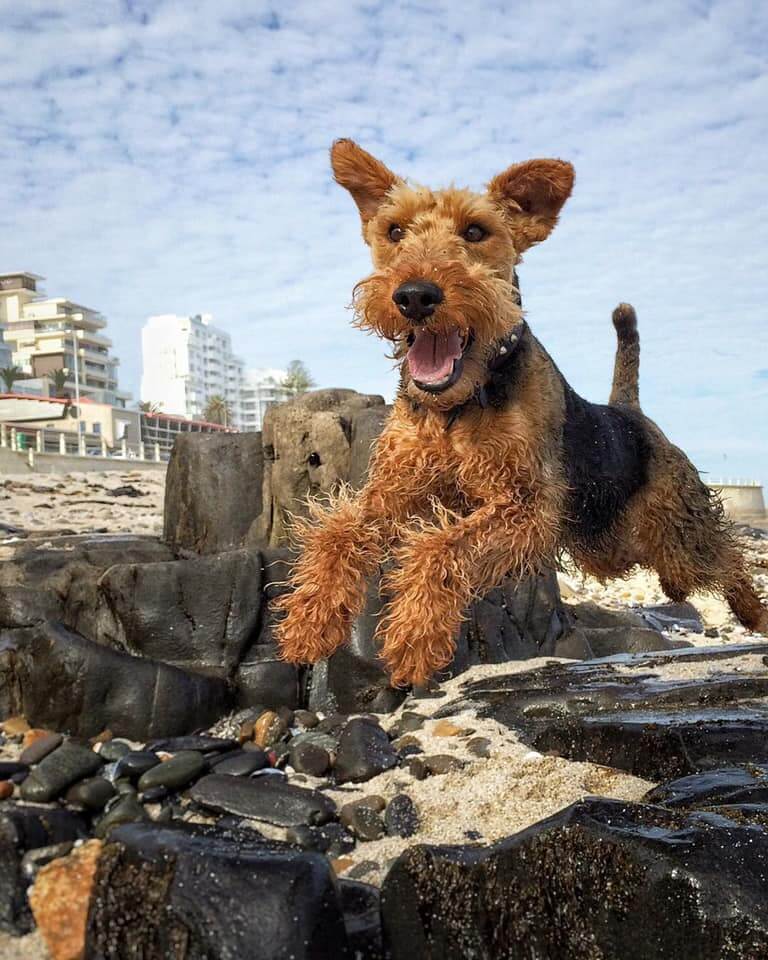

Often, aggression in dogs is misunderstood. Many assume an aggressive dog is “bad” or beyond help, but aggression is a response to specific triggers, underlying emotions, or past experiences. Like humans, dogs express themselves based on their environment, training, and socialisation.
Recognising the root causes of aggression is crucial for managing and preventing behavioural issues. Dogs may display aggression from fear, territorial instincts, pain, or past trauma.
Aggressive behaviours can often be reduced or eliminated when their needs are addressed with patience and proper training. By shifting the focus from blame to understanding, pet owners can create a safer, more trusting relationship with their dogs.
To offer you the best possible information, we consulted our expert source, “Canine Behavior: Insights and Answers,” by Bonnie V. G. Beaver.
What Causes Dog Aggression?
Aggression in dogs does not stem from a desire to be “mean” but from specific causes that can be identified and addressed. Understanding these causes is the first step toward prevention and training.
1. Fear-Based Aggression
When dogs feel threatened or trapped, they may respond aggressively to defend themselves. Fear aggression often occurs in rescue dogs, those who have experienced abuse, or dogs who lack proper socialisation. If a dog believes they have no escape, their instinct may be to fight rather than flee.
2. Territorial or Protective Aggression
Dogs are naturally protective of their home, family, and belongings. Some breeds have stronger guarding instincts, making them more prone to react aggressively when perceiving a threat. Proper socialisation and training help dogs differentiate between real threats and harmless interactions.
3. Pain-Induced Aggression
A dog in pain may lash out if touched in a sensitive area. That is common in older dogs suffering from arthritis or dogs recovering from injuries. It’s important to recognise changes in behaviour that may indicate discomfort and seek veterinary care when needed.
4. Frustration-Related Aggression
When dogs are restrained from something they desire, such as another dog, a person, or a favourite toy, they may react aggressively. It is called ‘redirected aggression’ because they may turn their frustration toward the nearest person or animal. For example, if a dog barks at a passing dog from a window and cannot reach them, it may redirect its frustration towards a family member in the room.
5. Social or Learned Aggression
Some dogs may develop aggressive behaviours due to past experiences or improper training. If aggression was previously rewarded (even unintentionally), they may continue using it to get what they want. Early training, exposure to various environments, and positive reinforcement can help prevent this.
Signs of Aggression in Dogs
Understanding early warning signs of aggression can prevent dangerous encounters. Dogs rarely attack without giving signals first. Learning these cues can help owners intervene before the situation escalates.
- Growling or Snarling: A warning that a dog feels threatened or uncomfortable.
- Baring Teeth: A sign that a dog is preparing to defend themselves.
- Stiff Body Language: A tense posture with raised hackles can indicate heightened alertness or fear.
- Hard staring: Prolonged eye contact can be a precursor to aggressive behaviour.
- Lunging or Snapping: A dog may attempt to scare away the perceived threat if it feels trapped or cornered.
Recognising these signs allows owners to de-escalate situations and redirect their dog’s focus before aggression fully manifests.
How to Prevent and Manage Aggressive Behavior
While aggression can seem alarming, most cases can be improved with the right approach. Owners who respond with patience, training, and awareness can help their dogs feel more secure and reduce aggressive tendencies.
1. Socialization from an Early Age
Early socialisation is a key tool in your arsenal as a dog owner. Puppies and young dogs should be exposed to various people, animals, and environments. This proactive approach helps them develop confidence and adaptability, reducing the likelihood of fear-based aggression later in life.
2. Positive Reinforcement Training
Positive reinforcement training is a powerful tool in your hands. By rewarding good behaviour with treats, praise, and play, you can encourage your dog to respond positively rather than aggressively. This approach, in contrast to punishment-based training, can often increase anxiety and worsen aggression.
3. Identifying Triggers
Every dog has unique triggers. Whether it’s loud noises, strangers, or specific handling techniques, understanding what causes distress allows owners to appropriately address and desensitise their dogs. For instance, a dog may become aggressive when a stranger approaches or their food bowl is touched while eating.
4. Providing Proper Exercise and Mental Stimulation
A bored or under-stimulated dog is more likely to develop behavioural issues. Regular walks, interactive toys, and training exercises engage their mind and body, reducing frustration-related aggression.
5. Seeking Professional Help When Needed
Some cases of aggression require expert guidance. Professional trainers or veterinary behaviourists can assess a dog’s specific needs and create a structured training plan to address problem behaviours safely. Vondi’s CBD products can serve as a great aid when dealing with dog aggression.
FAQs
- Are certain breeds naturally aggressive?
No breed is inherently aggressive, but some have stronger guarding or protective instincts. Training, socialisation, and environment play a larger role in behaviour than genetics alone.
- Can an aggressive dog ever be rehabilitated?
Many aggressive dogs can improve significantly with the right training, patience, and behaviour modification techniques. This might include desensitisation and counterconditioning, where the dog is gradually exposed to the trigger that causes aggression in a controlled and positive way, or teaching the dog alternative behaviours to perform when they feel threatened.
- Should I punish my dog for showing aggression?
No, punishment can increase fear and worsen aggression. Instead, focus on positive reinforcement and redirection techniques.
- What should I do if my dog growls at me?
Do not punish the growl—this is a warning sign. Instead, assess why your dog is uncomfortable and address the root cause.
- How do I introduce my aggressive dog to new people or pets?
Start with slow, controlled introductions in a neutral environment. Keep encounters short and positive, rewarding calm behaviour.
- Does neutering or spaying reduce aggression?
In some cases, neutering or spaying can reduce hormone-driven aggression, but it is not a guaranteed solution for all behavioural issues.
- Why does my dog suddenly show aggression?
Sudden aggression can indicate pain, illness, or fear. A vet check-up is essential to rule out medical causes.
- Can anxiety cause aggression in dogs?
Yes, anxious dogs may react aggressively when they feel overwhelmed or threatened.
- Are there medications for aggressive dogs?
In severe cases, vets may prescribe medication alongside behavioural training to help manage anxiety-driven aggression.
- Can a dog become aggressive due to past trauma?
Yes, dogs who have experienced abuse or neglect may develop fear-based aggression. Building trust through patience and consistency is key.
Conclusion
Aggression in dogs is not a sign of a “bad” dog—it is a response to specific circumstances, emotions, or past experiences. By understanding the root causes, recognising warning signs, and applying proper training techniques, pet owners can help their dogs feel more secure and reduce aggressive behaviours. A compassionate and informed approach leads to stronger, safer relationships, proving that with the right care, every dog has the potential to thrive.