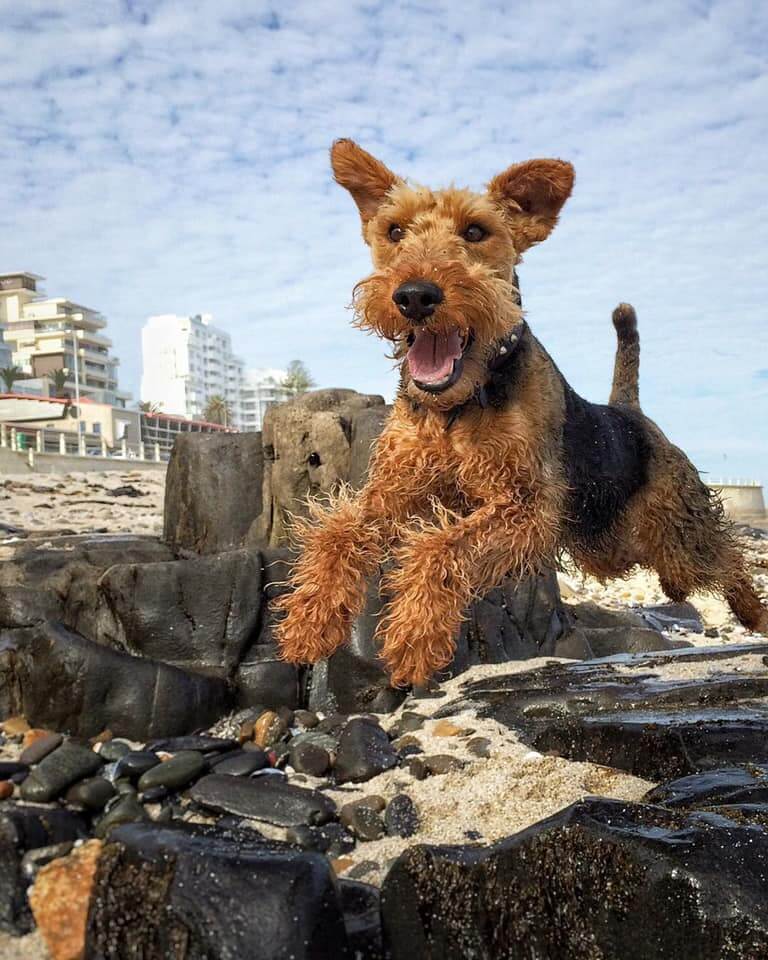

Exercise is crucial to puppies’ development and vital to their physical growth, mental stimulation, and overall well-being. Puppies are naturally energetic and curious, needing regular activity to build strength, coordination, and confidence. However, their growing bodies require careful attention to ensure they get the right balance of exercise without overexertion.
The type, duration, and intensity of physical activity should be tailored to their age, breed, and energy levels to support healthy development and prevent injury.
Finding the right exercise routine for a puppy involves more than just letting them run around. Structured play, gentle walks, and mentally stimulating activities contribute to a well-rounded exercise plan. Over-exercising a young puppy can harm their developing joints, while too little activity can lead to excess energy, restlessness, and potential behavioural issues.
By understanding a puppy’s exercise needs and adjusting routines as they grow, owners can help ensure a happy, healthy, and well-adjusted dog. To offer you the best possible information, we have consulted our expert source, “Exercising Your Puppy: A Gentle & Natural Approach,” by Elisabeth Pope.
How Much Exercise Does a Puppy Need?
The exercise a puppy needs depends on their age, breed, diet, and individual energy levels. A general guideline is the “5-minute rule,” which suggests five minutes of structured exercise per month of age, up to twice daily. For example:
- A two-month-old puppy: 10 minutes of exercise per session
- A four-month-old puppy: 20 minutes of exercise per session
- A six-month-old puppy: 30 minutes of exercise per session
While this guideline provides a baseline, individual puppies may require more or less activity depending on their breed and energy levels. High-energy breeds such as Border Collies and Labradors may need more mental stimulation and interactive play, whereas smaller or less active breeds like Bulldogs may tire more quickly. The type of exercise also impacts the ideal daily routine.
Types of Safe Exercise for Puppies
- Short Walks
Puppies benefit from short, gentle walks that allow them to explore their surroundings while building strength and endurance. Walks should be on soft surfaces like grass or dirt to reduce impact on developing joints. Avoid long or strenuous walks, especially on hard pavement.
- Interactive Play
Play sessions, such as fetch with soft toys, tug-of-war, or hide-and-seek, provide both physical exercise and mental stimulation. These activities also strengthen the bond between the puppy and their owner.
- Training Exercises
Basic obedience training, such as teaching sit, stay, and recall, engages a puppy’s mind while incorporating small bursts of movement. Training sessions can be an excellent way to provide structured activity while reinforcing good behaviour.
- Social Play with Other Puppies
Puppy playdates or supervised interactions at a reputable puppy class help puppies develop social skills while allowing them to burn energy. Play with other dogs should be closely monitored to prevent rough behaviour that could lead to injuries.
- Exploration and Mental Stimulation
Letting a puppy sniff and explore different environments is as important as physical exercise. Providing sensory experiences like puzzle toys, snuffle mats, and interactive feeders can help keep them engaged and mentally stimulated.
Exercises to Avoid for Puppies
- High-Impact Activities: Jumping from heights, running on hard surfaces, or excessive stair climbing can strain developing joints and lead to long-term problems.
- Forced Running or Jogging: Puppies should never be forced to run alongside a bike or jog long distances, as their bodies are not yet developed enough to handle prolonged impact.
- Overly Intense Play: Rough play with older dogs or excessive ball chasing can lead to injury or overstimulation, making it important to set boundaries during playtime.
Signs of Overexertion
It’s important to recognise when a puppy has had enough exercise. Signs of overexertion include:
- Excessive panting or difficulty breathing
- Limping or reluctance to move
- Lying down and refusing to continue playing or walking
- Sore muscles or stiffness the following day
- Extreme thirst or prolonged fatigue
If a puppy shows any of these signs, it’s best to allow them to rest and recover before engaging in further exercise.
Adjusting Exercise as Puppies Grow
As puppies grow, their exercise needs will change. Younger puppies may require more frequent but shorter bursts of activity, while older puppies can handle more structured exercise.
Monitoring their energy levels, paying attention to breed-specific needs, and adjusting routines will help them stay healthy and happy.
Providing the right type and amount of exercise is essential for a puppy’s development. By combining physical activity with mental stimulation and allowing adequate rest, owners can set their puppies up for a lifetime of good health and balanced energy.