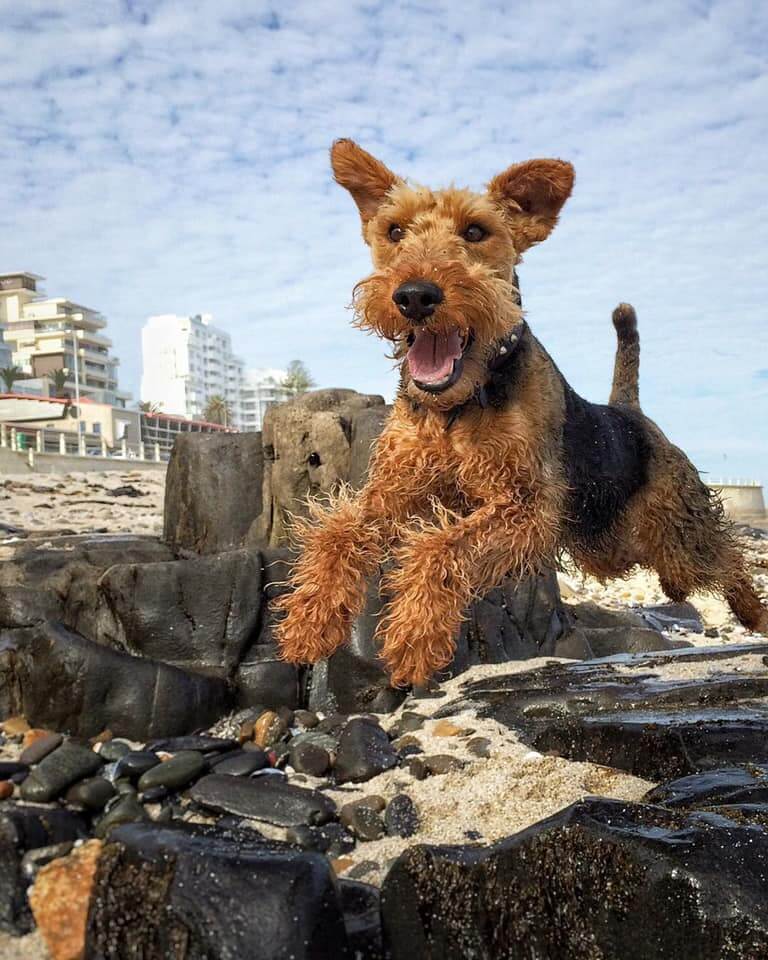

Your dog communicates primarily through body language, using a combination of facial expressions, body postures, and movements to convey their emotions and intentions. Every tail wag, ear position, and shift in posture tells a story about what a dog is feeling and how they respond to their environment.
Unlike humans, who communicate primarily through words, dogs depend on subtle physical cues to express excitement, fear, curiosity, or distress. A simple misinterpretation of these signals can lead to confusion, frustration, or unintended behavioural issues.
Recognising and correctly interpreting these physical cues is essential for strengthening the bond between dogs and their owners. It helps prevent misunderstandings that could lead to stress, anxiety, or even aggression.
A dog that feels seen and understood is likelier to be well-adjusted, confident, and comfortable in various situations. For example, a dog that stiffens their body and averts their gaze when meeting a new person may be signalling discomfort, yet many owners mistake this as shyness rather than unease.
By understanding these signals, people can respond appropriately and create a safer, more harmonious environment for their dogs.
Body language offers constant insight into a dog’s emotional state, whether interacting with family, encountering strangers, or exploring new environments. Reading these signs improves communication and enhances safety, trust, and overall well-being for dogs and humans.
To offer you the best possible information, we have consulted our expert source, “Canine Body Language: A Photographic Guide,” by Brenda Aloff.
Common Canine Body Language Signals
1. Tail Wagging
A wagging tail doesn’t always signify happiness. The position and movement of the tail provide insights into a dog’s emotional state:
- High and stiff wagging: When a dog holds their tail high and moves it in short, stiff wags, this often indicates alertness or agitation. It can signify that the dog feels dominant, excited, or even on edge, assessing a situation before reacting. If accompanied by raised hackles and a stiff posture, this may be a precursor to aggressive behaviour.
- Low and rapid wagging: A tail held low and wagged quickly can signal nervousness or submission. The dog may feel unsure or intimidated and is trying to communicate that they pose no threat. That is often seen when dogs greet someone they are uncertain about or when approaching another, more dominant dog.
- Loose, wide wagging: A relaxed tail that wags in broad, sweeping motions usually indicates happiness and friendliness. This classic “happy dog” wag suggests the dog is comfortable and open to social interaction. Pairing this with a loose, wiggly body confirms the dog’s positive mood.
To interpret a dog’s feelings accurately, it’s essential to consider the tail’s position and movement alongside other body signals. Their tale play’s a big role in your dog’s body language.
2. Ear Position
A dog’s ears are highly expressive and can reveal a lot about their emotions and intentions:
- Forward-facing ears: When a dog’s ears are perked up and facing forward, they are usually engaged, curious, or alert. They may be paying attention to something specific in their environment, such as an approaching person or an unfamiliar noise.
- Ears pulled back: Ears flattened against the head can indicate fear, anxiety, or submission. That is often seen in dogs feeling uneasy, intimidated, or trying to defuse a tense situation. Sometimes, it may also signal excitement, so checking other body cues is necessary.
- Neutral position: Ears neither forward nor flattened typically suggest that the dog is relaxed and content. A dog with neutral ears is comfortable with their surroundings and doesn’t perceive any immediate threats. Some breeds naturally have floppy ears, making it important to observe slight shifts in positioning.
Since different breeds have varying ear shapes, observing overall ear movement and other body language cues is important.
3. Eye Expressions
A dog’s eyes can reveal much about their emotional state and level of comfort:
- Soft, relaxed eyes: When a dog’s eyes appear gentle and slightly squinted, it signifies relaxation and contentment. This expression often accompanies a happy and calm demeanour, particularly during interactions with trusted humans.
- Wide-open eyes with visible whites (“whale eye”): If the whites of a dog’s eyes are visible, it often signals stress, anxiety, or fear. That is a common sign in dogs that feel trapped, uneasy, or unsure of a situation. For example, a dog guarding a resource, like food or a toy, may show a whale eye before escalating to defensive behaviour.
- Avoiding eye contact: A dog that looks away or avoids direct eye contact often tries to show submission or discomfort. In dog communication, direct staring can be seen as a challenge or threat, so avoidance is a way to diffuse tension. If accompanied by lip licking or a lowered body, it likely indicates the dog is feeling nervous or overwhelmed.
Observing their eyes in conjunction with your dog’s overall body language provides a deeper understanding of their emotions.
Enhancing Communication with Your Dog
- Observe and learn: Study your dog’s body language in different contexts. Recognising patterns in their behaviour allows for better understanding and communication. Watching how your dog reacts in various situations will help you more effectively anticipate their needs and emotions.
- Positive reinforcement: Reward calm and relaxed behaviour with praise, treats, or affection. That strengthens trust and encourages desirable responses in various situations. If a dog is fearful, forcing them into an uncomfortable situation can backfire—rewarding small signs of confidence is far more effective.
- Training and socialisation: Controlled introductions to new environments, people, and experiences help dogs build confidence and reduce anxiety. Gradual exposure to different scenarios teaches dogs to navigate the world more comfortably and reinforces positive associations.
- Respect their signals: Pay attention to when a dog is signalling discomfort and give them space if needed. Forcing interactions can lead to stress or defensive behaviour. If a dog is stiffening, turning away, or showing whale eye, it’s best to back off and allow them to approach at their own pace.
Developing an awareness of a dog’s body language fosters a stronger bond, enhances communication, and promotes a positive, trusting relationship. If your dog suffers from anxiety, their body language will offer several tells. Vondi’s CBD products are ideal for helping dogs with chronic anxiety.
In Closing
Decoding canine body language is an ongoing journey that enriches human and dog lives. By honouring this silent dialogue, we nurture happier, more confident dogs and build a shared language of trust that transforms everyday moments into meaningful connections.