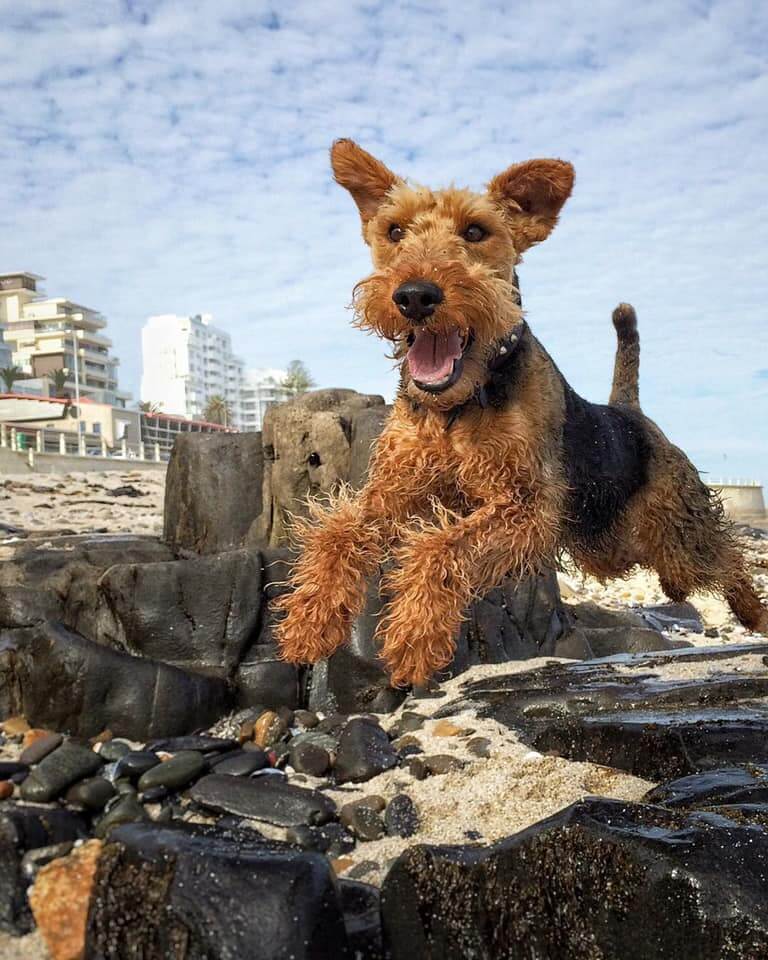

Caring for a tripawd can be a rewarding experience. Dogs are remarkably resilient creatures. When faced with challenges, they often adapt with incredible determination and joy. That is particularly true for dogs who have lost a limb due to injury, illness, or congenital conditions.
While they may have to adjust to a new way of moving, tripawd dogs can live long, happy, and active lives with the right care. As pet parents, we must ensure they remain strong, healthy, and pain-free.
Keeping a dog with a missing limb healthy involves a combination of proper nutrition, weight management, muscle strengthening, and overall joint care. Their remaining limbs work harder to compensate for the missing one, making balanced nutrition and careful exercise routines essential.
Pet owners should also be mindful of these dogs’ unique challenges, from potential arthritis to maintaining good posture and preventing muscle imbalances. With the right approach—supported by expert guidance and high-quality pet nutrition—your tripawd dog can thrive.
To offer you the best possible information, we have referenced several scientific studies and consulted our expert source, “Three Legs and a Spare, Essentials of the Canine Amputation Recovery and Care Handbook from Tripawds,” by Rene Agredano and Jim Nelson.
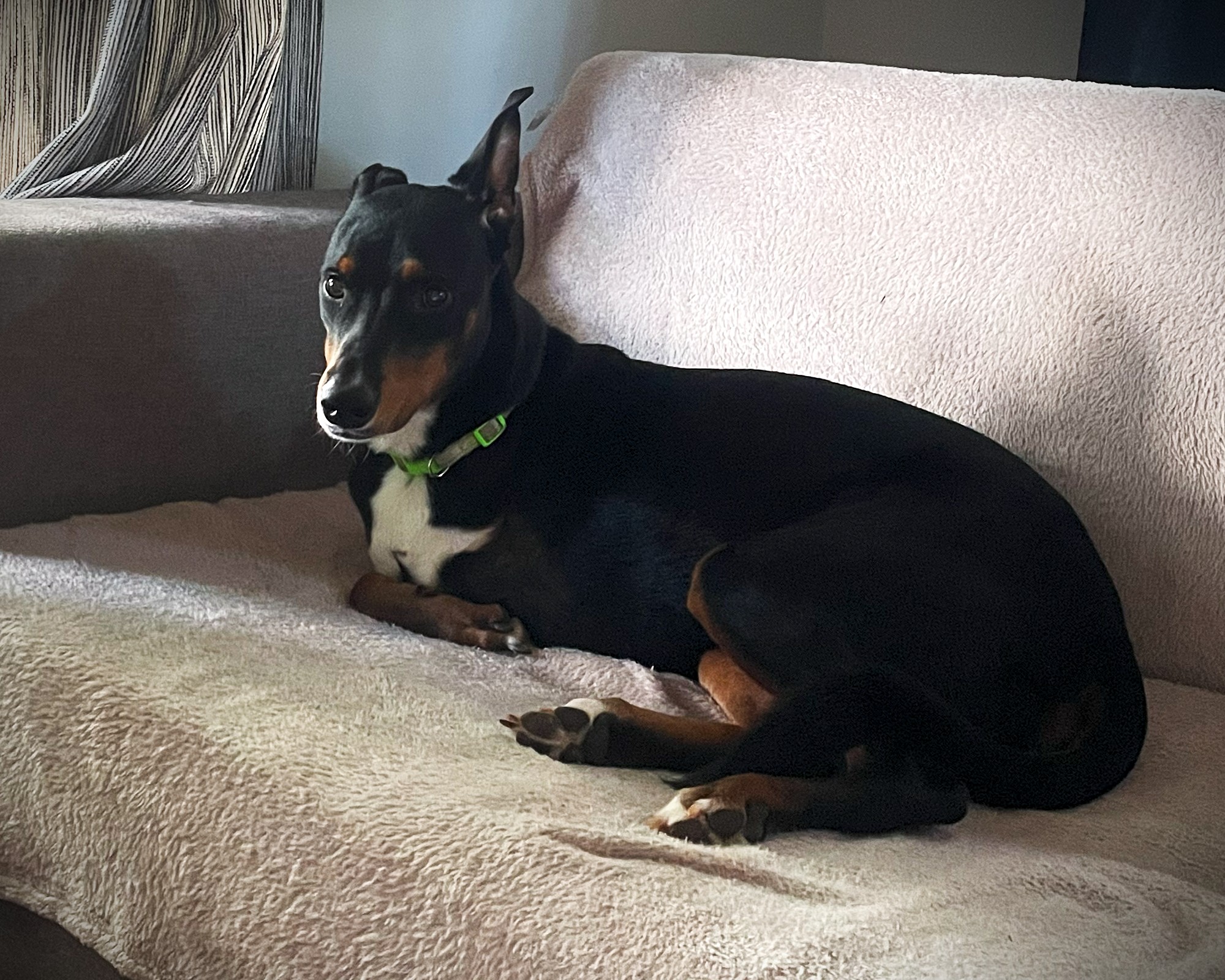
Weight Management: Keeping Extra Strain Off the Limbs When Caring for a Tripawd
Weight control is one of the most important factors in maintaining a tripawd dog’s health. With fewer limbs to support their body weight, extra kilos can put unnecessary strain on the remaining limbs and joints, leading to faster wear and tear.
Scientific studies, such as those published in the Journal of Veterinary Internal Medicine, highlight the risks of obesity in amputee dogs, showing that excess weight significantly increases the likelihood of joint problems and early arthritis.
A balanced diet is key to keeping your dog’s weight in check. Vondi’s Natural Pet Nutrition offers wholesome, preservative-free meals that provide optimal nutrition without unnecessary fillers contributing to weight gain. If your dog is prone to putting on weight, consider portion control and low-calorie options like Vondi’s weight-control meal plan.
Strengthening the Remaining Limbs and Core Muscles
Dogs with three legs rely heavily on their remaining limbs, making it crucial to keep those muscles strong and well-conditioned. Regular, controlled exercise helps maintain muscle mass and prevents imbalances leading to strain injuries.
Veterinary research has shown that hydrotherapy is particularly beneficial for tripawd dogs. It provides a low-impact way to build strength without stressing the joints.
Incorporating activities like controlled leash walks, gentle inclines, and swimming sessions can improve endurance and stability. Using balance cushions or wobble boards under supervision can also help strengthen their core and improve coordination.
Vondi’s Joint Health Biscuits, formulated with anti-inflammatory ingredients, can support joint health while they stay active.
Protecting Joint and Spinal Health When Caring for a Tripawd
Because a missing limb changes how a dog moves, tripawd dogs are at a higher risk for joint stress, spinal misalignment, and arthritis. A study in Veterinary Surgery found that amputee dogs often develop compensatory postural shifts, leading to increased strain on their spine and opposite limbs. Regular vet check-ups, physiotherapy, and chiropractic care can help detect and manage these issues early.
Natural supplements can also significantly contribute to maintaining joint health. Vondi’s Collagen for Dogs supports cartilage repair, while omega-rich oils help reduce inflammation. Orthopaedic bedding can further support the spine and joints by reducing pressure points during rest.
The Importance of Mental Stimulation and Emotional Well-being while Caring for a Tripawd
A dog’s mental and emotional health is as important as their physical health. Dogs who have recently undergone an amputation may experience temporary anxiety or frustration as they adjust to their new mobility. Engaging them in interactive play, training, and puzzle toys helps keep their mind active and reinforces confidence.
Vondi’s CBD Oil is an excellent option for dogs dealing with anxiety or post-surgical discomfort. Studies have shown that CBD can aid in pain relief and relaxation, making it a great holistic addition to their care routine. Providing reassurance, positive reinforcement, and gentle encouragement will help your dog feel secure and happy in their new lifestyle.
Avoiding Overexertion and Monitoring for Early Signs of Arthritis in a Tripawd
While tripawd dogs are often eager to run and play, they may not always recognise their limits. Overexertion can lead to joint pain, fatigue, and potential injuries. Monitoring their activity levels and ensuring they get enough rest between exercise sessions is important. Short, frequent walks are generally better than prolonged, strenuous activities.
Signs of arthritis, such as stiffness, reluctance to move, or limping, should never be ignored. Studies in Canine Orthopedics and Traumatology suggest early intervention with joint-supportive diets and supplements can significantly delay arthritis progression. Vondi’s Joint Health Biscuits and natural anti-inflammatory remedies can help support long-term mobility.
FAQs
- Can tripawd dogs live as long as four-legged dogs?
Yes! With proper care, exercise, and nutrition, a three-legged dog can live as long and happily as any other dog.
- How do I prevent my tripawd dog from developing joint problems?
Maintaining a healthy weight, using joint-supportive supplements, and engaging in low-impact exercise can help protect their joints.
- What’s the best type of exercise for a three-legged dog?
Hydrotherapy, leash walks, and balance training are excellent options. Avoid high-impact activities that put excessive strain on the remaining limbs.
- Should I change my dog’s diet after amputation?
A well-balanced diet prevents weight gain while supporting joint and muscle health. Vondi’s natural meals offer excellent nutritional benefits.
- Does my tripawd dog need special bedding?
Yes, orthopaedic bedding can help reduce pressure points and support the spine and joints.
- How do I help my dog adjust to life on three legs?
Encouragement, patience, and physical therapy can all help them adapt quickly and confidently.
- Can tripawd dogs participate in agility or sports?
Some can, depending on their fitness and conditioning. However, low-impact alternatives are generally better suited to their long-term health.
- What signs of pain should I watch for?
Limping, reluctance to move, stiffness, and vocalising during movement are all signs that should be addressed.
- Are supplements necessary for a tripawd dog?
Joint-supportive supplements like collagen and omega fatty acids are highly recommended to prevent early joint degeneration.
- What’s the most important thing I can do for my three-legged dog?
A balanced diet, appropriate exercise, and regular veterinary care will ensure they stay happy and healthy.
Closing Thoughts
Caring for a three-legged dog may present unique challenges, but with the right knowledge and support, they can live incredibly fulfilling lives. By focusing on weight management, joint health, mental well-being, and proper exercise, you can help your tripawd dog stay strong, pain-free, and active for years.
References
- Journal of Veterinary Internal Medicine – Study on Obesity and Joint Stress in Amputee Dogs.
- Veterinary Surgery – Research on Postural Shifts in Three-Legged Dogs.
- Canine Orthopedics and Traumatology – Study on Early Arthritis Prevention.
- CBD Benefits for Canine Pain Relief and Anxiety