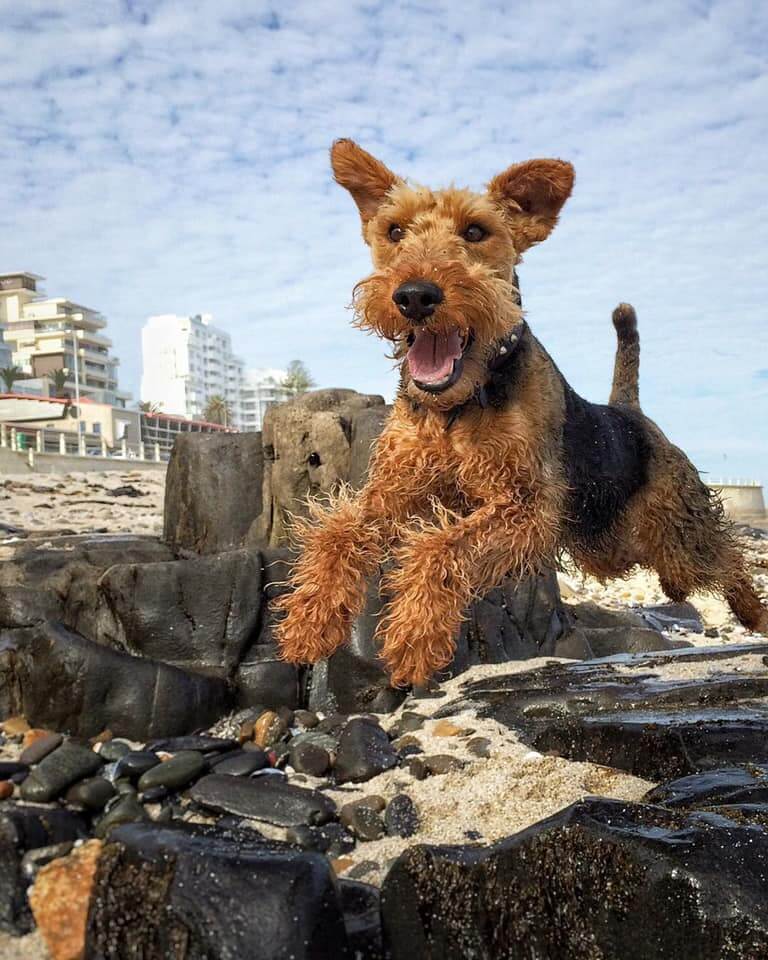

Winter can be a magical time of year, but it also brings challenges, especially for our furry friends. Ensuring your dog stays warm and comfortable during the cold months is crucial for their health and well-being.
Ensuring your dog stays warm and comfortable during the cold winter is essential for their health and well-being. Breed, size, age, and health affect a dog’s cold tolerance, requiring proper shelter, warm clothing, and nutritional adjustments.
To offer you the best possible information, we have consulted our expert source, “The Complete Book of Dog Health The Animal Medical Center,” by William J. Kay.
Understanding Your Dog’s Needs in Winter: A Responsible Approach
Different dog breeds have varying tolerance levels to cold weather. For instance, Siberian Huskies thrive in cold climates, thanks to their thick double coat, while Chihuahuas and other small breeds may struggle with even mild cold. Regardless of the breed, all dogs need protection against the cold. Here’s how you can ensure they are well taken care of.
Factors Affecting Cold Tolerance
- Breed and Coat Type: Dogs with thicker, double-layered coats are naturally more insulated against the cold. In contrast, dogs with thin or single-layer coats need extra protection.
- Size: Smaller dogs lose body heat faster than larger dogs, so they need more insulation in cold weather.
- Age and Health: Puppies, older dogs, and those with arthritis are more susceptible to the cold and need additional care.
- Activity Level: Active dogs generate more body heat and can handle the cold better than inactive ones.
Providing Proper Shelter: Ensuring Your Dog’s Comfort and Security
A warm, dry shelter is essential for outdoor dogs. Even if your dog stays indoors most of the time, having a cosy spot for them to rest is important.
Outdoor Dog Houses
- Insulation: Ensure the dog house is well-insulated. Line the walls and floor with trials like foam or straw insulation. Keep the dog house elevated to prevent moisture from seeping in and provide better insulation.
- Bedding: Use warm bedding materials like straw or blankets. Regularly check and replace damp or soiled bedding.
- Entrance Cover: Cover the entrance with a plastic flap or heavy fabric to prevent cold air from entering.
Indoor Spaces
- Warm Bed: Provide a comfortable, elevated bed with warm blankets.
- Heating Pads: Use heating pads specifically designed for pets, ensuring they have a thermostat and are safe for use.
- Draft-Free Areas: Protect your dog’s bed from drafty windows or doors.
Dressing Your Dog for the Cold: A Proactive and Caring Approach
Clothing can help keep your dog warm during outdoor activities in the winter.
- Sweaters and Coats: Invest in well-fitting sweaters and coats. Look for materials like wool or fleece for maximum warmth.
- Booties: Booties protect your dog’s paws from cold surfaces, ice, and salt and prevent cracking and dryness.
- Waterproof Gear: Waterproof jackets are essential for wet snow or rain, keeping your dog dry and warm.
Tips for Dressing Your Dog
- Proper Fit: Ensure the clothing fits well but is not too tight. It should cover the neck, belly, and back without restricting movement.
- Acclimatisation: Some dogs may not take to clothing immediately. Gradually acclimate them by letting them wear the clothing for short periods indoors.
- Monitoring: Always monitor your dog when it is wearing clothing. Ensure it is comfortable and not overheating. Signs of discomfort can include excessive panting, restlessness, or trying to remove the clothing.
Exercise and Outdoor Activities
Exercise is essential for your dog’s health, even in winter. However, special precautions are necessary to ensure they remain safe and warm.
Safe Winter Exercise Tips
- Shorter Walks: To prevent prolonged exposure to the cold, opt for shorter, more frequent walks.
- Paw Care: After walks, check your dog’s paws for signs of ice or salt accumulation. Use paw balm to prevent cracking.
- Indoor Activities: To keep your dog active, engage in indoor activities like playing fetch or puzzle toys. Mental stimulation is as important as physical exercise for your dog’s well-being.
- Weather Conditions: Avoid walks during extreme weather conditions. Be mindful of wind chill and wet snow, which can quickly lower body temperature.
Health and Grooming
Maintaining your dog’s health and grooming routine is essential in winter.
Regular Vet Check-Ups
- Health Monitoring: Winter can exacerbate certain health conditions, like arthritis. Regular vet check-ups ensure your dog is healthy and any issues are promptly addressed.
- Vaccinations: Keep your dog’s vaccinations current, as colder weather can increase the risk of respiratory infections.
Grooming Tips
- Drying: Always dry your dog thoroughly after baths or wet walks to prevent chilling.
- Brushing: Regular brushing removes dead hair and stimulates the skin, promoting a healthy coat.
- Bathing: Bathe your dog less frequently in winter to preserve natural oils in their coat. Use a moisturising shampoo to prevent dry skin.
Common Winter Hazards
Winter brings specific hazards that can affect your dog’s health. Being aware of these can help you protect your furry friend.
Antifreeze Poisoning
- Toxicity: Antifreeze is highly toxic to dogs. Keep it out of reach and clean up any spills immediately.
- Symptoms: Symptoms of antifreeze poisoning include vomiting, lethargy, and seizures. If you suspect poisoning, seek veterinary care immediately.
Frostbite and Hypothermia
- Frostbite: Frostbite commonly affects the ears, tail, and paws. Signs include pale, hard skin that may become swollen or red.
- Hypothermia: Symptoms of hypothermia include shivering, lethargy, and shallow breathing. Seek immediate veterinary care if you suspect hypothermia.
Ice and Snow
- Slipping: Ice can cause slipping injuries. Use pet-safe ice melt on walkways.
- Snowballs: Snow can clump in your dog’s fur, especially between the toes. Remove these promptly to prevent discomfort and frostbite.
FAQs
How cold is too cold for my dog?
The temperature at which your dog becomes too cold depends on its breed, size, age, and health. Brief exposure to temperatures below 0°C can be dangerous for small or thin-coated dogs, while temperatures below -6°C are a concern for any exposure.
Should I trim my dog’s coat in winter?
Avoid trimming your dog’s coat too short in winter. The coat provides natural insulation. Regular brushing is more important to remove mats and tangles, which can reduce the coat’s insulating properties.
How can I tell if my dog is too cold?
Signs that your dog is too cold include shivering, whining, slow movements, lifting paws off the ground, and burrowing into warm areas. If you notice these signs, bring your dog indoors and warm them up gradually.
Can dogs get colds or the flu in winter?
Dogs can suffer from respiratory infections similar to colds or the flu in humans. Ensure they are vaccinated against common illnesses, and consult your vet if your dog shows symptoms like coughing, sneezing, or nasal discharge.
Is it safe to leave my dog outside in winter?
It’s generally unsafe to leave your dog outside for extended periods in winter, especially in freezing temperatures. If your dog must be outdoors, ensure it has a warm, insulated shelter.
Should I change my dog’s diet in winter?
Active dogs may need more calories in winter to maintain body heat. Consult your vet for dietary recommendations. Ensure your dog has access to fresh water to stay hydrated.
What should I do if my dog gets frostbite?
If you suspect your dog has frostbite, move them to a warm place and wrap the affected areas in warm (not hot) towels. Seek immediate veterinary care for proper treatment.
Are there any indoor exercises I can do with my dog in winter?
There are many indoor activities to keep your dog active, such as playing fetch, using puzzle toys, and engaging in training exercises. Indoor agility courses can also provide mental and physical stimulation.
How can I keep my dog entertained indoors during winter?
Provide a variety of toys, such as chew toys, puzzle toys, and interactive toys. Rotate toys to keep your dog interested. Engage in training sessions and play games like hide and seek to keep them mentally stimulated.
Conclusion
Keeping your dog warm and safe during the cold winter is essential for their health and happiness. You can ensure your furry friend stays comfortable all season long by providing proper shelter, dressing them appropriately, maintaining their nutrition and hydration, and being aware of winter hazards.